Bang Bang You're Dead
2003
No user ratings available yet
Representation score: 6.6 out of 10
Representation Score
Fair
1997
RDirector
Kevin Reynolds
Runtime
119 minutes
Average Rating
No ratings yetNew Showbiz Analysis
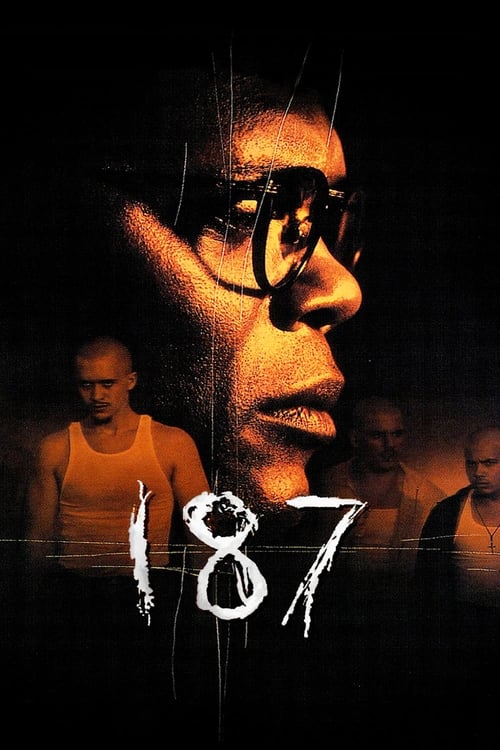
One Eight Seven is a gritty urban drama that challenges the typical white-centric lens by centering a Black protagonist in a predominantly Indigenous Latin American setting. However, the film is limited by its narrow focus on masculine dynamics and the absence of LGBTQ+ representation. The portrayal of psychological trauma serves the plot more than it explores disability. Overall, the film offers a critical look at systemic failures, presenting social institutions as ineffective and characters as products of their socioeconomic environments.
Category Breakdown
The film adheres to a strictly heterosexual and cisgender perspective, with no representation or critique of LGBTQ+ identities.
The story focuses on a traditional male-dominated hierarchy, where women play minor roles and have little influence over the central conflicts.
The film stands out by featuring a Black protagonist in a predominantly Indigenous Latin American setting, highlighting socioeconomic tensions.
The narrative critiques Western institutions, depicting them as failing systems. Gang members are portrayed as victims of broken socioeconomic environments.
The film uses psychological trauma to drive the protagonist's journey, focusing more on his descent than on exploring neurodivergence.
Present on Screen
Limited or Absent
Official Synopsis
When a Brooklyn high school student writes the police code for homicide, 187, inside a textbook owned by teacher Trevor Garfield, Garfield feels threatened. The principal dismisses the incident, but the same student stabs Trevor soon after. Fifteen months later, a physically and emotionally scarred Trevor relocates to California and takes up substitute teaching. To his dismay, his new school is as full of dangerously undisciplined students as his old one—including four Latin Americans and a European American claiming membership in tagging gang K.O.S. (Kappin' Off Suckers)—driving him over the edge.
2003
1955

1989
1982

1995
1987

2016

2018
No reviews yet. Be the first to share your thoughts on this movie!
Use the rating form above to leave a star rating and optional review.