
Maa Tujhhe Salaam
2002
No user ratings available yet
Representation score: 2.1 out of 10
Representation Score
Minimal
2003
Director
Guddu Dhanoa
Runtime
0 minutes
Average Rating
No ratings yetNew Showbiz Analysis
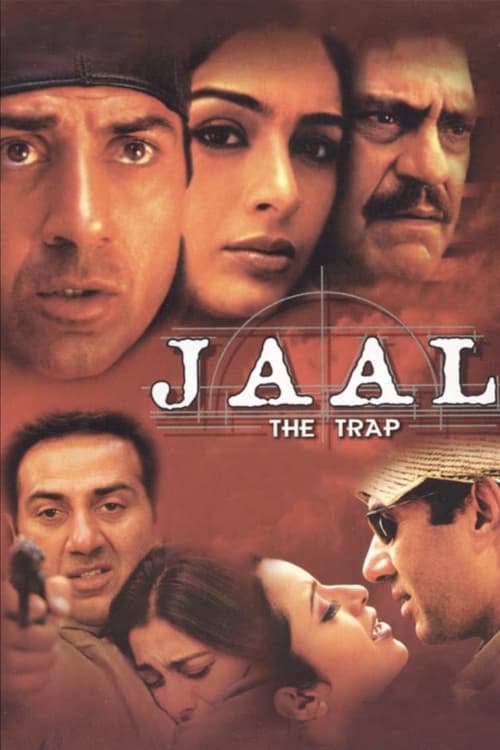
Jaal: The Trap is a typical early-2000s Bollywood action-drama that prioritizes commercial clichés over social complexity. The film centers on a traditional hero narrative, focusing on nationalistic themes and physical conflict rather than multi-dimensional depictions of identity. While the setting allows for regional and ethnic representation through the Kashmiri conflict, the characterizations rely on binary archetypes. This approach favors clear-cut morality over nuanced identities. Ultimately, the film reinforces existing social and gender hierarchies. It functions as a standard genre piece that adheres to the established cinematic norms of its era, offering little subversion of systemic power dynamics.
Category Breakdown
The film operates within a traditional framework that assumes everyone is straight or cisgender. There are no LGBTQ+ characters or narratives that question established social norms.
The narrative emphasizes masculine leadership and physical strength through its male protagonist. Female roles are often secondary or supportive.
The focus on the Kashmiri conflict provides a platform for ethnic representation. However, the film uses simplified hero-versus-antagonist archetypes.
The story highlights themes of national security and state authority. It follows a conventional moral structure without challenging established norms.
There is no evidence of characters with physical or neurodivergent disabilities.
Present on Screen
Limited or Absent
Official Synopsis
Sunny Deol battles terrorists from Kashmir; from director Guddu Dhanoa.
2002

1999
2002

2019
2009

2002

1996
2013
No reviews yet. Be the first to share your thoughts on this movie!
Use the rating form above to leave a star rating and optional review.