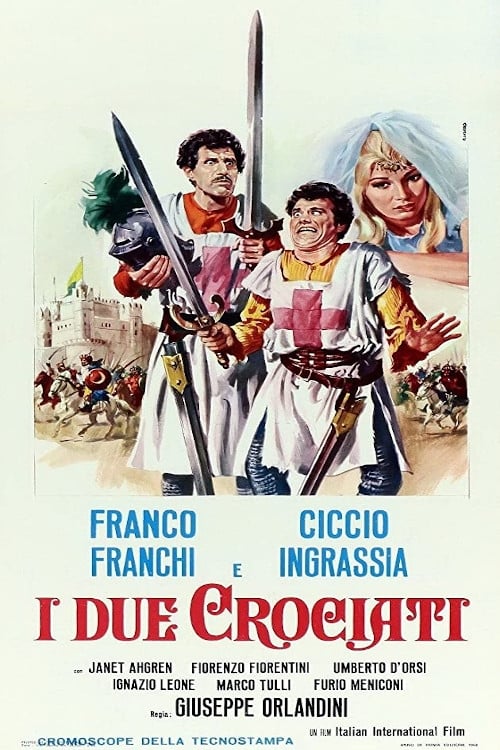
I due Crociati
1968
No user ratings available yet
Representation score: 2.0 out of 10
Representation Score
Minimal
1972
Director
Bruno Corbucci
Runtime
0 minutes
Average Rating
No ratings yetNew Showbiz Analysis
The film is a conventional period comedy that adheres to the social and institutional norms of its medieval setting. It uses a standard quest structure involving chivalry and religious pilgrimage. Instead of challenging broader societal structures, the narrative reinforces traditional hierarchies. The focus on the Papacy and the Crusades keeps the story within established Western historical frameworks. Ultimately, the film operates through standard genre clichés, prioritizing slapstick humor and traditional romantic pursuits over diverse or subversive storytelling.
Category Breakdown
The film follows a traditional romantic storyline where the central conflict is about winning a woman's hand in marriage.
Gender roles are portrayed in a strict hierarchy. Leonza is presented as a prize to be won through combat, reflecting traditional views of women.
The setting focuses on Western European and Mediterranean contexts. The narrative framework suggests a homogeneous environment typical of period comedies from this era.
The plot emphasizes traditional religious and institutional hierarchies. It centers on the authority of the Pope, the Bishop, and the sanctity of relics.
There is no mention of characters with visible or invisible disabilities within the narrative.
Present on Screen
Limited or Absent
Official Synopsis
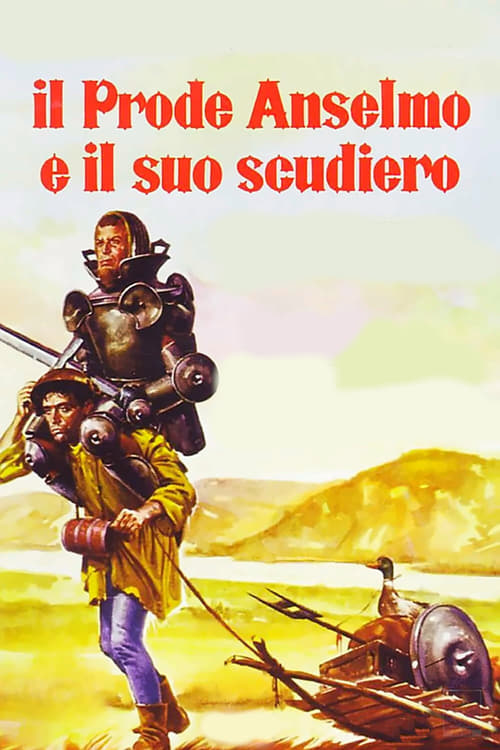
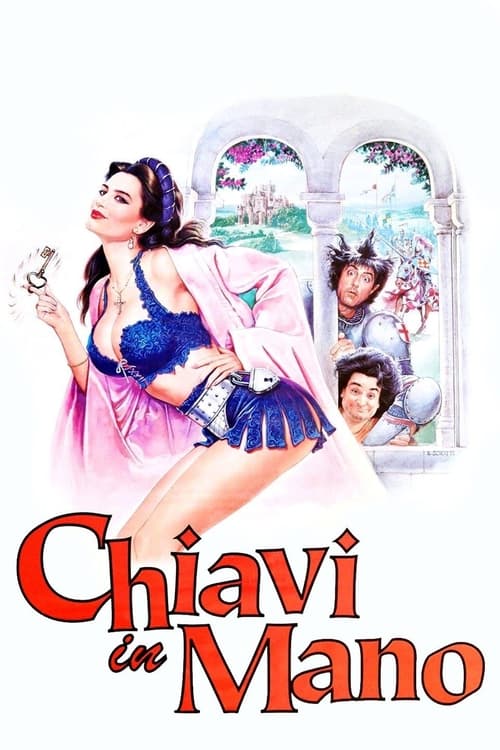
After having challenged the German Ottone to single combat for the hand of Leonza, the bishop's niece, the valiant knight Anselmo da Montebello, leaves for Rome where he must deliver a precious relic to the Pope and obtain a sum of twenty-thousand crowns in order to participate in the third crusade in the Holy Land. He is accompanied by Gian Puccio, his sluggish squire, drawn by the money and by the charm of ... Leonzia.
1968

1966
1970

1964
1967
1974
1996

1993
No reviews yet. Be the first to share your thoughts on this movie!
Use the rating form above to leave a star rating and optional review.