
History of the World: Part I
1981
No user ratings available yet
Representation score: 5.5 out of 10
Representation Score
Fair
1993
PG-13Director
Mel Brooks
Runtime
104 minutes
Average Rating
No ratings yetNew Showbiz Analysis
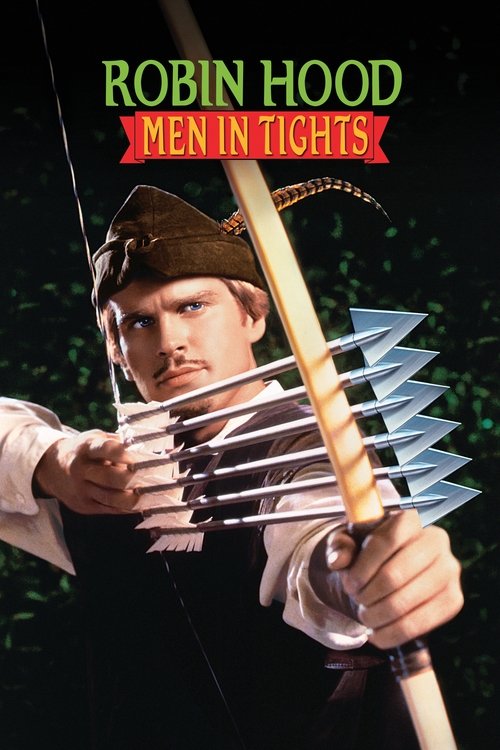
Mel Brooks' parody prioritizes the subversion of authoritative structures over modern identity politics. The film's strength lies in its systemic deconstruction of heroic clichés and its mockery of corrupt institutions like the monarchy. However, the work remains limited by a reliance on traditional heterosexual romantic arcs and a homogeneous cast. It lacks intentional diverse casting, keeping demographic diversity scores low. Ultimately, the film functions as a postmodern critique of genre conventions rather than a vehicle for demographic representation.
Category Breakdown
The film follows traditional structures centered around heterosexual relationships. There is no visible same-sex intimacy or non-straight identities. The plot focuses on Robin Hood's pursuit of Maid Marian.
Maid Marian breaks the damsel in distress stereotype by showing frustration and taking an active role. The film passes the Bechdel test, but humor often leans on exaggerated stereotypes.
The cast is mostly homogeneous, reflecting a traditional medieval setting. The film does not use race-bent casting or intentional diversity to challenge the era's social constraints.
The narrative critiques class-based oppression and corrupt monarchical rule through buffoonish villains. It uses postmodern irony to challenge the sanctity of traditional authority and historical grand narratives.
Disability is not a central theme. Slapstick humor is a primary driver, but there is no significant portrayal of neurodivergence or physical disability as a means of character's ability to drive the story.
Present on Screen
Limited or Absent
Official Synopsis
Robin Hood comes home after fighting in the Crusades to learn that the noble King Richard is in exile and that the despotic King John now rules England, with the help of the Sheriff of Rottingham. Robin Hood assembles a band of fellow patriots to do battle with King John and the Sheriff.
1981
1965
1991

1952
2001
1955

2019
1976
No reviews yet. Be the first to share your thoughts on this movie!
Use the rating form above to leave a star rating and optional review.