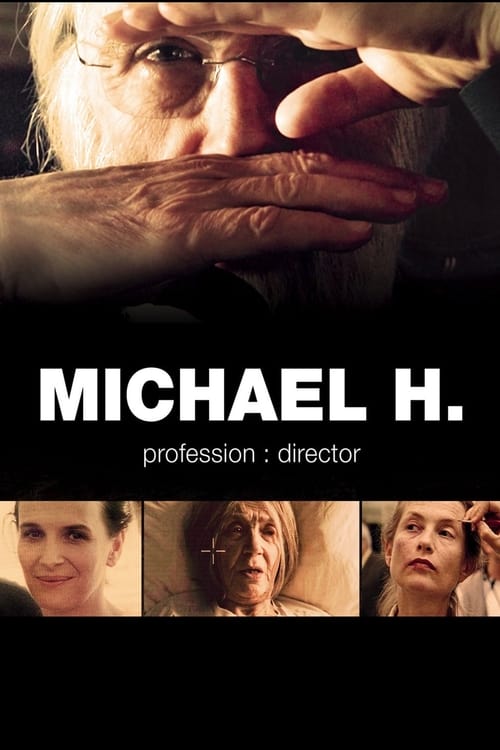
Michael H. – Profession: Director
2013
No user ratings available yet
Representation score: 5.6 out of 10
Representation Score
Good
2022
Director
Marie-Ève de Grave
Runtime
52 minutes
Average Rating
No ratings yetNew Showbiz Analysis
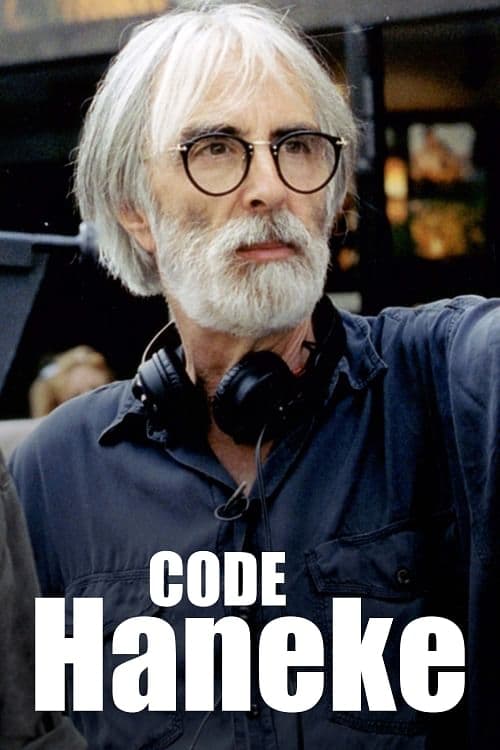
Code Haneke is an intellectually rigorous documentary that prioritizes cinematic analysis over demographic representation. It provides a platform for female perspectives through its direction and collaborative interviews, offering a sophisticated critique of social hierarchies. However, the film remains limited by its narrow focus on European social structures and the technical 'code' of Haneke's filmmaking. It lacks explicit representation of racial, LGBTQ+, or disability identities, functioning more as a philosophical study than a narrative vehicle for diverse lived experiences. Ultimately, the work is a specialized look at high-concept cinema. It challenges traditionalist sentiments and Western stability, but its documentary format naturally limits its capacity for broad demographic inclusivity.
Category Breakdown
The documentary focuses on Michael Haneke's filmmaking methods rather than identity-driven stories. Explicit LGBTQ+ character arcs are not a main feature of this study.
Marie-Ève de Grave’s direction and the involvement of female collaborators offer important perspectives. The film looks at Haneke's critique of masculine authority and gender power dynamics in his work.
The film centers on European social structures and Western modernity. It lacks a non-Anglo-Saxon majority cast or a focus on multi-layered racial narratives.
The documentary excels by exploring the deconstruction of Western institutional stability. It prioritizes intellectual skepticism and critiques the perceived safety of modern social orders.
There is no explicit evidence of neurodivergence or physical disability representation. The film prioritizes analyzing directorial technique over the portrayal of specific disability identities.
Present on Screen
Limited or Absent
Official Synopsis
Features interviews with two-time Palme d'Or winner Michael Haneke and his key collaborators, alongside excerpts from his films.
2013
2008

2012
2003
1990
2016
2018

2004
No reviews yet. Be the first to share your thoughts on this movie!
Use the rating form above to leave a star rating and optional review.