You Have to Come and See It
2022
No user ratings available yet
Representation score: 5.6 out of 10
Representation Score
Good
2013
Director
Juan Cavestany
Runtime
78 minutes
Average Rating
No ratings yetNew Showbiz Analysis
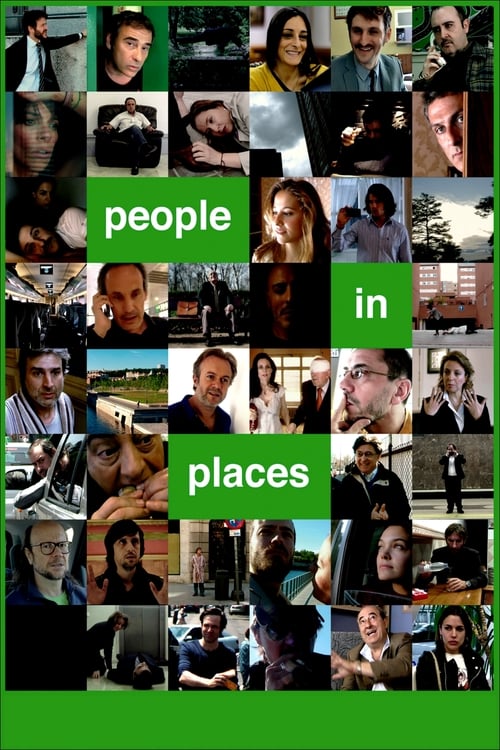
People in Places is a postmodern, episodic exploration of the human condition that prioritizes existential inquiry over traditional storytelling. Its strength lies in its narrative structure, which uses surrealism to break down stable social hierarchies and predictable moral arcs. However, the film lacks high-density demographic representation. While it challenges social norms through chaos and absurdity, it does not actively center diverse identities or provide specific platforms for neurodivergent or disabled characters. Ultimately, the work is a stylistic subversion of Western norms. It succeeds in deconstructing the idea of a cohesive social fabric, even if it remains a localized study of the Spanish landscape.
Category Breakdown
The film focuses on the absurdity of human interactions and avoids reinforcing typical heterosexual relationships. While there are no explicit LGBTQ+ storylines, the film's rejection of traditional romance structures helps avoid reinforcing common assumptions about straight relationships.
The characters are placed in surreal situations that make traditional gender roles seem ineffective or absurd. The narrative challenges conventional gender roles without focusing specifically on gender-driven dominance.
Set in a rural Spanish landscape, the film casts actors reflecting the local demographics. The film operates as a localized study rather than using intentional casting to challenge the status quo with diverse representations.
The film challenges a singular, objective morality by showing characters making ethically ambiguous decisions. It highlights the absurdity of social structures and the breakdown of traditional logic.
There are no significant characters with visible or invisible disabilities serving as central figures. The film's focus on general human oddities does not provide a dedicated platform for disability representation.
Present on Screen
Limited or Absent
Official Synopsis
A fragmented view of contemporary Spain, drawing conclusions about the persistence of the human condition, strangeness, and the chaos within relationships.
2022
2008

2011

1999
2003

2017
2012
2006
No reviews yet. Be the first to share your thoughts on this movie!
Use the rating form above to leave a star rating and optional review.