
My Bebe Love: #KiligPaMore
2015
No user ratings available yet
Representation score: 3.3 out of 10
Representation Score
Limited
1998
TV-PGDirector
Jerry Lopez Sineneng
Runtime
105 minutes
Average Rating
No ratings yetNew Showbiz Analysis
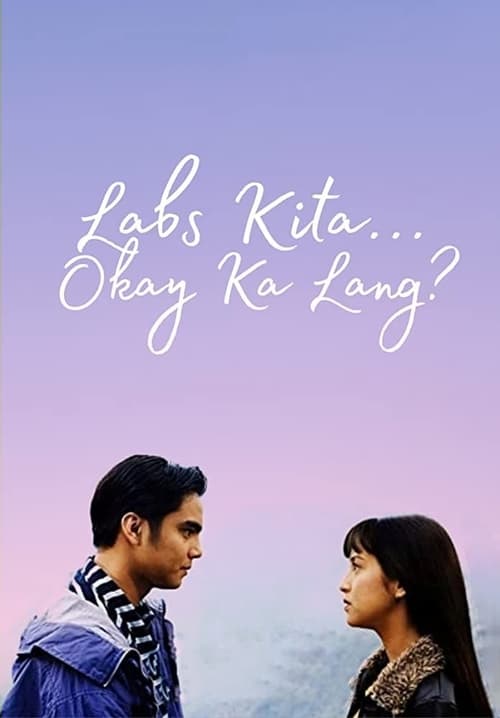
Labs Kita...Okey Ka Lang? is a quintessential late-90s Philippine romantic comedy that prioritizes interpersonal emotional journeys over social subversion. The narrative relies heavily on established romantic clichés and traditional familial tensions. While the film offers a localized cultural perspective with Filipino characters and settings, it does not challenge existing social hierarchies. The focus remains on personal reconciliation and the struggle between passion and financial stability. Ultimately, the film operates within a standard framework that assumes everyone is straight or cisgender, without intentional representation of LGBTQ+ identities or disruption of traditional gender roles.
Category Breakdown
The film follows a conventional structure centered around heterosexual relationships and established male-female pairings, with no representation of non-traditional gender identities.
Bujoy is defined through her emotional vulnerability and romantic longing for a male lead. Although she expresses ability to act through her art, her character development remains tied to traditional gender roles and emotional labor.
The production features a predominantly Filipino cast and setting, providing a non-Western narrative space. However, it remains culturally homogeneous without blending different racial backgrounds.
The story explores the tension between personal passion and familial pragmatic survival, emphasizing traditional emotional and familial values without challenging broader societal structures.
There are no visible or invisible disabilities portrayed as central to the characters' identities or the plot progression.
Present on Screen
Limited or Absent
Official Synopsis
Bujoy and Ned are childhood best friends. They stick with each other like a family. However, as time goes by Bujoy fell in love with Ned, who she thinks is the only person who accepts her imperfections that even her own family does not accept. Bujoy’s hobby which is clay sculpture is all dedicated for Ned. Ned, on the other hand finds inspiration in songwriting, to which he dedicates to the girl of his dreams, Marry Anne. Ned inherited his passion for music from his father Canor, who is a frustrated musician. However his mother Cora thinks that music will not help with their financial constraints. As Ned and Marry Anne became a couple, Bujoy started going out with Cenon, the newest member of Ned’s band.
2015

2010

2013

2003

2010
1998

2008
2017
No reviews yet. Be the first to share your thoughts on this movie!
Use the rating form above to leave a star rating and optional review.