
You with Me
2017
No user ratings available yet
Representation score: 2.7 out of 10
Representation Score
Good
2017
Director
Giselle Andres
Runtime
108 minutes
Average Rating
No ratings yetNew Showbiz Analysis
Loving in Tandem stands out as a progressive romantic comedy that centers on queer and non-white identities. By placing a same-sex relationship at the heart of the story, the film challenges traditional heterosexual expectations and avoids including someone from a minority group without giving them real depth. The film's strength lies in its ability to explore the complexities of non-heterosexual and non-white identities while delving into the nuances of Filipino-American culture. This creates a sophisticated lens that validates underrepresented romantic experiences. While the film excels in representing queer and racial diversity, it lacks engagement with disability issues and leans heavily toward a secular, postmodern worldview. This focus on personal liberation over traditional institutions shapes its cultural perspective.
Category Breakdown
The film focuses its entire story on a same-sex romantic relationship. It goes beyond simple inclusion by making this queer connection the emotional center of the story.
The narrative challenges traditional power dynamics by showing an equal partnership. It avoids typical male-female power structures to highlight a shared emotional journey.
The production highlights men of color in a romantic setting. The blend of Filipino and American identities offers a complex look at ethnic background.
The film takes a modern, secular approach to romance. It emphasizes personal emotional truth over traditional religious or institutional frameworks.
There is no significant evidence regarding the portrayal of visible or invisible disabilities within the narrative.
Present on Screen
Limited or Absent
Official Synopsis
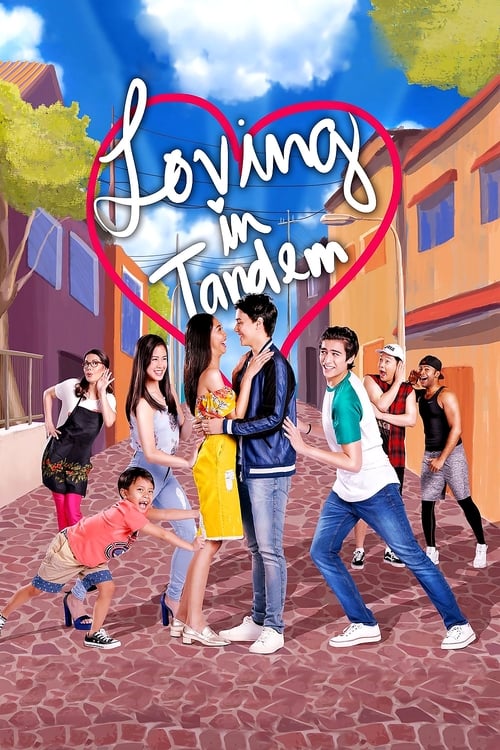
Shine is a jolly and happy-go-lucky girl who will do anything for her family. But when it comes to love. she hopelessly finds one, and wishes to meet her one true love. Until one day when she was praying to meet the love of her life, she unexpectedly meets Luke, a rebellious and grumpy Filipino-American boy who was sent to the Philippines by his parents from the United States.
2017

2004

2020

2011

2017

2016

2017

2016
No reviews yet. Be the first to share your thoughts on this movie!
Use the rating form above to leave a star rating and optional review.