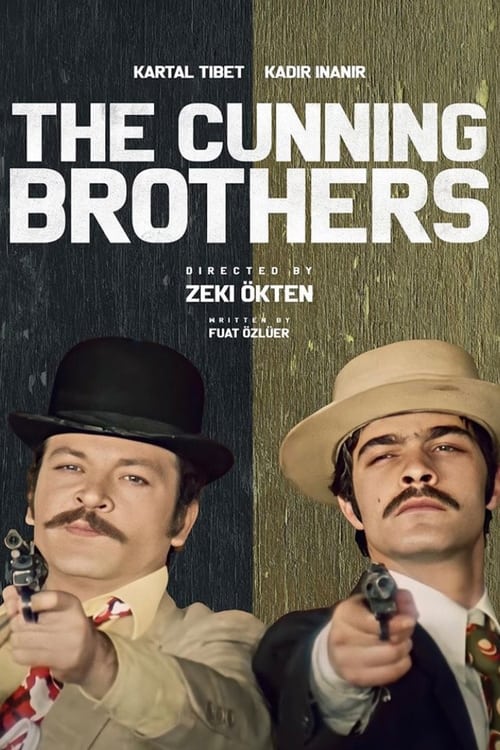
The Cunning Brothers
1973
No user ratings available yet
Representation score: 2.0 out of 10
Representation Score
Fair
1973
Director
Zeki Ökten
Average Rating
No ratings yetNew Showbiz Analysis
The film focuses on the relationship between two brothers and their journey towards social success. While it doesn't have the layered complexity found in modern media, it provides a critical look at social stratification and the superficial nature of elite institutions. Its strengths lie in its exploration of class dynamics and its critique of elitism. However, the production is limited by the conventions of its era, offering little representation for LGBTQ+ identities or disability. Overall, the film offers a glimpse into the Turkish film industry of the 1970s, emphasizing social mobility over identity-focused narratives.
Category Breakdown
The film follows the typical structures of 1970s Turkish commercial cinema and does not include any LGBTQ+ characters or narratives that question the assumption that everyone is straight.
The story centers around the bond between two brothers and their pursuit of social advancement. Female characters seem to play a supporting role rather than being the main drivers of change.
The cast is made up of actors from the same ethnic background, reflecting the specific regional identity of the Turkish film industry. It serves as a typical cultural product of its time.
The story criticizes class differences by showing outsiders trying to break into exclusive institutions. It suggests a preference for intelligence and effort over inherited privilege.
There is no information about characters with visible or invisible disabilities in this production.
Present on Screen
Limited or Absent
Official Synopsis
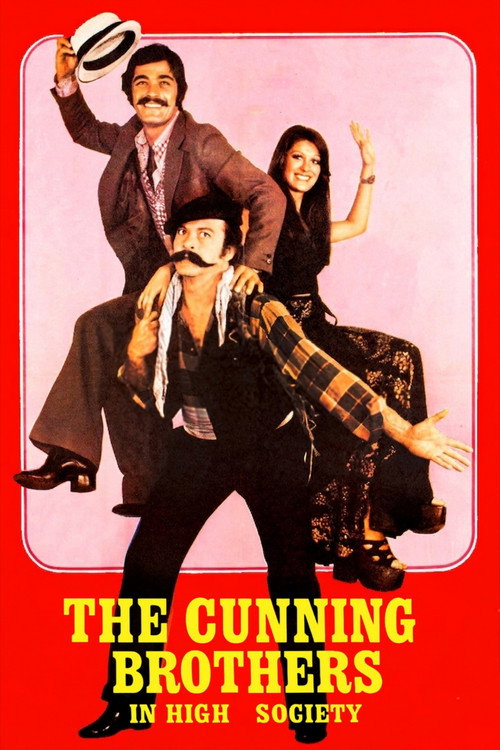
Two brothers with distinctive characteristics are separated at birth. They find each other while both are trying to get into high society for different reasons.
1973

1998

1970
1974

1969

1961

2011
1982
No reviews yet. Be the first to share your thoughts on this movie!
Use the rating form above to leave a star rating and optional review.