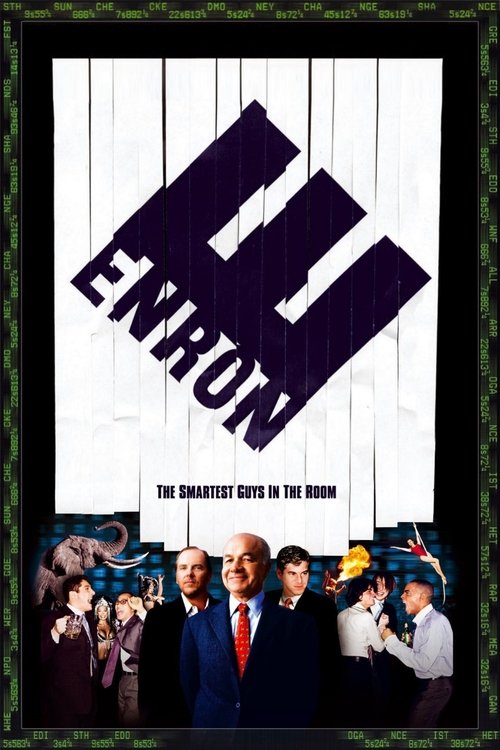
The Crooked E: The Unshredded Truth About Enron
2003
No user ratings available yet
Representation score: 4.4 out of 10
Representation Score
Minimal
2009
TV-14Director
Michael Samuels
Runtime
60 minutes
Average Rating
No ratings yetNew Showbiz Analysis
The film emphasizes historical accuracy and demographic realism, focusing on the male-dominated environment of the 2008 financial crisis. While it provides a critical look at corporate greed, it does not address issues of identity-based diversity. The work reinforces traditional hierarchies of gender, race, and class, reflecting the specific corporate culture of the time.
Category Breakdown
The film does not include any LGBTQ+ characters or non-binary gender identities.
The story focuses on a male-dominated power structure where women have little influence in key decision-making roles.
The cast is primarily white, reflecting the historical demographics of the investment banking sector. There is no meaningful diversity in leadership roles.
The film presents the collapse of economic empires as a result of institutional dysfunction, highlighting systemic failures in American finance.
The film does not represent any physical, sensory, or neurodivergent disabilities among its characters.
Present on Screen
Limited or Absent
Official Synopsis
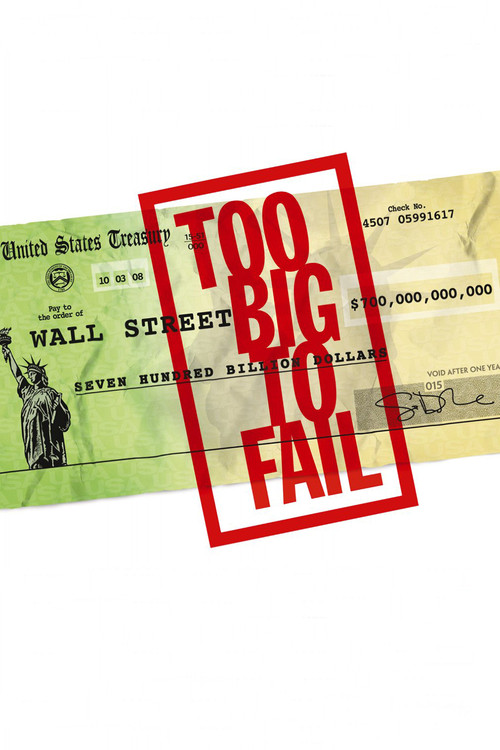
The heads of Wall Street's biggest investment banks were summoned to an evening meeting by the US Treasury Secretary, Hank Paulson, to discuss the plight of another - Lehman Brothers. After six months' turmoil in the world's financial markets, Lehman Brothers was on life support and the government was about to pull the plug. Lehman CEO, Dick Fuld, recently sidelined in a boardroom coup, spends the weekend desperately trying to resuscitate his beloved company through a merger with Bank of America or UK-based Barclays. But without the financial support of Paulson and Lehman's fiercest competitors, Fuld's empire - and with it, the stability of the world economy - teeters on the verge of extinction.
2003

2012

2009
1999
2007
2011
1993
2005
No reviews yet. Be the first to share your thoughts on this movie!
Use the rating form above to leave a star rating and optional review.