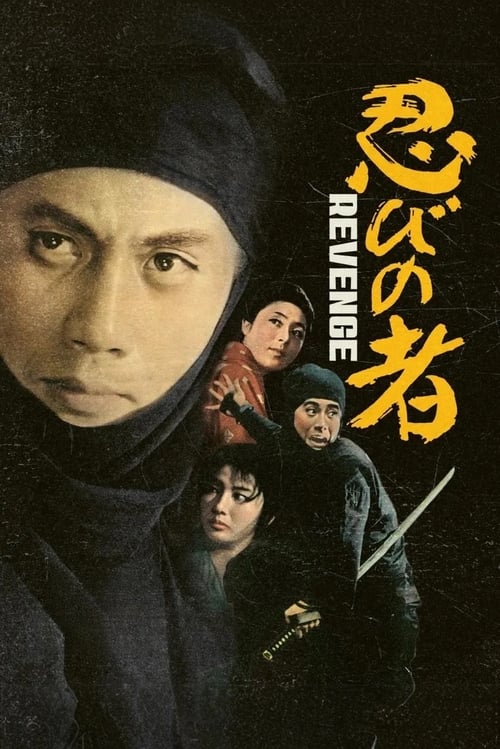
Shinobi no Mono 2: Vengeance
1963
No user ratings available yet
Diversity score: 4.8 out of 10
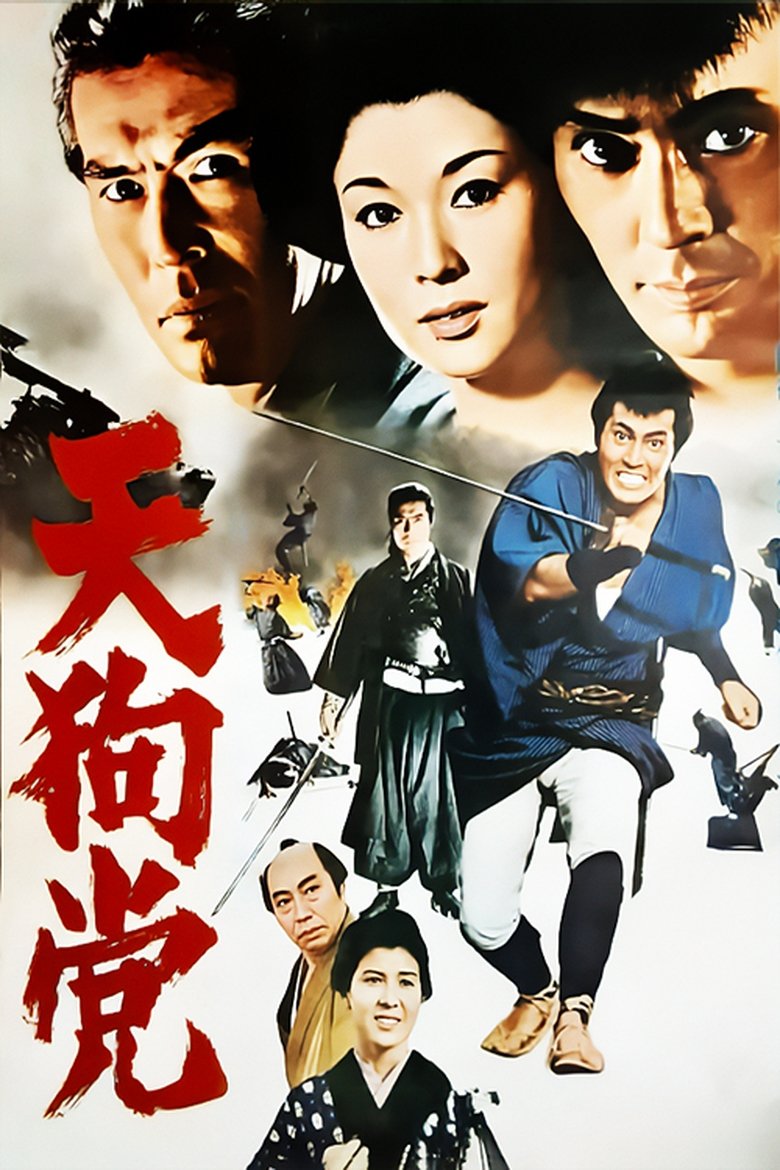
1969
Director
Satsuo Yamamoto
Runtime
102 minutes
Average Rating
No ratings yetSynopsis
Sentaro is been severely beaten for his defiance of the government and the high taxes during a time of famine. He is befriended by Kada Gentaro, a leader in the Mito Tengu group, which plans to overthrow the shogunate.
Overall Score
Fair
Category Breakdown
LGBTQ+ Representation
The film lacks any evidence of queer narratives or non-cisnormative identities. The story focuses strictly on political rebellion and class struggle.
Gender Representation
Male protagonists drive the plot through political agency and insurrection. The specific roles and presence of female characters are not detailed in the narrative.
Racial & Ethnic Diversity
The cast is ethnically homogeneous, reflecting its Japanese period setting. It explores group identity through the Mito Tengu group's resistance to central authority.
Religious & Cultural Diversity
The film critiques centralized authority by centering on characters who defy oppressive taxation and government mandates. It prioritizes the agency of marginalized groups over state stability.
Disability Representation
There is no information regarding the portrayal of physical or neurodivergent disabilities within the film's context.
Strengths
Areas for Improvement
AI Analysis
Blood End is a period drama centered on systemic critique and political upheaval. It uses the historical struggle of the Mito Tengu group to explore the friction between individual defiance and state-mandated authority during a time of famine. The narrative architecture focuses on socio-political dynamics and the deconstruction of traditional power structures. While it lacks modern intersectional markers like LGBTQ+ or disability representation, it provides a deep look at class struggle and institutional oppression. Ultimately, the film frames the central government as a source of hardship, using historical rebellion as a metaphor for the struggle against systemic inequity.
No reviews yet. Be the first to share your thoughts on this movie!
Use the rating form above to leave a star rating and optional review.