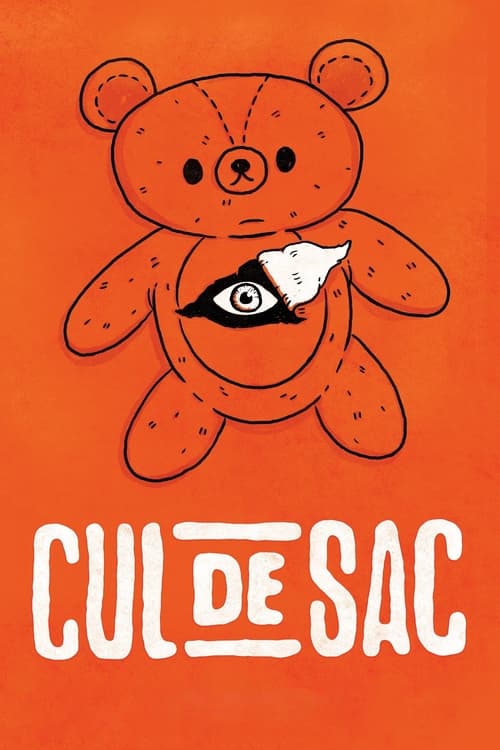
Cul-de-Sac
2016
No user ratings available yet
Representation score: 8.1 out of 10

Representation Score
Limited
2016
Director
Judie Feenstra
Runtime
9 minutes
Average Rating
No ratings yetNew Showbiz Analysis
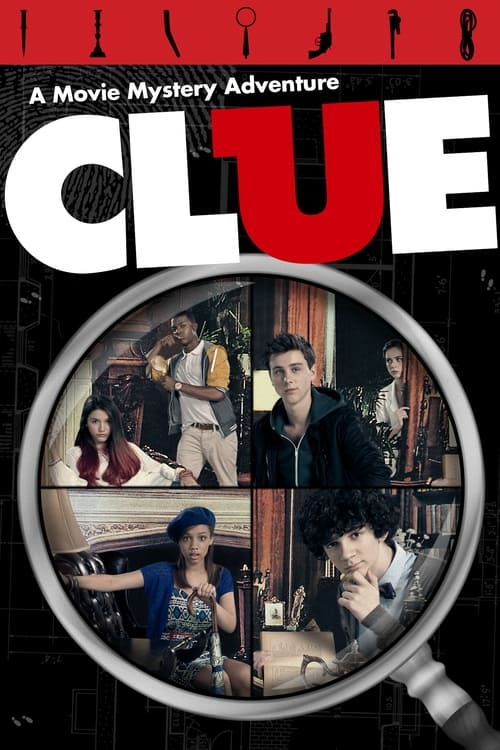
The Clue opens with a title card over a tropical montage, establishing a reality-competition premise that sells a straightforward narrative of strategic triumph. The film’s argument is simple: intelligence and emotional resilience, coded here as feminine virtues, are superior to raw physical strength. This is visible in the camera’s consistent focus on Noa’s reactions and decision-making, while the male participants are relegated to the background as physical laborers or sources of comedic failure. The sold meaning is one of female empowerment, where the "treasure" is both literal cash and personal validation. However, the film’s internal logic is thin. The competition is framed as a meritocracy, but the participants are a polished, homogeneous group of young adults, and the tropical setting remains a neutral, exotic backdrop rather than a site of cultural or racial commentary. The narrative does not challenge the status quo of the reality TV format; it simply reinforces the idea that the "winner" is the one who plays the social game best. The ending, with Noa smiling over her prize, settles the moral verdict: strategic intelligence is the highest virtue, and those who fail are simply eliminated without further moral weight. The film is a product of its moment, reflecting the 2010s fascination with reality competition and the liberal performance of meritocracy. It does not offer a deep critique of the system it inhabits, nor does it subvert the traditional hierarchies of the genre. Instead, it presents a clean, unchallenged vision of success, where the protagonist’s victory is both earned and inevitable. The last image is a celebration of individual triumph, with no lingering questions about the cost of the game or the nature of the prize.
Category Breakdown
No queer characters or relationships appear in the cast or narrative. Romantic and competitive dynamics are strictly heterosexual, with no on-screen deviation from binary pairings.
Nathalie Pownall’s character Noa serves as the strategic and moral center, driving the plot through intelligence rather than physicality. Male participants are framed as physical laborers or comic foils, with their failures highlighting Noa’s competence.
The cast is predominantly White, with Ebony Campbell providing the primary non-White presence. The tropical setting functions as a neutral backdrop, offering no specific commentary on racial dynamics or colonial history.
The narrative treats meritocracy as the primary moral framework, rewarding strategic intelligence and resilience over brute force. Traditional institutions are absent, replaced by the secular, rule-based logic of the competition.
No characters with disabilities are depicted, nor is impairment discussed. The focus remains on the physical and mental capabilities of able-bodied participants.
Present on Screen
Limited or Absent
Official Synopsis
A girl who lives a very ordinary life one day finds a mysterious note with an invitation to go on an adventure. She goes on a treasure hunt where she finds clues that lead her to different places, unraveling a mystery that turns out different than expected.
2016
2012
2022
2019
2014
2015

2017
2017
No reviews yet. Be the first to share your thoughts on this movie!
Use the rating form above to leave a star rating and optional review.