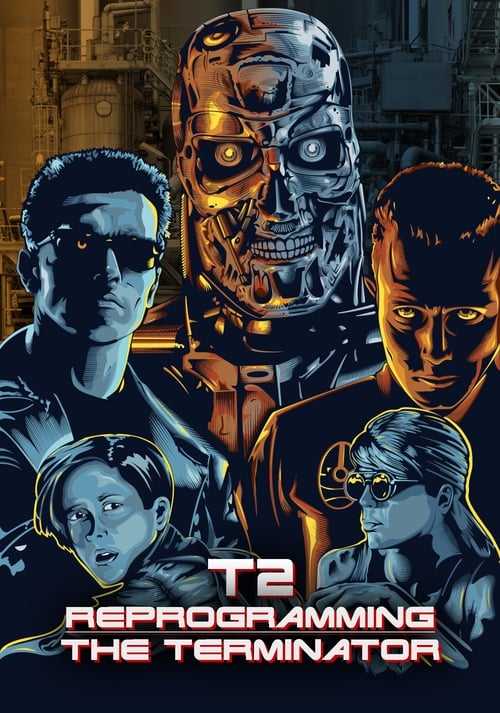
T2: Reprogramming The Terminator
2017
No user ratings available yet
Representation score: 1.3 out of 10
Representation Score
Minimal
2026
Director
Antoine Coursat
Average Rating
No ratings yetNew Showbiz Analysis
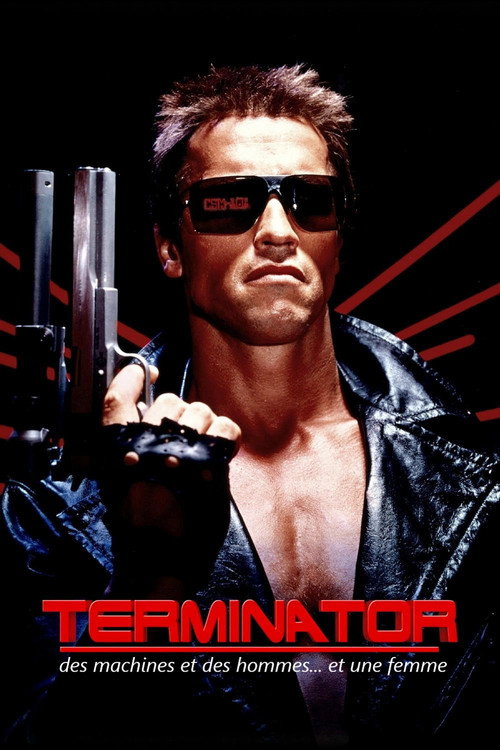
Terminator, des machines et des hommes... et une femme opens with the industrial machinery of Hollywood itself, framing the Terminator franchise not as fiction but as a cultural engine. Directed by Antoine Coursat, the documentary positions James Cameron and Gale Anne Hurd as the architects of a genre, while actors like Robert Patrick and Edward Furlong serve as living artifacts of that legacy. The film’s argument is one of preservation: it treats the franchise’s history as a meritocratic narrative of creative vision and technical achievement. The sold meaning is clear—the camera loves the creator, the director, and the star, treating their labor as the primary value. However, the internal logic reveals a traditional hierarchy where the male director is the genius and the female producer is the essential but secondary support. The ending likely settles on the enduring power of the brand, affirming the status quo of blockbuster filmmaking rather than challenging it. This is a documentary that celebrates the machine, not the people who built it, leaving identity and diversity as background noise to the roar of the T-800.
Category Breakdown
No LGBTQ+ identities appear in the evidence. The documentary focuses strictly on the production history and cast of the Terminator franchise.
Gale Anne Hurd and Kristanna Loken appear, but the narrative centers on male creators. The title’s “et une femme” suggests tokenistic inclusion rather than a structural shift.
The cast list is predominantly white, reflecting the franchise’s historical demographics. No non-white figures are named in the top billing or available evidence.
The film treats the Terminator franchise as a cultural artifact, analyzing its impact on action cinema. It documents the legacy of a major Hollywood production without challenging Western norms.
No disabled characters or actors are identified in the credits or synopsis. Disability is not a thematic or on-screen element in the available evidence.
Present on Screen
Limited or Absent
2017
2001
2018
2006
2015
2017
1985
2016
No reviews yet. Be the first to share your thoughts on this movie!
Use the rating form above to leave a star rating and optional review.