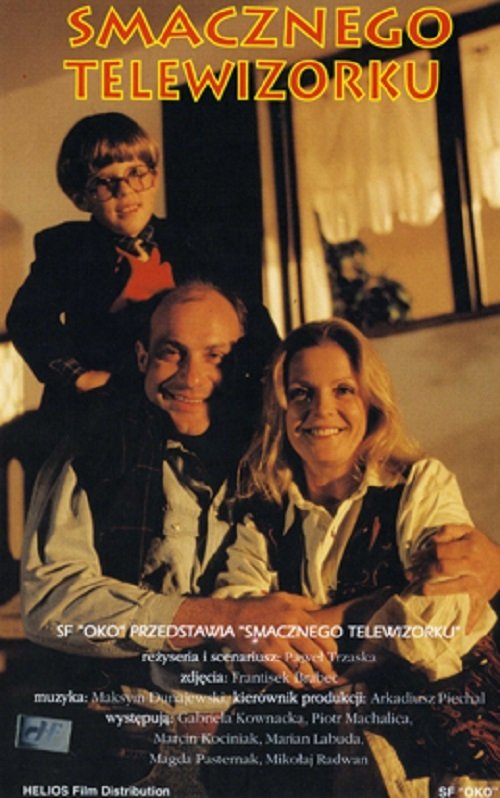
Smacznego, telewizorku
1992
No user ratings available yet
Representation score: 3.1 out of 10
Representation Score
Fair
2022
Director
Takahiro Miki
Runtime
115 minutes
Average Rating
No ratings yetNew Showbiz Analysis
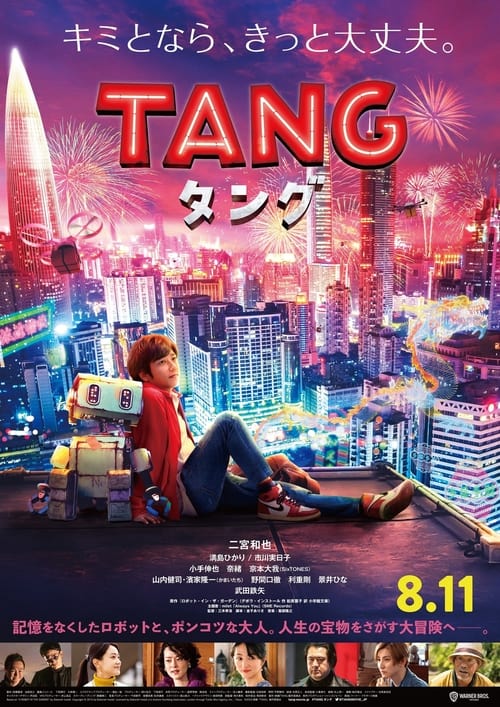
Tang examines the relationship between technology and human connection through a speculative domestic lens. It critiques modern social isolation and evolving notions of companionship by focusing on a disrupted family structure. While it moderately challenges traditional gender roles, the narrative relies on conventional domestic clichés and a homogeneous cast, limiting its diversity. The film's strength lies in its exploration of post-humanist themes, using a non-human entity to discuss identity and responsibility.
Category Breakdown
The film focuses on a traditional marital situation without explicitly confirming any LGBTQ+ characters or non-straight relationships.
The male protagonist's emotional detachment due to gaming subverts the typical portrayal of a competent patriarch. However, the wife's role and ability to act remain undefined, primarily shown through her departure.
The predominantly Japanese cast suggests homogeneity, but the central robot, Tang, might represent 'the other,' exploring identity and belonging beyond ethnic lines.
The story addresses social isolation and the breakdown of traditional family units. It emphasizes technological ethics over traditional religious or moral absolutes.
The film does not include any characters with visible or invisible disabilities, neurodivergence, or chronic illness.
Present on Screen
Limited or Absent
Official Synopsis
Ken Kasugai has been deserted by his wife, because he was absorbed in a game. One day, missing child robot Tang appears in front of him.
1992

2020

1985

2019
1987

2007

2019
2022
No reviews yet. Be the first to share your thoughts on this movie!
Use the rating form above to leave a star rating and optional review.