
Electric Light Orchestra: Out of the Blue - Live at Wembley
1978
No user ratings available yet
Diversity score: 3.2 out of 10
1984
NOT RATEDDirector
Mike Mansfield
Runtime
58 minutes
Average Rating
No ratings yetSynopsis
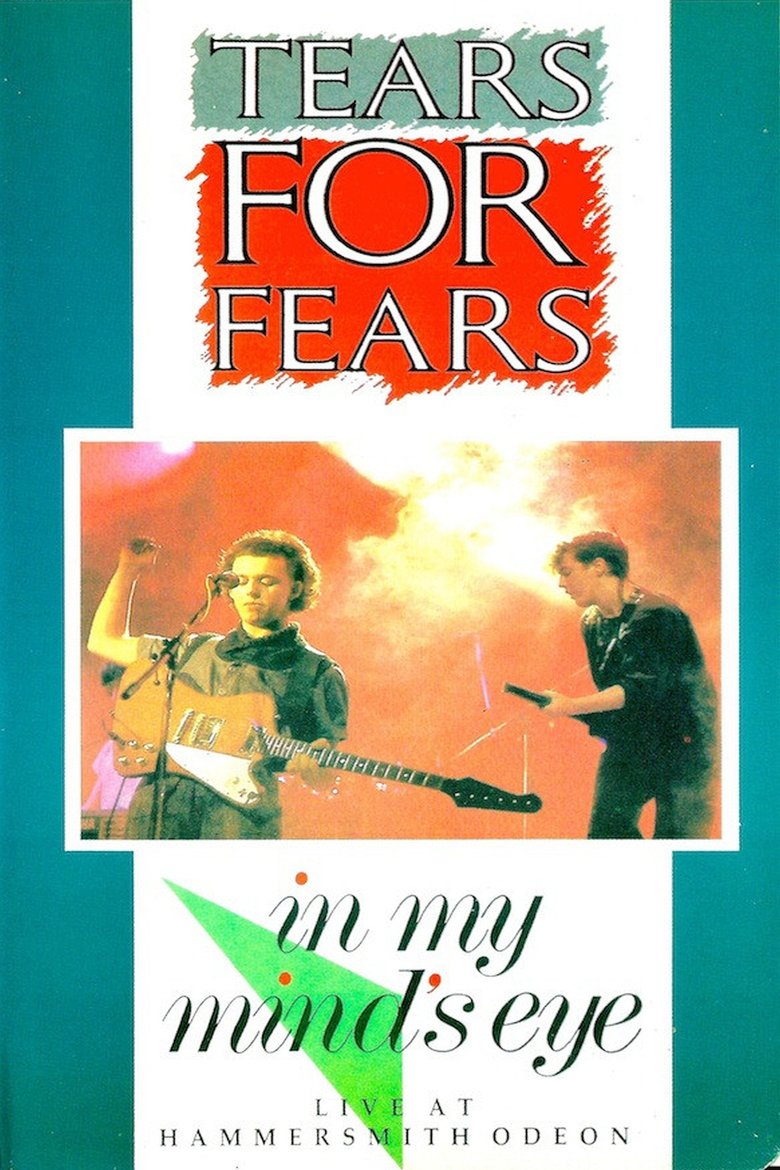
In My Mind's Eye is a concert performance video released by the British group Tears For Fears. It was recorded in December 1983 at the London Hammersmith Odeon (now the Hammersmith Apollo) and released on home video in late 1984.
Overall Score
Fair
Category Breakdown
LGBTQ+ Representation
The performance captures the androgynous aesthetics common in the 1980s British New Wave scene. However, it lacks explicit depictions of queer identity or same-sex intimacy.
Gender Representation
Visual focus remains centered on the male band members. The film does not engage with gender hierarchies or traditional roles due to its performance-based nature.
Racial & Ethnic Diversity
The primary performers are white, reflecting the London music scene of 1983. While the audience is diverse, the camera work prioritizes the stage over the crowd.
Religious & Cultural Diversity
The work emphasizes individualistic artistic expression and secular, art-focused New Wave ethos. It avoids promoting traditional religious or Western institutional hierarchies.
Disability Representation
There is no discernible evidence regarding the representation of physical or neurodivergent disabilities in this musical performance.
Strengths
Areas for Improvement
AI Analysis
This concert film serves as a historical document of Tears for Fears at the London Hammersmith Odeon. Because the medium is a musical capture rather than a narrative drama, it lacks character arcs or intentional socio-political themes. The production reflects the stylistic experimentation of the mid-80s British New Wave era. While the aesthetic allows for gender-bending fashion, the film does not actively explore intersectional identities or systemic power dynamics. Ultimately, the focus remains on musicality and stage presence. The lack of diverse representation is a byproduct of the genre's focus on the performers rather than a deliberate narrative choice.
1978
1979
2003
1988
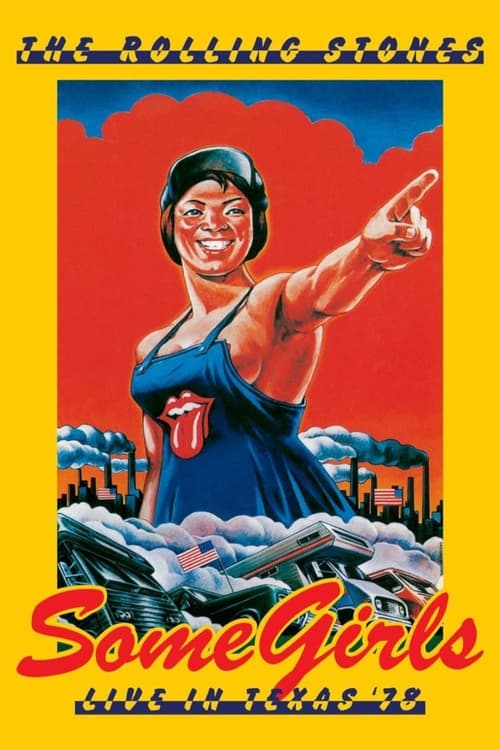
1978
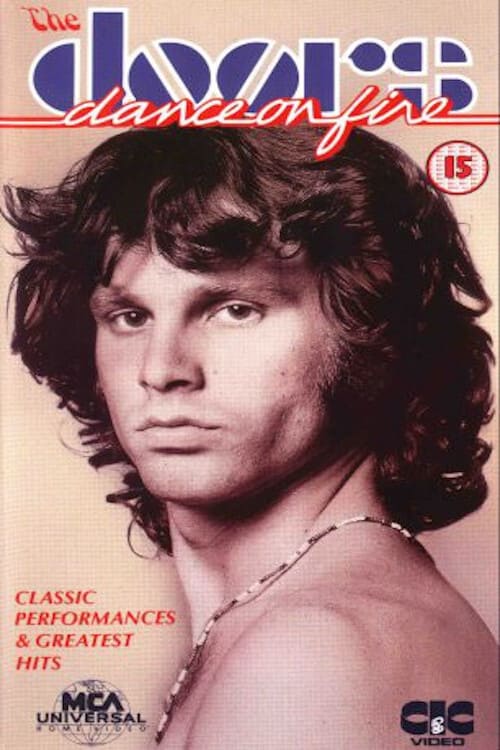
1985

2002
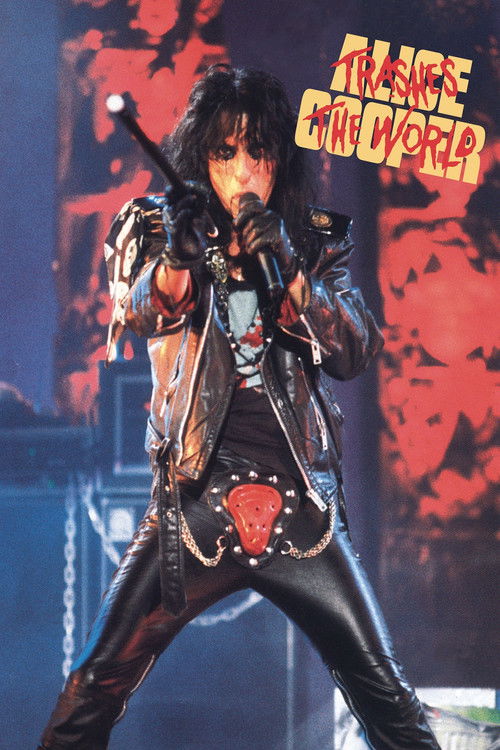
1990
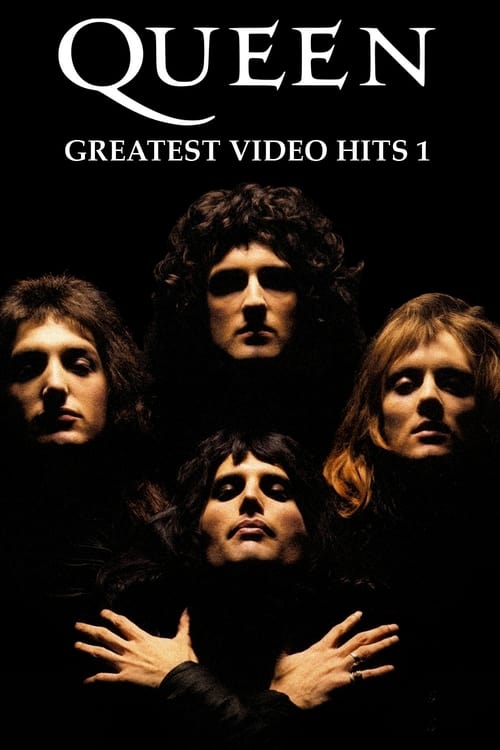
2002
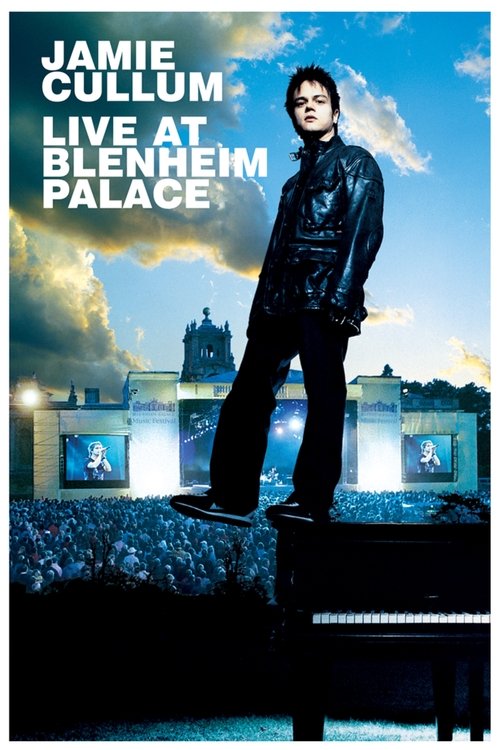
2004
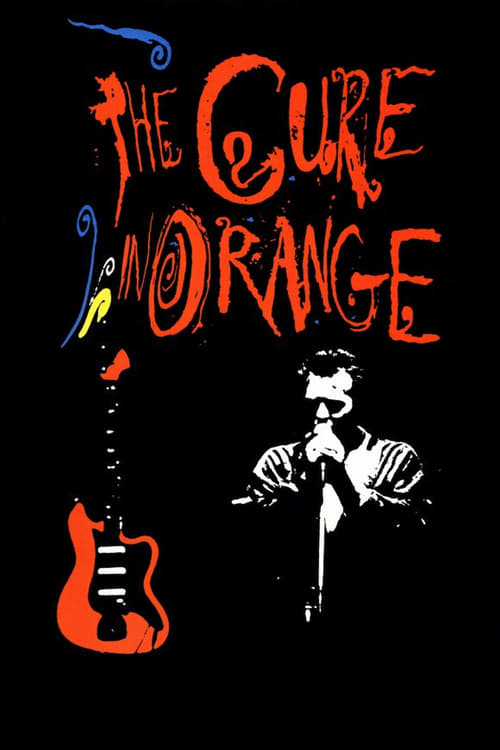
1987
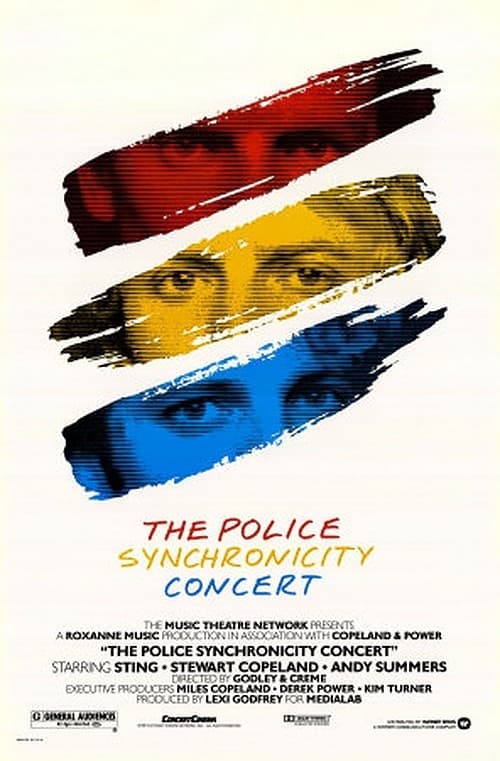
1984
No reviews yet. Be the first to share your thoughts on this movie!
Use the rating form above to leave a star rating and optional review.