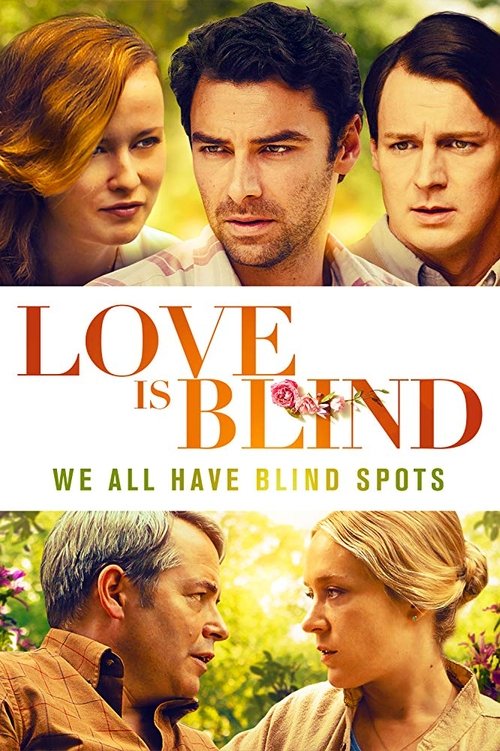
Love Is Blind
2019
No user ratings available yet
Representation score: 7.6 out of 10
Representation Score
Limited
2005
TV-PGDirector
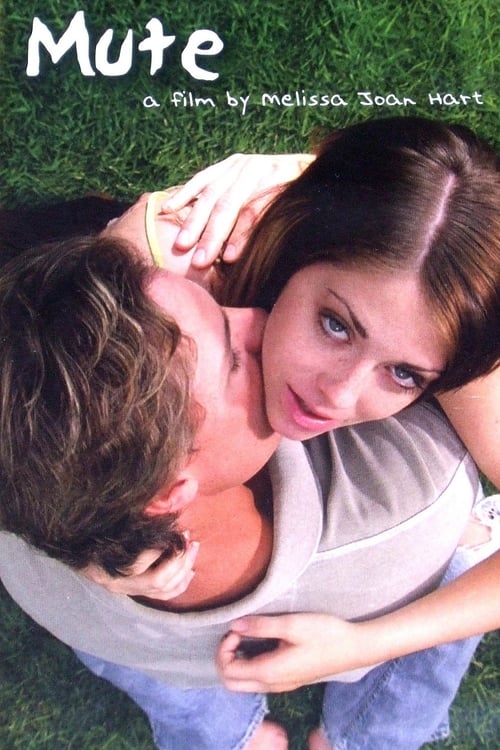
Melissa Joan Hart
Runtime
15 minutes
Average Rating
No ratings yetNew Showbiz Analysis
Mute is a character-driven domestic drama that centers on a profound sensory disability. By making Claire’s deafness and muteness a primary driver of the plot, the film integrates disability into the narrative structure. However, the film's scope is narrow, focusing on sibling rivalry and familial blame within traditional dramatic clichés. There is a notable absence of broader multi-layered identities, such as LGBTQ+ representation or diverse racial backgrounds, which limits the film's social breadth. Ultimately, the film functions as a psychological study of individual struggle, offering meaningful representation for disability while lacking systemic critique or diverse character landscapes.
Category Breakdown
The film does not include any LGBTQ+ characters or stories focusing on non-cisgender identities. The main conflict revolves around family issues and sibling rivalry.
The story centers on the interactions between sisters Eileen and Claire, highlighting female-centric storytelling through domestic conflicts.
There is no information regarding the racial or ethnic composition of the cast. Consequently, the characters' backgrounds remain unestablished.
The narrative explores themes of guilt and family dysfunction. Eileen's sabotage of a wedding highlights a deconstruction of traditional family milestones.
Claire's profound deafness and muteness serve as a key element of the plot, driving the story forward. The disability is woven into the core motivations of the character.
Present on Screen
Limited or Absent
Official Synopsis
When we meet Eileen, we see her sabotaging her big sister's wedding. We find out that she blames her older sister, Claire for a car accident that has left her deaf and mute.
2019
1997
1998
2004
2005
1985

2011
2026
No reviews yet. Be the first to share your thoughts on this movie!
Use the rating form above to leave a star rating and optional review.