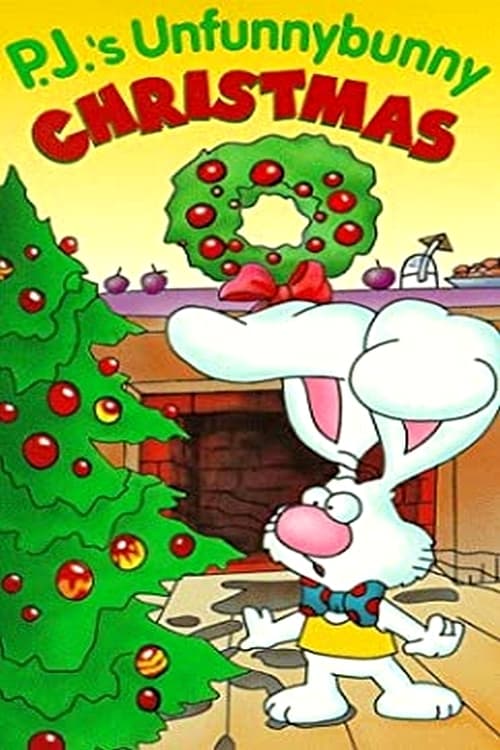
P.J.'s Unfunnybunny Christmas
1993
No user ratings available yet
Representation score: 0.9 out of 10
Representation Score
Minimal
1991
Director
Catherine Margerin
Runtime
30 minutes
Average Rating
No ratings yetNew Showbiz Analysis
The film presents a conventional animated family narrative centered on emotional fulfillment and domestic stability. It follows a standard trajectory of an orphan seeking connection and material comfort. While the story highlights the proactive journeys of Ivy and Holly, it lacks layers reflecting multiple aspects of identity or critiques of broader social structures. The narrative adheres to established Western seasonal clichés without challenging familiar patterns. Ultimately, the film serves as a traditional holiday tale that prioritizes domestic connection over diverse or complex social representation.
Category Breakdown
The story focuses on a traditional search for familial and grandparental bonds. There is no evidence of LGBTQ+ identities or critiques of the assumption that everyone is straight or cisgender.
The narrative is driven by female protagonists, Ivy and Holly. While they demonstrate a significant role in driving the story, their roles function within traditional emotional and caretaking frameworks.
The synopsis provides no mention of the racial or ethnic identities of the characters. Consequently, no specific details regarding cast or character descriptions are available.
The film operates within a traditional Western Christmas framework. It emphasizes themes of family and longing, reinforcing conventional domestic connections and seasonal celebrations.
There is no indication of physical disabilities, mental health conditions, or neurodivergence within the character descriptions provided.
Present on Screen
Limited or Absent
Official Synopsis
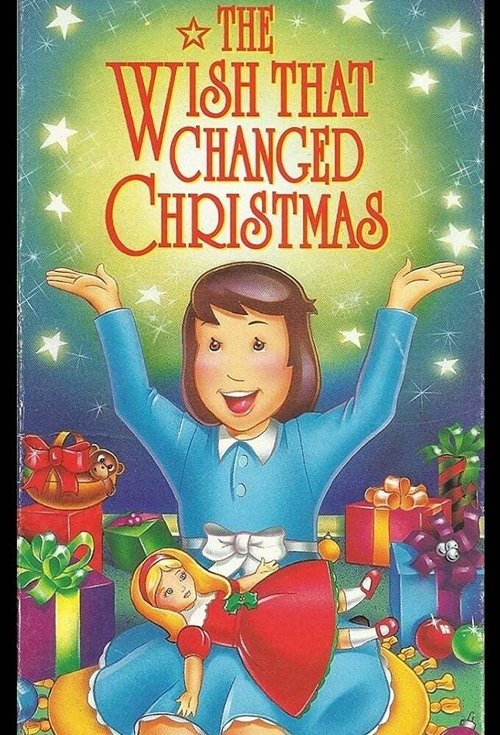
Ivy, an orphan wants a grandmother and a doll for Christmas. She mistakes a sign greeting her into a town, she jumps off a bus and shouts, "It's me, Ivy!". In the cold she looks for a grandma unsucessfully. She finally finds a woman who always wanted children and a doll, Holly. Based on the book The Story of Holly and Ivy.
1993
2002
2001
1976
1990
1974
1993
1999
No reviews yet. Be the first to share your thoughts on this movie!
Use the rating form above to leave a star rating and optional review.