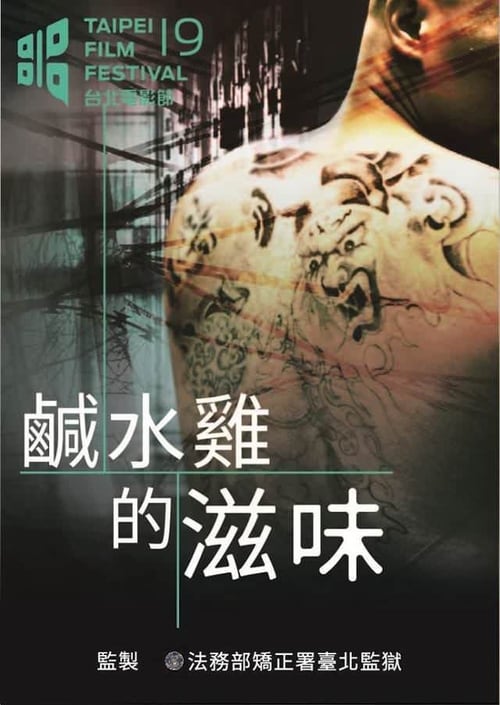
True Emotion Behind the Wall
2017
No user ratings available yet
Representation score: 7.9 out of 10

Representation Score
Excellent
2010
Director
Brigitte Sy
Runtime
100 minutes
Average Rating
No ratings yetNew Showbiz Analysis
Free Hands serves as a profound critique of institutional stability and the transition to market-driven systems. By centering the voices of those navigating a collapsing state infrastructure, the film challenges conventional expectations of social order. The documentary excels at documenting non-conventional survival strategies. It avoids the typical pitfalls of mainstream narratives by providing real control to subjects who are often overlooked in global media. While the film offers deep socioeconomic and cultural insights, it remains neutral on specific identity-based narratives like LGBTQ+ representation. This focus on systemic friction defines its unique perspective.
Category Breakdown
The film does not focus on non-traditional gender identities or offer direct critiques of the assumption that everyone is straight or cisgender.
The narrative examines how economic collapse affects the roles of both men and women. It avoids romanticizing traditional gender roles and shows how survival requires stepping away from conventional expectations.
The film provides significant depth regarding ethnic diversity within the post-Soviet context. It centers on Moldovan inhabitants to avoid a Western-centric viewpoint and highlights complex identity formation.
The film critically examines the shift to global capitalism as a destabilizing force. It explores moral relativism as a sophisticated survival mechanism in the absence of institutional support.
The film captures the resilience of individuals facing socioeconomic hardships. Subjects navigate their environments with significant control rather than being portrayed through pity or inspiration.
Present on Screen
Limited or Absent
Official Synopsis
Barbara is a filmmaker who has been working in the prison environment for a few years now. She is preparing a film written and directed by long-term inmates in a prison in the projects around Paris. Twice a week, Barbara goes to the prison where she shoots interviews with the inmates which will serve as a basis for the writing of their screenplay.
2017

2012
2002
2008
2009
2024

2016
1985
No reviews yet. Be the first to share your thoughts on this movie!
Use the rating form above to leave a star rating and optional review.