Water Like a Black Buffalo
1970
No user ratings available yet
Representation score: 4.2 out of 10
Representation Score
Excellent
2022
Director
Andrea Segre
Runtime
75 minutes
Average Rating
No ratings yetNew Showbiz Analysis
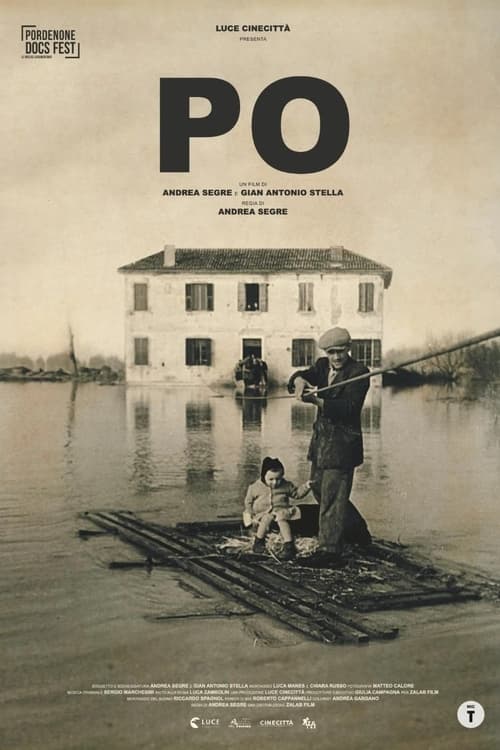
Andrea Segre’s documentary uses archival footage to bridge the gap between historical records and the lived trauma of the 1951 Po river flood. It examines how environmental catastrophe intersects with class and regional identity. The film challenges sanitized versions of history by emphasizing the socio-economic precarity of the Polesine region. By focusing on the ability to act of those excluded and the instability of the status quo, it offers a sophisticated meditation on collective memory. While the historical context limits racial and LGBTQ+ diversity, the film explores systemic vulnerabilities. It shifts the focus from traditional hierarchies to the shared human experience of survival.
Category Breakdown
The film focuses on communal survival during a historical natural disaster. While it doesn't include explicit LGBTQ narratives, it avoids reinforcing assumptions that everyone is straight or cisgender.
The narrative disrupts traditional gender roles by highlighting the role of women and children. Gendered roles blur during the crisis, presenting a multifaceted view of survival.
The subjects are largely homogeneous due to the 1951 rural Italian setting. However, the film provides a nuanced look at class-based exclusion within this specific landscape.
The film prioritizes lived experiences over official state narratives. It centers the voices of survivors to provide a perspective that values the displaced over institutional stability.
The documentary captures the physical vulnerability and sensory trauma of a population in crisis. It presents the physical toll of the flood as a raw reality of human fragility.
Present on Screen
Limited or Absent
Official Synopsis
November 14, 1951, the left bank of the Po river a few hundred meters from the Padua-Bologna railway bridge breaks. The tide invades the Polesine's lands in a few minutes, one of the poorest regions in Italy at the time. Thousands people, men, women and children flee while the water remains stagnant for months between the houses and the countryside. Today, 70 years later, the children of that time remember those months immortalized by the films perfectly preserved in the Istituto Luce's archives.
1970
2016
2015
2013
1947
2020

2008
1997
No reviews yet. Be the first to share your thoughts on this movie!
Use the rating form above to leave a star rating and optional review.