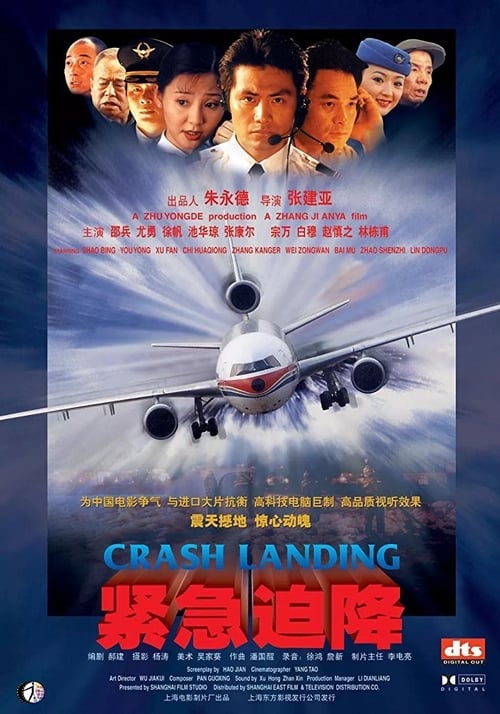
Crash Landing
2000
No user ratings available yet
Representation score: 4.6 out of 10

Representation Score
Fair
1986
Director
Aleksandr Grishin
Runtime
80 minutes
Average Rating
No ratings yetNew Showbiz Analysis
Train Out of Schedule is a classic disaster drama that prioritizes technical tension and industrial survival over identity-based storytelling. The narrative is driven by a mechanical failure and a medical emergency, which serve to propel the plot forward rather than explore the lived experiences of the characters. The film operates within the standard social and gender hierarchies of the late-Soviet period. It focuses on the breakdown of systemic control and the vulnerability of established structures, leaving little room for multi-layered character development or the disruption of social norms.
Category Breakdown
The film adheres to traditional social frameworks typical of its era. There is no exploration of non-straight relationships or narratives centered around LGBTQ+ identities.
The story centers on a technical crisis dominated by masculine archetypes. Female characters appear but play secondary roles to the mechanical emergency.
The cast reflects the demographic homogeneity of Soviet-era industrial dramas. The film operates within a localized social reality without intentional racial blending.
The narrative focuses on the tension between human ability to act and failing institutional systems. It prioritizes survival over a deconstruction of societal or religious morality.
A sudden heart attack serves as the plot's catalyst. However, this medical emergency functions as a mechanical trigger rather than a nuanced character study.
Present on Screen
Limited or Absent
Official Synopsis
Train driver suddenly felt sick and train itself is not quite fine. Without a driver it runs unstoppable and now it's passengers are who should save a train and their own lives.
2000
1960

1989
2019

1990

2022

1981
1999
No reviews yet. Be the first to share your thoughts on this movie!
Use the rating form above to leave a star rating and optional review.