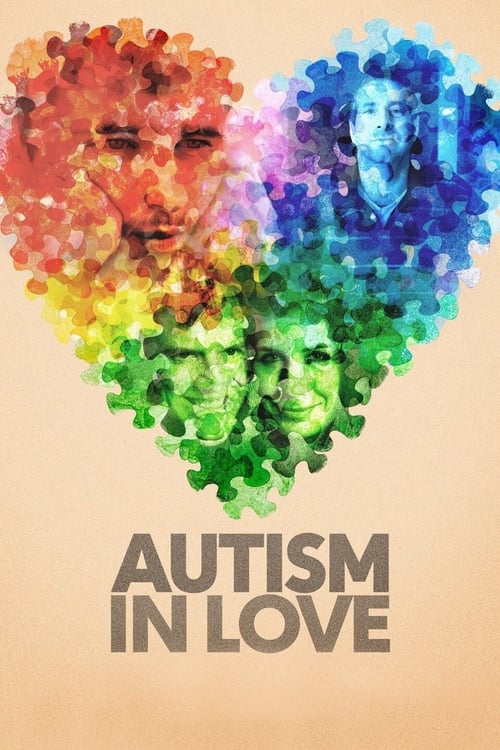
Autism in Love
2015
No user ratings available yet
Diversity score: 6.1 out of 10
No Poster Available
2011
Director
Pernille Rose Grønkjær
Runtime
87 minutes
Average Rating
No ratings yetSynopsis
Are you addicted to love? Through personal stories of love addicts and the people around them this documentary explores the nature of love addiction. It will seek to understand what happens when "love" takes over your life. If you are addicted to love, love becomes more of a struggle than something great and joyful. Love addiction can rule your life in a destructive way. As someone addicted to love, you ignore your own boundaries and needs, and your attempts to loving someone are seldom returned. Love addiction can lead to obsessive thinking, anxiety, despair and loneliness
Overall Score
Good
Category Breakdown
LGBTQ+ Representation
The film explores intimacy through the lens of obsessive thinking and anxiety. While specific queer identities are not explicitly detailed, the focus on interpersonal dysfunction allows for non-heteronormative perspectives.
Gender Representation
The narrative potentially subverts traditional feminine archetypes by framing devotion as a source of despair rather than domestic stability. It prioritizes individual autonomy over conventional gendered emotional fulfillment.
Racial & Ethnic Diversity
There is insufficient information regarding the racial or ethnic demographics of the participants to provide a meaningful assessment.
Religious & Cultural Diversity
The documentary critiques Western romantic ideals by treating love as a psychological struggle rather than a spiritual virtue. It emphasizes individual dysfunction over traditional social or family structures.
Disability Representation
By centering on obsessive thinking and addictive behaviors, the film treats mental health struggles as central human experiences. This grants agency to those navigating invisible neuro-psychological disabilities.
Strengths
Areas for Improvement
AI Analysis
Love Addict functions as a psychological deconstruction of romantic idealism. Rather than celebrating partnership, the film examines the destructive nature of obsession and the dissolution of personal boundaries. It shifts the focus from communal virtues to individual pathology. The documentary's strength is its thematic disruption of social norms. It replaces the 'joy' of romance with a realistic look at anxiety and loneliness. This approach provides a platform for discussing mental health as a primary driver of human experience. However, the film lacks explicit demographic data. While the psychological themes are progressive, the absence of clear information regarding race, ethnicity, or specific LGBTQ+ identities limits a full assessment of its inclusive reach.
2015
2019

2007
2016

2009

1997
2019

2010
2015

2013

1984

2015
No reviews yet. Be the first to share your thoughts on this movie!
Use the rating form above to leave a star rating and optional review.