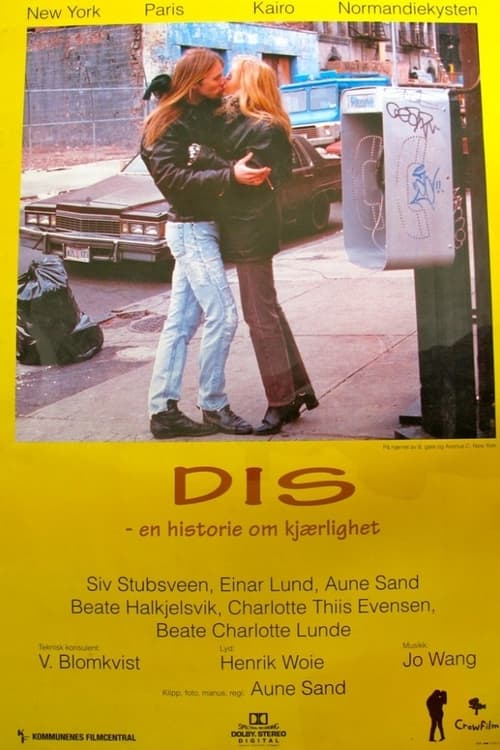
Dis: A Story About Love
1995
No user ratings available yet
Representation score: 5.5 out of 10
Representation Score
Fair
1996
RDirector
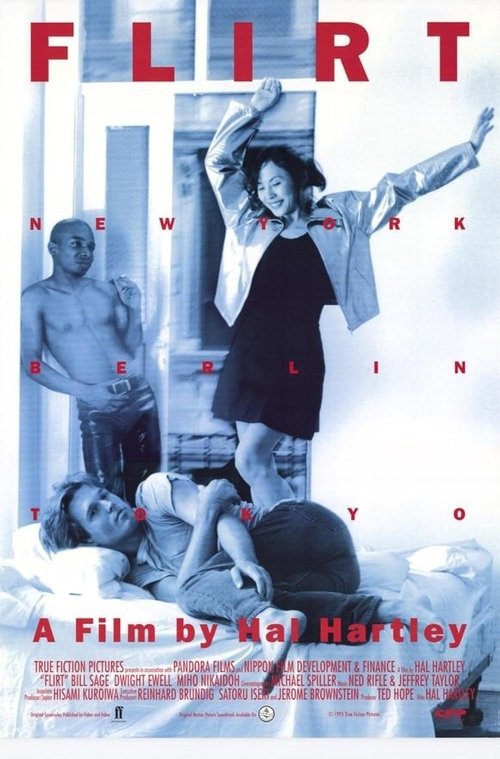
Hal Hartley
Runtime
85 minutes
Average Rating
No ratings yetNew Showbiz Analysis
Hal Hartley’s *Flirt* excels in its intellectual subversion of gender roles and social structures. By framing romance as a transactional service, it challenges traditional romantic hierarchies and the commodification of human connection. However, the film focuses on a narrow demographic. It lacks LGBTQ+ representation and significant racial diversity, despite its global settings. Ultimately, the film is a study in postmodern detachment, trading demographic breadth for a deep critique of capitalist-driven social norms and traditional courtship.
Category Breakdown
The film does not feature prominent LGBTQ+ characters or narratives focused on non-straight identities. It touches on the performative nature of desire but remains within a framework without explicit queer markers.
The film challenges traditional gender hierarchies by giving the protagonist significant control over the story. Female characters are shown with intellectual and emotional independence, rather than being confined to passive romantic roles.
The cast is predominantly white, set within a bohemian urban environment. Although the story moves through New York, Berlin, and Tokyo, it lacks significant racial diversity.
The story criticizes the commodification of connection by portraying intimacy as a hired service. Characters favor personal, existential values over established religious or institutional ones.
There are no clear depictions of physical, sensory, or neurodivergent disabilities within the main character arcs.
Present on Screen
Limited or Absent
Official Synopsis
The same situation is played out in different cities (New York, Berlin and Tokyo). A lover has to choose whether to commit to a partner who is returning home. In each case there are other people involved, an ex-partner and someone else in a "permanent" relationship, what do they choose to do?
1995
1992
1997

2007
1996
1986
2014
2014
No reviews yet. Be the first to share your thoughts on this movie!
Use the rating form above to leave a star rating and optional review.