
Micky Flanagan: Peeping Behind the Curtain
2020
No user ratings available yet
Diversity score: 2.6 out of 10
1999
Director
Geoff Posner, Dominic Brigstocke
Runtime
149 minutes
Average Rating
No ratings yetSynopsis
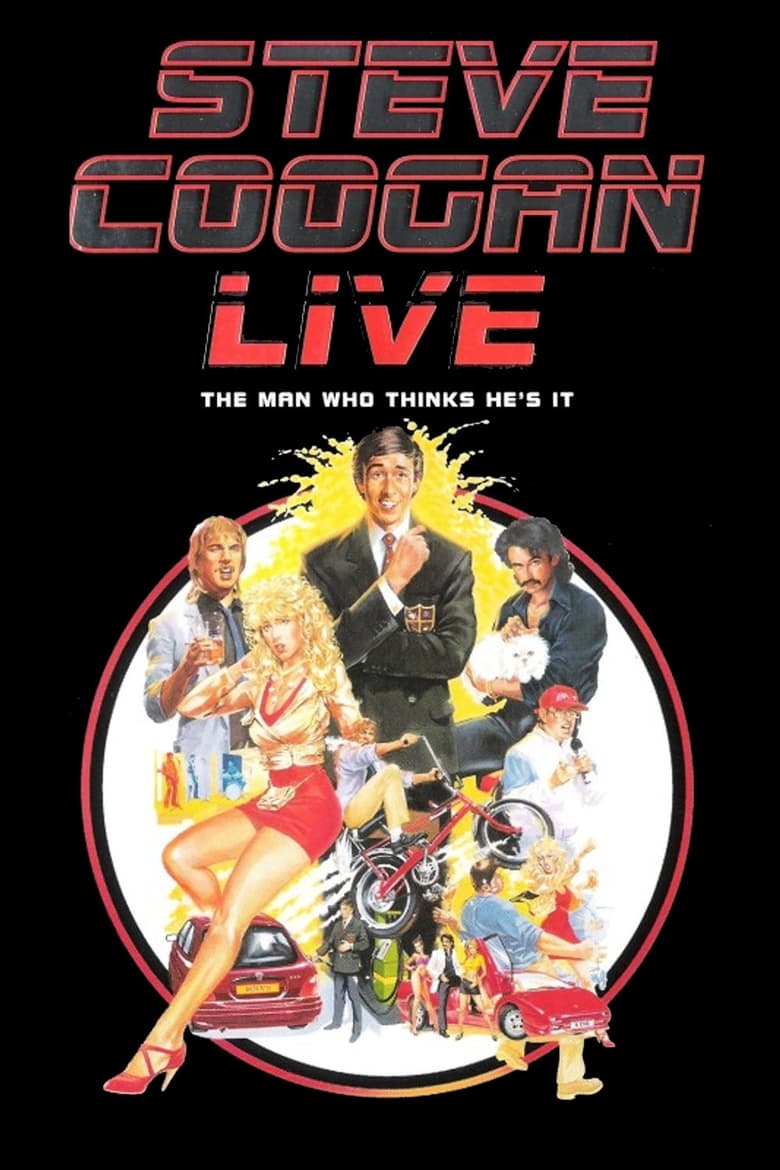
Recorded live at The Palace Theatre in Manchester. All his favourite characters appear - Alan Partridge, Paul and Pauline Calf, Tony Ferrino, Ernest Moss and the irritating Duncan Thicket.
Overall Score
Limited
Category Breakdown
LGBTQ+ Representation
The production focuses on social satire rather than explicit LGBTQ+ narratives. While exploring unconventional social dynamics, there is little evidence of non-cisnormative identities or critiques of heteronormativity.
Gender Representation
Coogan utilizes various personas, including Pauline Calf, to explore gendered performance. However, the comedy often relies on traditional gendered tropes rather than subverting systemic hierarchies.
Racial & Ethnic Diversity
The cast and character archetypes reflect a relatively homogeneous demographic. The production lacks evidence of race-bent casting or a diverse, non-Anglo-Saxon majority.
Religious & Cultural Diversity
The work critiques British middle-class identity and social pretension. It uses satire to deconstruct social status, though it lacks a broader institutional or anti-Western framework.
Disability Representation
There are no specific depictions of visible or invisible disabilities. Consequently, there is no meaningful assessment of agency or representation regarding disability.
Strengths
Areas for Improvement
AI Analysis
This live performance serves as a showcase for Steve Coogan’s character-driven satire. The comedy centers on deconstructing social archetypes and British cultural identities through specific, localized personas. While the satire effectively mocks social pretension and middle-class vanity, the work lacks intentional intersectional representation. It functions more as a study of individual eccentricity than a vehicle for systemic social critique. The production remains rooted in a specific regional and era-appropriate demographic, resulting in limited racial and LGBTQ+ diversity.
2020
1992

2008

2022
2007
1999
No reviews yet. Be the first to share your thoughts on this movie!
Use the rating form above to leave a star rating and optional review.