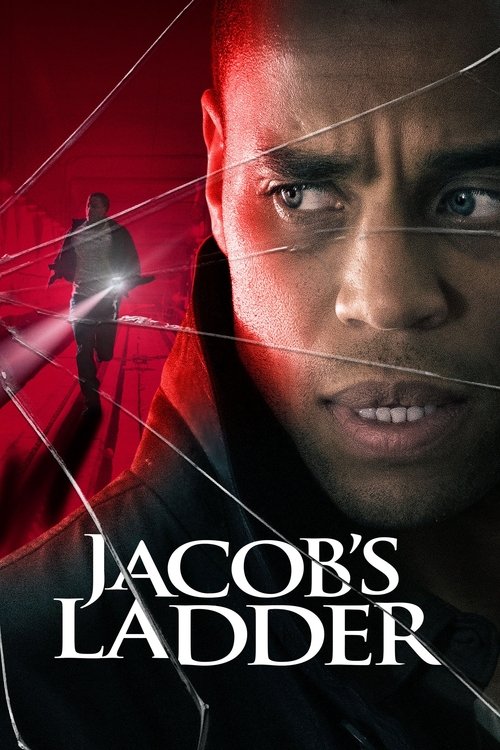
Jacob's Ladder
2019
No user ratings available yet
Representation score: 5.8 out of 10

Representation Score
Good
2015
RDirector
Ryan M. Kennedy
Runtime
99 minutes
Average Rating
No ratings yetNew Showbiz Analysis
An Act of War stands out by breaking down the 'war hero' cliché in favor of psychological realism. It shifts away from traditional heroic narratives to explore the internal turmoil of a veteran adjusting to civilian life. The film's main strength lies in its nuanced portrayal of mental health issues, treating PTSD as a primary driver of the protagonist's experience rather than a secondary plot point. This offers a grounded, non-idealized look at trauma. However, the film falls short in terms of visible diversity in racial and LGBTQ+ representation. While it successfully challenges gendered expectations of strength, it remains a narrow, character-focused study with limited multi-layered scope.
Category Breakdown
The film does not include explicit references to queer identities or non-straight relationships. The story focuses solely on the protagonist's struggles with addiction and past trauma.
The story challenges traditional masculine stereotypes by highlighting vulnerability instead of toughness. It replaces the typical strong-war-hero archetype with a portrayal of psychological instability.
There is no specific mention of the racial makeup of the cast or setting. The film's localized, gritty setting does not provide much insight into diverse representation.
The narrative questions Western institutional support systems by showing the veteran's struggle to adapt. It examines the instability of traditional societal roles through themes of addiction and violence.
The film provides a meaningful look at invisible disabilities such as PTSD and insomnia. These conditions play a central role in driving the plot, treating neurobiological trauma as a complex, central issue.
Present on Screen
Limited or Absent
Official Synopsis
Battling insomnia and undiagnosed PTSD, a war veteran works nights as a projectionist at a decrepit theater. While struggling to adapt to civilian life, he soon finds himself tangled in an inescapable web of seduction, addiction, and violence.
2019
1994

2008

2017

2022

2021

2013

2022
No reviews yet. Be the first to share your thoughts on this movie!
Use the rating form above to leave a star rating and optional review.