
Woods
2015
No user ratings available yet
Representation score: 0.8 out of 10
Representation Score
Fair
2008
Director
Graham Green
Runtime
86 minutes
Average Rating
No ratings yetNew Showbiz Analysis
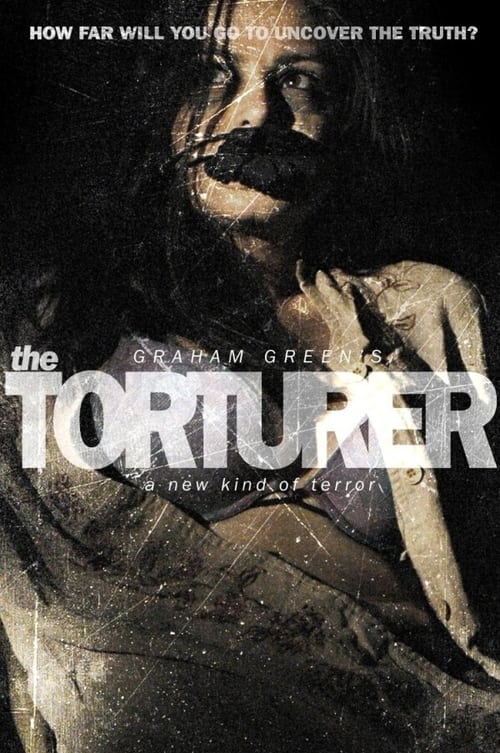
The Torturer is a psychological character study that prioritizes the internal fragmentation of a former interrogator over explicit identity-based representation. It avoids traditional, uncomplicated patriotic narratives by focusing on the moral and psychological costs of military intervention. While the film lacks visible LGBTQ+ characters and overt gender subversion, it finds strength in its critique of Western institutional frameworks. The inclusion of a diverse cast and the exploration of PTSD offer a more nuanced look at modern conflict compared to typical genre fare. Ultimately, the film's diversity lies in its thematic complexity rather than a broad spectrum of social identities. It uses the psychological thriller genre to deconstruct the 'heroic soldier' archetype through the lens of trauma.
Category Breakdown
The film does not include any visible LGBTQ+ characters or non-assuming gender matches what was assigned at birth identities. The story focuses solely on the protagonist's psychological trauma.
The story centers on male-driven trauma and traditional masculine roles. Although a therapist provides a professional dynamic, there is no clear subversion of gendered power structures.
The film features a diverse cast, including veteran actress Nichelle Nichols. The Iraq setting highlights themes of cross-cultural interaction and the complexities of Western involvement in the region.
The film critiques Western institutional narratives by examining the consequences of state-sanctioned interrogation. It moves away from heroic soldier clichés to explore systemic dysfunction.
The plot centers on PTSD, focusing on the protagonist's mental health struggles. It is unclear whether the condition is portrayed with real power or used merely as a plot device.
Present on Screen
Limited or Absent
Official Synopsis
Rick (Andrew W. Walker) is a man raised with solid American values, who was trained as a "special interrogator" in Iraq. He does and experiences things there that cause him PTSD. When he is debriefed by a therapist (Doc), strange things begin to be revealed, and as the creepiness factor starts to rise we realize that all is not as it seems.
2015

2010

2017
2002

2020

1990

2016

2016
No reviews yet. Be the first to share your thoughts on this movie!
Use the rating form above to leave a star rating and optional review.