Danger Route
1967
No user ratings available yet
Diversity score: 2.8 out of 10
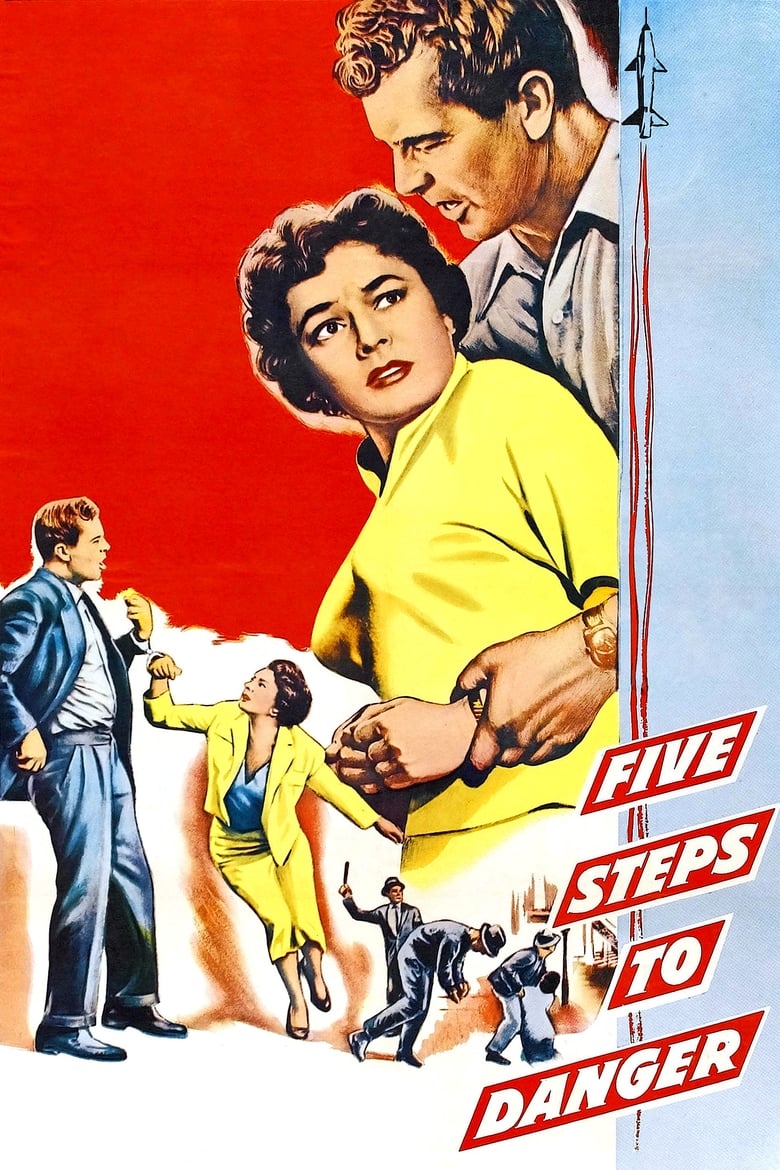
1956
NRDirector
Henry S. Kesler
Runtime
81 minutes
Average Rating
No ratings yetSynopsis
Can a couple keep important secrets from Communist spies?
Overall Score
Minimal
Category Breakdown
LGBTQ+ Representation
The film lacks any depiction of non-cisnormative identities or same-sex intimacy. The central couple follows a traditional heteronormative structure common to 1950s thrillers.
Gender Representation
While a female character is part of the central couple, the film likely adheres to masculine-led action archetypes. Women in this era were often relegated to secondary or domestic roles.
Racial & Ethnic Diversity
The narrative focuses on Western geopolitical stability, which often resulted in homogeneous casting. Protagonists typically reflect Anglo-Saxon identities within this genre's historical context.
Religious & Cultural Diversity
The story is built on Cold War tensions and traditional patriotism. It reinforces a binary view of morality rather than exploring complex cultural or systemic critiques.
Disability Representation
There is no evidence that disability, neurodivergence, or chronic illness serve as central character elements or plot drivers in this production.
Strengths
Areas for Improvement
AI Analysis
5 Steps to Danger is a product of its 1956 era, deeply embedded in the sociopolitical frameworks of the Cold War. The narrative prioritizes Western institutional stability and traditionalist values, offering very little disruption to the social hierarchies of the mid-20th century. The film's focus on a couple protecting secrets from Communist spies suggests a conventional approach to character and conflict. This results in a narrow perspective that favors established Western archetypes over diverse or intersectional storytelling. Ultimately, the work functions as a standard genre piece of its time, reinforcing the status quo through its casting and thematic structure.
1967
1950
1939
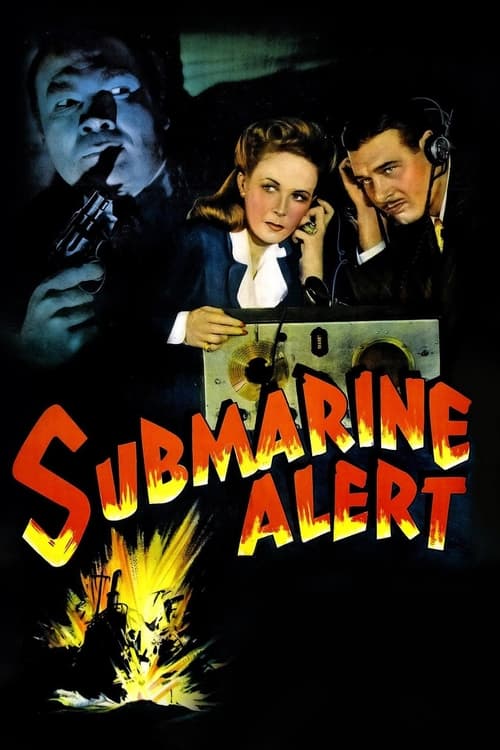
1943
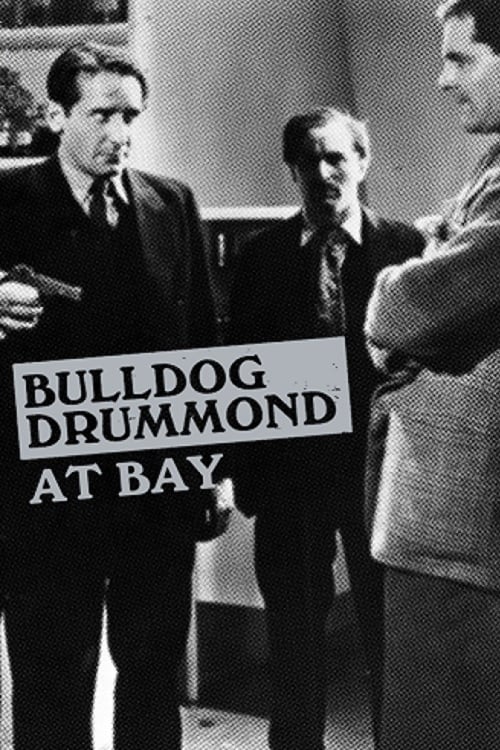
1937
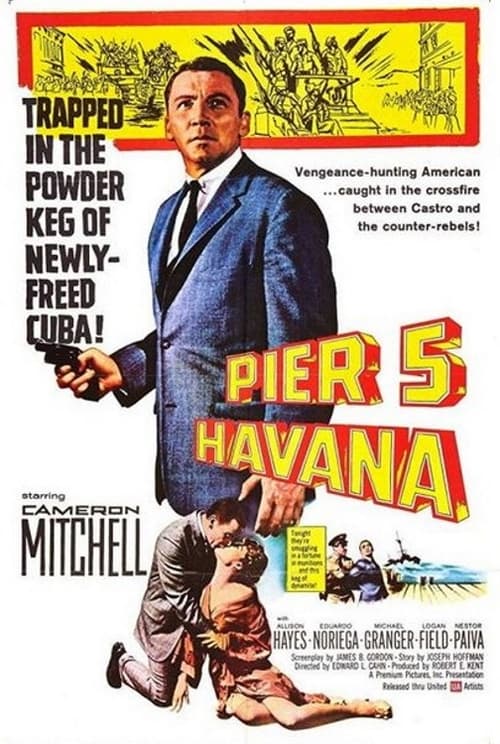
1959
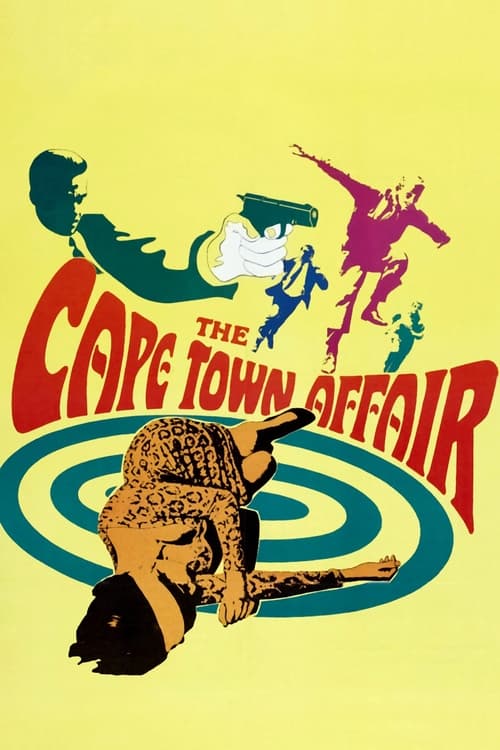
1967
1966

1972
1979

2012

1973
No reviews yet. Be the first to share your thoughts on this movie!
Use the rating form above to leave a star rating and optional review.