
The Notorious Lone Wolf
1946
No user ratings available yet
Representation score: 1.9 out of 10
Representation Score
Limited
1957
NRDirector
Richard L. Breen
Runtime
100 minutes
Average Rating
No ratings yetNew Showbiz Analysis
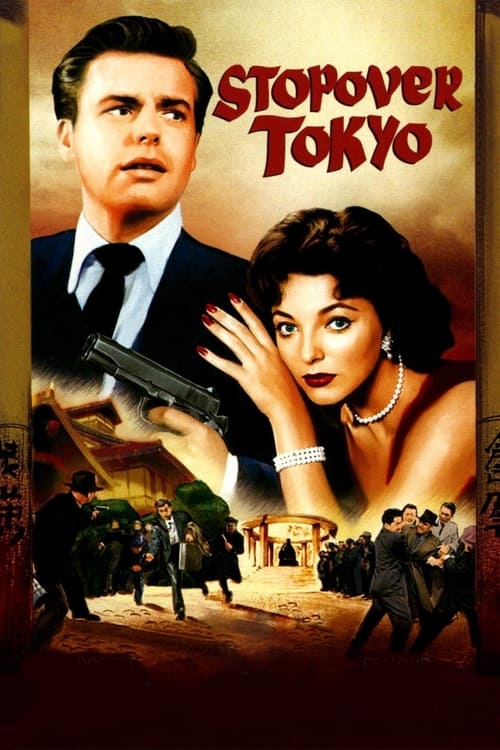
Stopover Tokyo is a traditional mid-century thriller that emphasizes geopolitical narratives from the 1950s. The film reinforces established social norms and hierarchies, lacking the complexity needed for nuanced or characters who reflect more than one aspect of diversity. Ultimately, the film serves as a product of its time, highlighting Western intelligence interests and traditional gender and political hierarchies.
Category Breakdown
The film does not include any characters with non-binary or LGBTQ+ identities and focuses on heterosexual relationships typical of 1950s espionage thrillers.
The story revolves around a strong, authoritative male character who drives the plot. Female characters seem to play supporting roles or romantic interests without much influence on the main storyline.
Set in Tokyo, the film centers on an American agent tasked with catching spies. This setup might overlook the rich cultural context of Japan, treating it merely as a backdrop for the American protagonist’s journey.
The plot is centered on Cold War geopolitics, emphasizing Western institutions and stability without critiquing Western dominance or capitalist structures.
There are no characters with visible physical or neurodivergent disabilities in the film.
Present on Screen
Limited or Absent
Official Synopsis
An American intelligence agent is sent to Tokyo to track down a Communist spy ring.
1946

1953
1966

1946

1958

1951

1951

1955
No reviews yet. Be the first to share your thoughts on this movie!
Use the rating form above to leave a star rating and optional review.