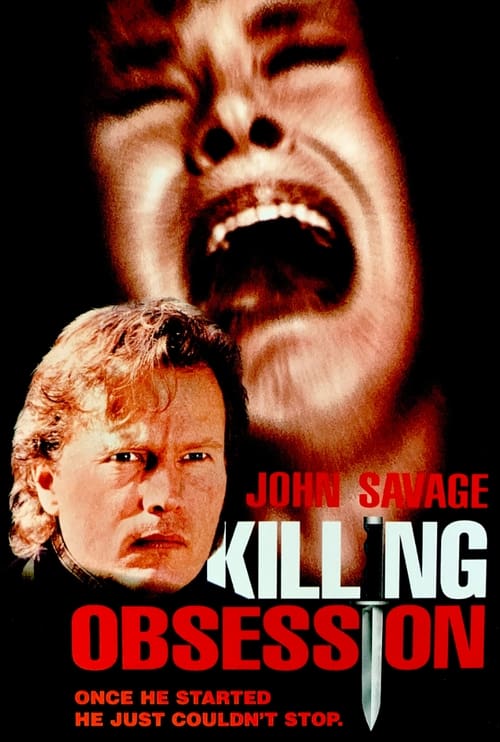
Killing Obsession
1994
No user ratings available yet
Diversity score: 2.5 out of 10
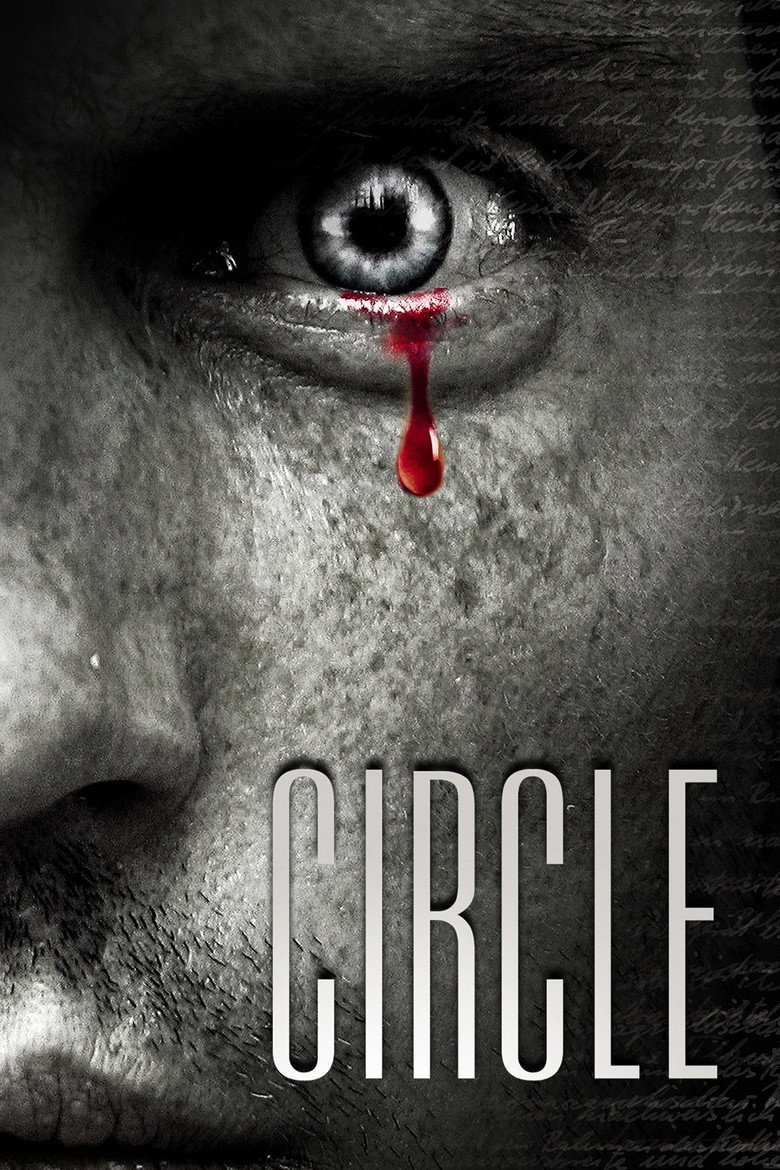
2010
Director
Michael W. Watkins
Runtime
84 minutes
Average Rating
No ratings yetSynopsis
When remorseless killer James Bennett escapes from lockdown in a mental hospital, an FBI agent and a U.S. Marshal track the madman to his hometown, where he plans to slay a group of graduate students studying his case. But to catch their prey, the officers must plumb the mysteries of psychology, Greek mythology and more.
Overall Score
Limited
Category Breakdown
LGBTQ+ Representation
The film follows a traditional thriller structure centered on a killer and law enforcement. There is no evidence of non-cisnormative identities or narratives that critique heteronormativity.
Gender Representation
While female graduate students are present, the film relies on established archetypes like the 'madman' and 'officer.' It does not appear to subvert gender hierarchies or traditional power dynamics.
Racial & Ethnic Diversity
The narrative focuses on a localized pursuit involving law enforcement and students. There is no indication of a non-Anglo-Saxon majority cast or diverse casting to disrupt historical norms.
Religious & Cultural Diversity
The story utilizes Western intellectual frameworks like psychology and Greek mythology. It aligns with conventional law-and-order structures rather than challenging the status quo.
Disability Representation
The plot involves a killer escaping a mental hospital. This risks using psychological instability as a source of terror rather than providing nuanced agency to the character.
Strengths
Areas for Improvement
AI Analysis
Circle (2010) functions as a conventional genre thriller that prioritizes established tropes over social or systemic subversion. The narrative architecture relies heavily on traditional archetypes, such as the law enforcement officer and the unstable antagonist, which limits its intersectional depth. The film lacks intentional representation of LGBTQ+ identities and appears to follow a homogeneous racial distribution typical of mid-budget thrillers from this era. Its reliance on Western intellectual frameworks like Greek mythology further reinforces a standard cultural perspective. Ultimately, the film's approach to disability and gender remains within the bounds of traditional horror cinema. It utilizes mental health and gendered conflict as plot devices rather than exploring complex, diverse lived experiences.
1994
2000
1985
1997
2007
2006
1988
2004
2009

2010
2011
1971
No reviews yet. Be the first to share your thoughts on this movie!
Use the rating form above to leave a star rating and optional review.