The War at Home
1996
No user ratings available yet
Diversity score: 4.4 out of 10
2007
Director
Francesco Lucente
Runtime
165 minutes
Average Rating
No ratings yetSynopsis
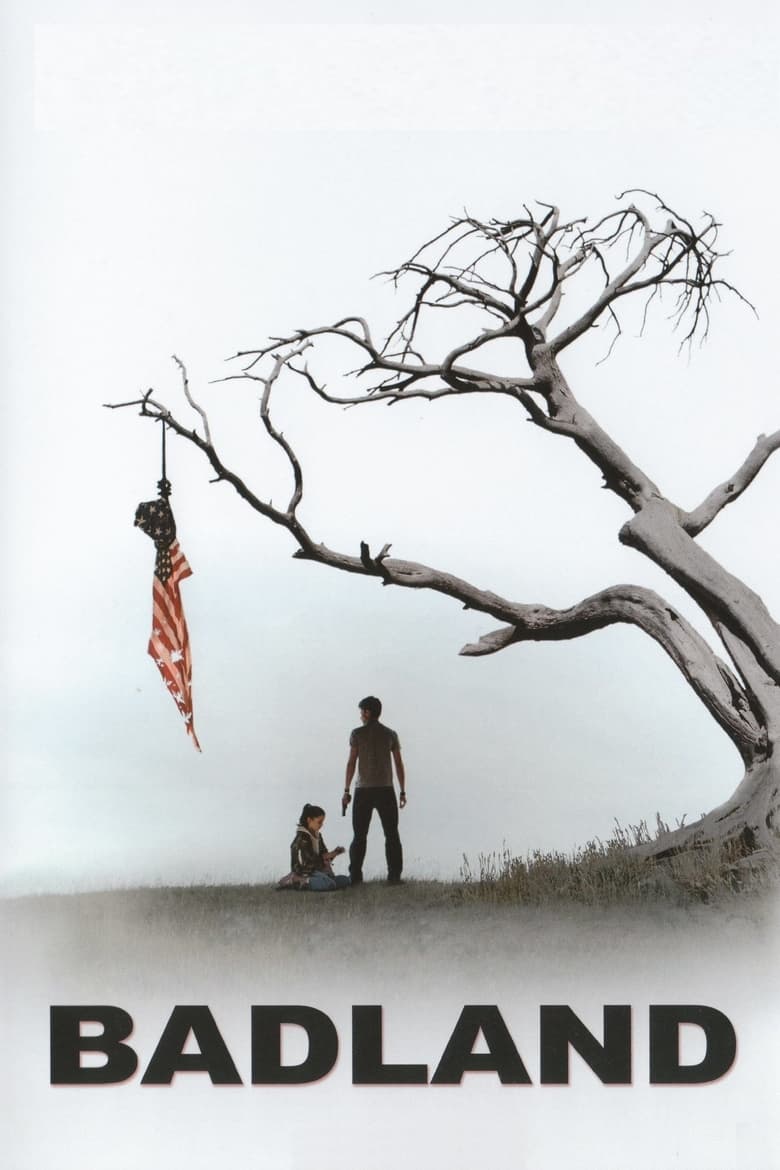
Jerry (Jamie Draven) was an idealist when he served in the first Gulf War. But when he was later deployed to Iraq, Jerry was an older man, a father of three and embittered by broken promises and unfulfilled desires. When Jerry returns from Iraq he has been transformed by horrors that cannot be forgiven. He lives a life of poverty, his children afraid of him and his wife, Nora (Vinessa Shaw), unsympathetic and unhappy. When Jerry discovers that Nora has betrayed him, his anger and despair drive him to commit an act so heinous and irreversible that nothing he had experienced in combat could have prepared him for.
Overall Score
Limited
Category Breakdown
LGBTQ+ Representation
The film centers on a heteronormative domestic structure. There is no evidence of non-cisnormative identities or narratives that critique heteronormativity.
Gender Representation
Nora demonstrates agency through her betrayal, yet the film remains anchored in a fractured domestic hierarchy. The protagonist's descent reinforces a tragic view of traditional masculinity.
Racial & Ethnic Diversity
The narrative focuses on a specific Western, veteran-centric experience. There is no indication of a diverse cast or intersectional identity exploration within the character arcs.
Religious & Cultural Diversity
The film critiques the efficacy of state institutions and the social contract. It deconstructs traditional domestic ideals by portraying the family as a site of fear.
Disability Representation
The protagonist's psychological trauma suggests invisible mental health struggles. However, the narrative uses this condition primarily as a driver for a tragic character arc.
Strengths
Areas for Improvement
AI Analysis
Badland is a gritty character study focused on the psychological disintegration of a veteran. It avoids the idealized 'heroic' veteran trope, opting instead to explore the corrosive effects of institutional failure and personal betrayal. The film succeeds in deconstructing the sanctity of the traditional nuclear family and Western social contracts. By portraying the veteran's return as a descent into poverty and domestic horror, it offers a cynical critique of systemic stability. However, the film lacks intentionality regarding intersectional identities. It remains largely confined to a Western-centric, heteronormative framework, providing little representation for LGBTQ+ or diverse racial groups.
1996

2016

1999

2011

2010

1989
2014

2016

2004
2009
2012
2011
No reviews yet. Be the first to share your thoughts on this movie!
Use the rating form above to leave a star rating and optional review.