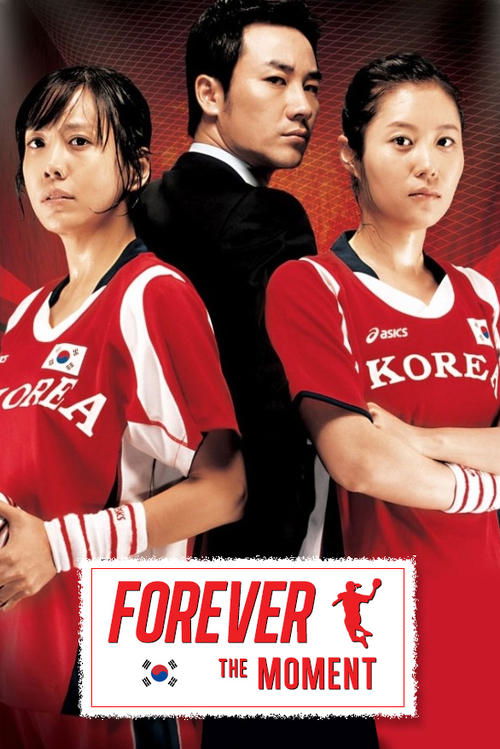
Forever the Moment
2008
No user ratings available yet
Representation score: 5.7 out of 10
Representation Score
Good
2016
Director
Kim Jong-hyun
Runtime
126 minutes
Average Rating
No ratings yetNew Showbiz Analysis
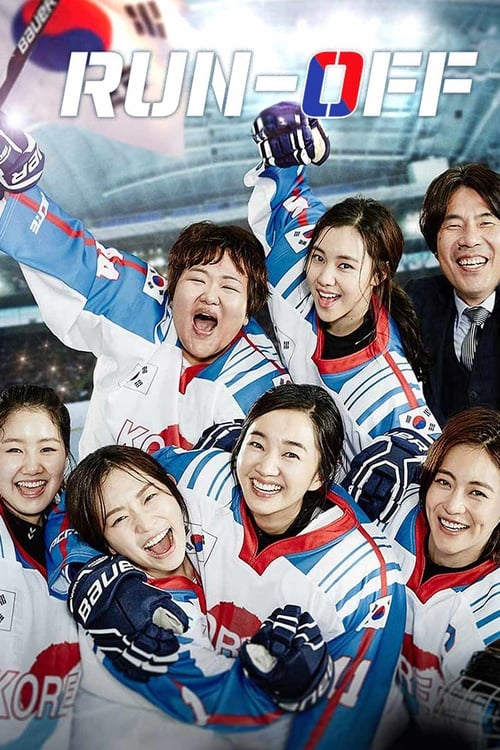
Run-Off succeeds in subverting sports cinema clichés by replacing the 'ideal' woman with a range of flawed, resilient characters. By focusing on women in a high-impact, traditionally masculine sport, the film emphasizes personal empowerment and professional success over domesticity. The narrative's depth comes from its layered approach to identity, particularly through the lens of the North-South divide. This adds a layer of political and cultural complexity that elevates the film beyond a simple underdog story. However, the film is limited by its lack of LGBTQ+ representation and its narrow focus on physical body image rather than diverse neurodivergent or visible disability perspectives.
Category Breakdown
The film doesn't show explicit LGBTQ+ identities or same-sex relationships. The focus remains on team dynamics and family issues rather than queer identities.
The story challenges traditional hierarchies by centering a strong group of women. These women are defined by their athletic achievements and physical strength, rather than traditional domestic roles.
The cast is mostly uniform, but includes a North Korean character that adds significant geopolitical complexity. This explores the fractured identity of the Korean peninsula.
The narrative looks at social outcasts dealing with systemic struggles and national expectations. It uses the North-South divide to criticize rigid institutional structures and political trauma.
Themes of physical non-conformity appear through a character's transition into a housewife. This focuses more on social exclusion than on exploring disabilities.
Present on Screen
Limited or Absent
Official Synopsis
In 2003 the year of Aomori Asian Games, Dae-woong, a former ice hockey player receives an offer to be a director of Korean national ice hockey team. Before he enjoys the moment, realizes it is a woman national team with bunch of losers; a figure skating player who wants to get married by becoming a national team, a former field hockey player, now a fat housewife, and an expelled short track skater. As an ace player, Ji-won, a former national team player of North Korea, joins the team. But they still have hope as only 5 teams participating this year. With the great victory of first match, they feel the medal is closer, yet Ji-won meets her sister left in North Korea alone as a next opponent...
2008
2018
2012
2023

2007
2018

2020

1992
No reviews yet. Be the first to share your thoughts on this movie!
Use the rating form above to leave a star rating and optional review.