Balls
2013
No user ratings available yet
Representation score: 5.7 out of 10
Representation Score
Minimal
2013
Director
John Kolya Reichart
Runtime
93 minutes
Average Rating
No ratings yetNew Showbiz Analysis
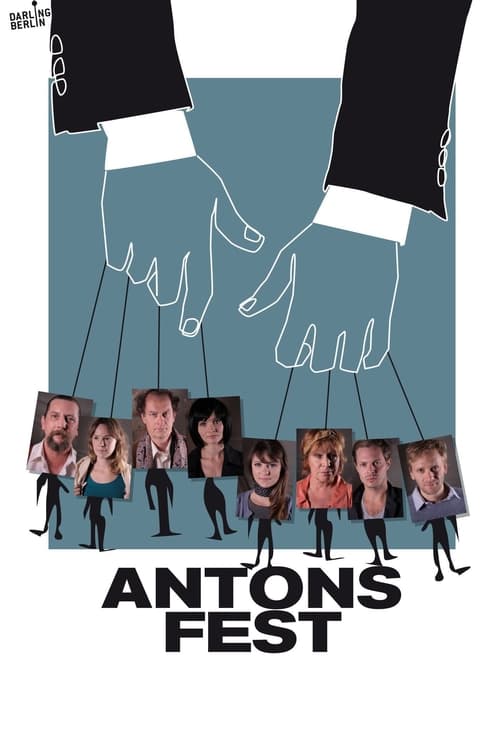
Antons Fest is a localized family drama centered on a homecoming event. The narrative emphasizes the reintroduction of a protagonist into a pre-existing social structure, adhering to conventional dramatic formats without challenging established norms. The film lacks visible signs of complex identity representation or individual empowerment. It seems to operate within a traditional framework without making deliberate efforts to challenge systemic social norms or offer diverse perspectives. Overall, the work functions as a traditional character study of a fragmented social unit, focusing on personal history over the subversion of established cultural norms.
Category Breakdown
The film focuses on familial reconciliation and the influence of past generations. There is no depiction of LGBTQ+ identities or same-sex relationships.
The story centers on traditional family dynamics and interpersonal relationships. It does not explicitly address or challenge gender hierarchies or stereotypes.
The narrative revolves around a close-knit family at a homestead. There is no indication of racial diversity or non-Anglo-Saxon representation.
The film explores themes of familial duty and the prodigal son story. It does not critique Western or institutional power structures.
The plot does not include neurodivergence, physical disabilities, or mental health issues as central themes.
Present on Screen
Limited or Absent
Official Synopsis
Eight people gather at a homestead in the middle of nowhere to celebrate a feast together. It is the family members and closest confidants of Anton, who fled from his life a few years ago, broke off all contacts and now unexpectedly invited to his 30th birthday. In joyful anticipation of the prodigal son, those left behind try the spirits of the past.
2013

2016
2012
2008

2013

2016

2015

2007
No reviews yet. Be the first to share your thoughts on this movie!
Use the rating form above to leave a star rating and optional review.