Harmony Trail
1944
No user ratings available yet
Representation score: 1.8 out of 10
Representation Score
Minimal
1951
PassedDirector
Fred C. Brannon
Runtime
60 minutes
Average Rating
No ratings yetNew Showbiz Analysis
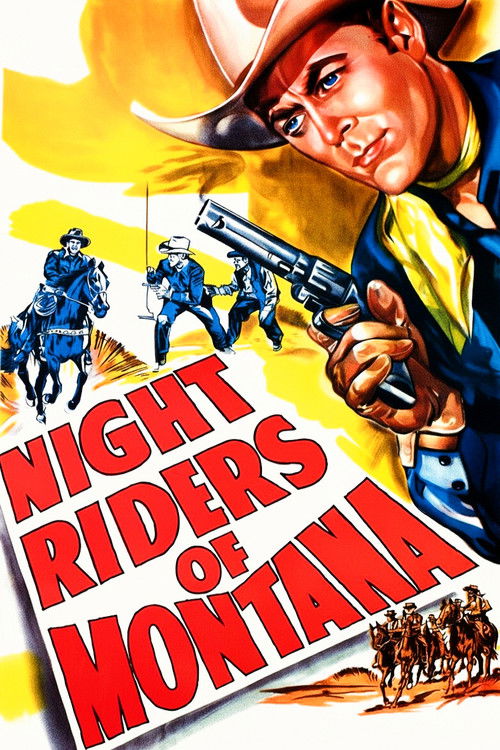
Night Riders of Montana opens on the stark, sun-bleached isolation of the 1951 Montana frontier, a visual argument that the land is too vast and dangerous for local authority alone. This B-Western sells a simple moral arithmetic: the arrival of the state ranger, Allan Lane, is the necessary corrective to the chaos of rustling and the incompetence of the local sheriff. The film’s argument is that order is not an inherent feature of the frontier but a product of external, male imposition. Lane’s competence is the film’s engine; he is the unmarked standard against which the bumbling Sheriff Skeeter Davis and the vulnerable rancher’s daughter, Julie Bauer, are measured. The pictures consistently favor the outsider’s authority. The camera lingers on Lane’s determined face and gun-handling, framing his violence as a restorative force rather than a destructive one. In contrast, the local sheriff is coded as a joke, his inadequacy serving to elevate the ranger’s professional superiority. Julie Bauer is the prize to be protected, her safety the metric of the hero’s success. The film does not question the cost of this order; the hero’s lethal force is cost-free, and the system of frontier justice is presented as benevolent and necessary. The ending restores the pastoral peace, rewarding the return to conventional property rights and state authority. The last image is a verdict on the 1950s Western’s core belief: that the wild is tamed only by the badge. The film’s internal logic is consistent, if unchallenging; it does not pull against its own thesis. It is a clean, efficient piece of genre work that prints the legend of the lawman as the savior of the domestic sphere. For the viewer, the tension is not in the moral ambiguity but in the sheer, unrelenting confidence of the formula. The frontier is safe because the gun is holstered, and the hero is in charge.
Category Breakdown
No queer characters, relationships, or dialogue appear in this 1951 B-Western. Romantic interest is strictly heterosexual and conventional, with no subtext or deviation from the era’s standard norms.
Claudia Barrett plays Julie Bauer, a passive rancher’s daughter defined by vulnerability. Allan Lane’s state ranger is the sole competence center, while the local sheriff serves as a bumbling foil to highlight the hero’s masculine authority.
The cast is entirely white, reflecting the era’s standard Western production. No Native American, Black, or other minority characters appear on screen or in the credited cast.
The film treats the frontier as a space requiring external, male law to restore order. State authority and property rights are presented as the moral solution to rustling and violence.
No characters with physical, sensory, or cognitive disabilities are depicted. The narrative relies on physical ability and gunmanship without addressing impairment.
Present on Screen
Limited or Absent
Official Synopsis
After being hit by rustlers, a group of Montana ranchers asks the governor to send state rangers for protection. State Ranger Rocky Lane becomes involved in a mystery surrounding a gang of horse rustlers and a young rancher who is blamed falsely for a killing. Lane helps uncover the real killers and unmasks the ringleader of the rustlers.
1944
1940
1935
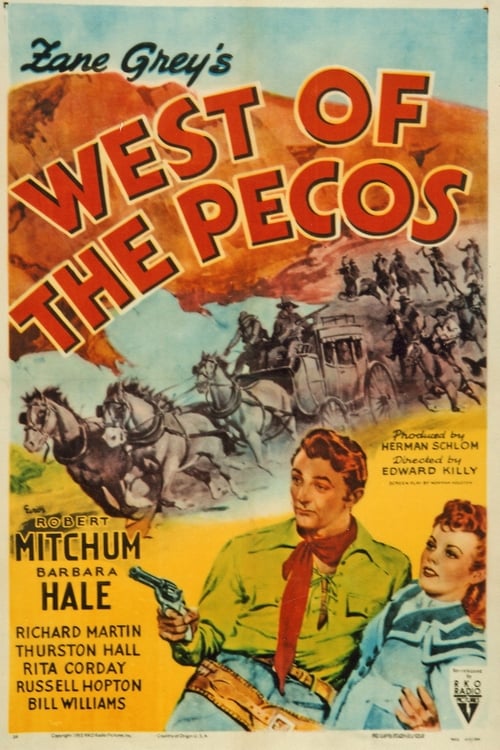
1945
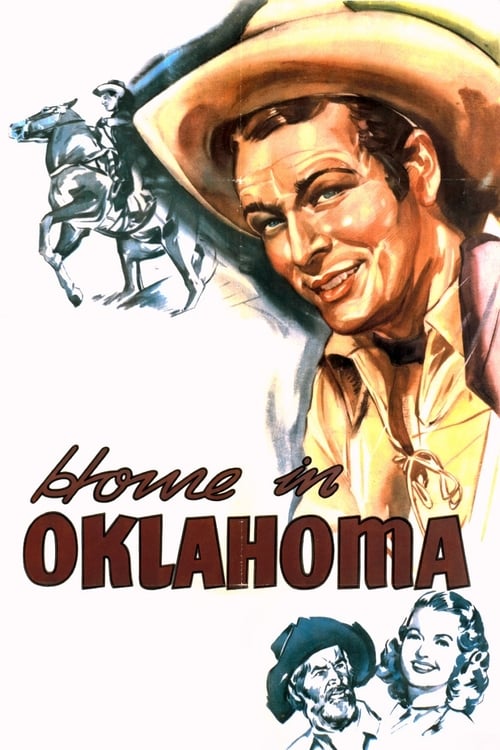
1946
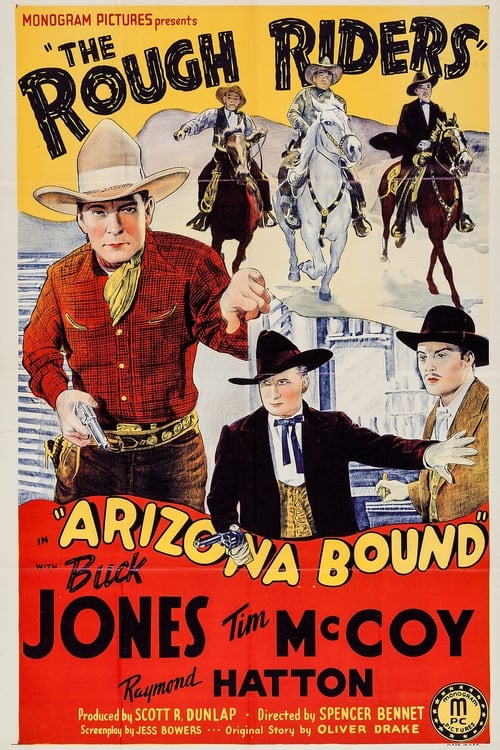
1941
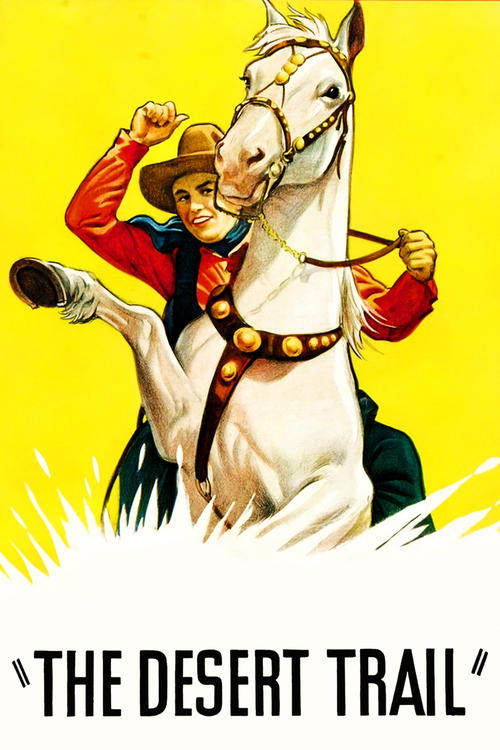
1935

1942
No reviews yet. Be the first to share your thoughts on this movie!
Use the rating form above to leave a star rating and optional review.