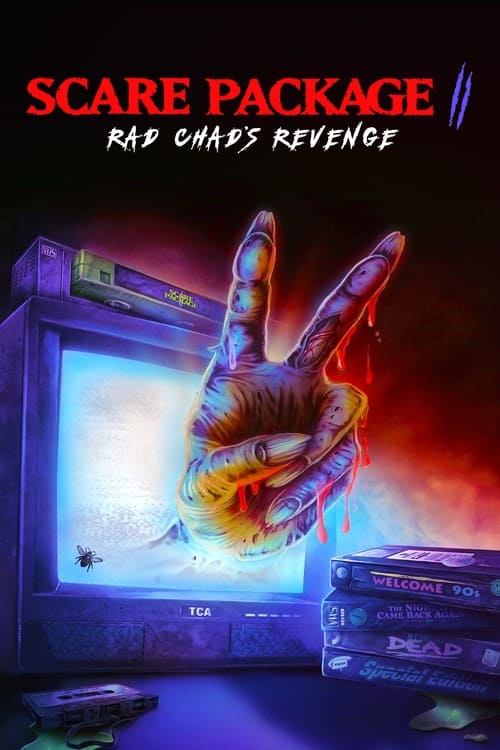
Scare Package II: Rad Chad’s Revenge
2022
No user ratings available yet
Representation score: 9.2 out of 10
Representation Score
Good
2026
RDirector
Matt Bettinelli-Olpin, Tyler Gillett
Runtime
108 minutes
Average Rating
No ratings yetNew Showbiz Analysis
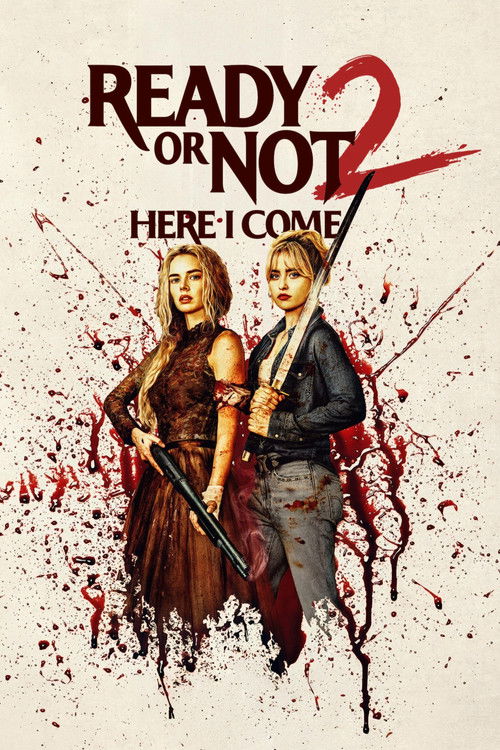
The sequel strengthens gender and racial representation by centering two sisters and diversifying the antagonist council. Grace and Faith are active protagonists, while Ursula and Titus share leadership, avoiding gendered sidelining. Asian, South Asian, and Latino family heads wield equal power, enriching the world’s elite dynamics. Culturally, the film’s satanic themes and depiction of murderous wealthy families challenge traditional moral hierarchies. This satire of elite corruption adds depth to its cultural critique. However, the absence of LGBTQ+ characters and disability representation weakens its inclusivity. The marriage loophole’s reliance on a heterosexual dynamic further narrows its scope. While the film excels in gender and racial diversity, these gaps prevent a more comprehensive representation of marginalized identities.
Category Breakdown
No openly LGBTQ+ characters appear in the film. The plot’s marriage loophole specifies a husband, reinforcing a heterosexual framework. This absence narrows the story’s inclusivity despite its otherwise subversive tone.
Grace and Faith drive the narrative, actively fighting to survive and protect each other. Ursula and Titus Danforth co-lead their family as twins, sharing authority without sidelining the woman. Female agency is central rather than decorative.
The Council includes Wan Chen Xing, Viraj Rajan, and Ignacio El Caido, signaling Asian, South Asian, and Latino representation. These characters hold equal narrative weight as primary antagonists. Their presence diversifies the elite power structure.
The film centers on a satanic cult and a pact with the devil, positioning traditional religious morality as absent or opposed. Wealthy families are portrayed as corrupt elites who treat human life as a game. This framing critiques entrenched power and hypocrisy.
No characters with physical or mental disabilities appear in the plot or cast. Violence is extreme, but disability is not represented beyond temporary injuries. This omission limits the film’s inclusivity.
Present on Screen
Limited or Absent
Official Synopsis
Moments after surviving an all-out attack from the Le Domas family, Grace discovers she’s reached the next level of the nightmarish game — and this time with her estranged sister Faith at her side. Grace has one chance to survive, keep her sister alive, and claim the High Seat of the Council that controls the world. Four rival families are hunting her for the throne, and whoever wins rules it all.
2022
2025

2018
2020

2021
2022
2022
2022
No reviews yet. Be the first to share your thoughts on this movie!
Use the rating form above to leave a star rating and optional review.