
Step Back to Glory
2013
No user ratings available yet
Representation score: 5.8 out of 10
Representation Score
Limited
2008
PGDirector
Tsui Siu-Ming
Runtime
118 minutes
Average Rating
No ratings yetNew Showbiz Analysis
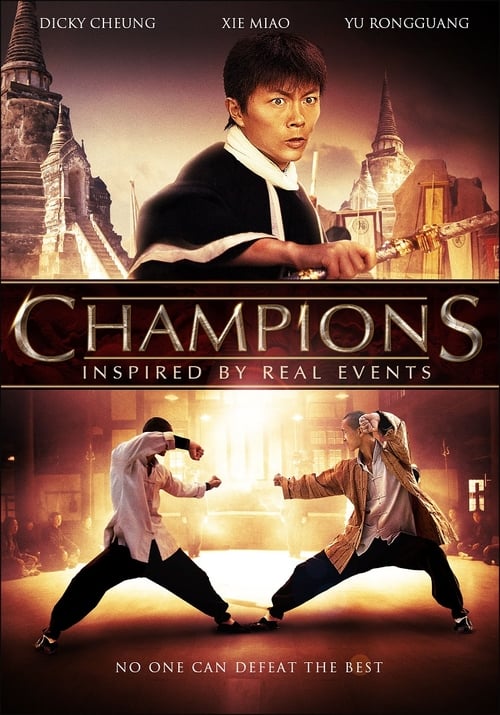
Champions is a period drama that emphasizes communal ability to act and the navigation of systemic gaps. It succeeds in portraying a non-Western collective overcoming institutional neglect through localized, grassroots efforts. The film's strength lies in its narrative structure, which shifts focus from a single hero to a group striving for autonomy. This disrupts traditional expectations of state-led success. However, the film lacks engagement with modern identity politics. It provides no representation for LGBTQ+ identities or characters with disabilities, focusing instead on historical athletic struggle.
Category Breakdown
The film does not include any LGBTQ+ characters or stories. The plot revolves around athletic competitions and community fundraising efforts.
The story highlights the collective effort through athletic demonstrations. Although specific gender hierarchies are not detailed, the focus on martial arts implies a possible emphasis on physical skills rather than traditional gender roles.
The film centers on a non-Western group within a historical Chinese setting. It challenges Eurocentric perspectives by showcasing a community navigating global structures through their own cultural practices.
The story explores themes of self-reliance and skepticism towards centralized authority. It emphasizes grassroots, community-driven social organization to achieve success despite inadequate state support.
There is no evidence of characters with physical or neurodivergent disabilities. The focus remains on the group's collective athletic struggle.
Present on Screen
Limited or Absent
Official Synopsis
Set in 1930s China, the film details the trials of a group of athletes who desire to compete in the Olympic Games. There’s a snag, however. The full amount required to send them abroad for the games is 600,000 dollars, and the government is only sponsoring half. It falls to the athletes to raise the rest themselves, and they start by saving every last penny they earn. They also attempt to raise the money through a variety of fund-raising activities, including street performances, networking for donations, and probably a bake sale, too. After deciding to fund their own way to the games, the athletes take to the streets to perform all manner of athletic demonstrations and martial arts moves in an energetic and impromptu street fair.
2013

2013
2023

2004

2005
1989

2000
1993
No reviews yet. Be the first to share your thoughts on this movie!
Use the rating form above to leave a star rating and optional review.