Killer's Moon
1978
No user ratings available yet
Representation score: 1.4 out of 10
Representation Score
Limited
1979
RDirector
Gregory Goodell
Runtime
85 minutes
Average Rating
No ratings yetNew Showbiz Analysis
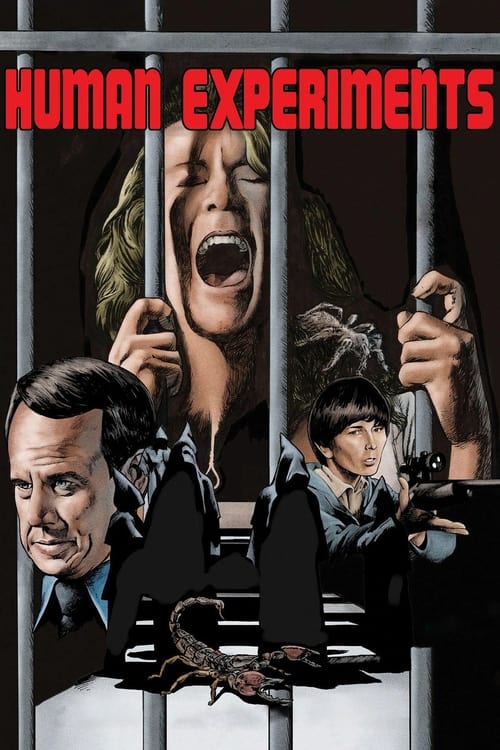
Human Experiments is a product of the late 1970s exploitation horror genre, prioritizing visceral thrills over character depth. The film relies heavily on established clichés, such as the authoritative male villain and the use of medical trauma to drive fear. While the film offers a critique of institutional ethics through its depiction of gruesome shock therapy, it does so within the confines of genre conventions. It lacks the intentionality needed to challenge social hierarchies or provide meaningful representation for marginalized groups. Ultimately, the film's focus on clinical cruelty and systemic violence results in a narrative that reinforces traditional power structures rather than challenging them.
Category Breakdown
The film does not include any LGBTQ+ characters or non-cisgender identities. Its clinical horror setting suggests a traditional narrative structure without any queer-coded subtext.
The story focuses on a demented male doctor, reinforcing traditional masculine archetypes of authority. There are no women in positions of intellectual or structural power.
The production follows the homogeneous casting patterns typical of 1970s exploitation cinema. There is no indication of diverse racial representation within the prison setting.
The narrative critiques the misuse of medical authority and institutional corruption. However, this serves genre conventions rather than a deliberate deconstruction of specific socio-political ideologies.
Mental health conditions and neurodivergence are used as tools for horror. Disability functions as a plot device to facilitate terror rather than being portrayed with dignity.
Present on Screen
Limited or Absent
Official Synopsis
A demented prison doctor performs gruesome shock therapy experiments on inmates.
1978
1935
1966

1960
1960

2011
1972
2015
No reviews yet. Be the first to share your thoughts on this movie!
Use the rating form above to leave a star rating and optional review.