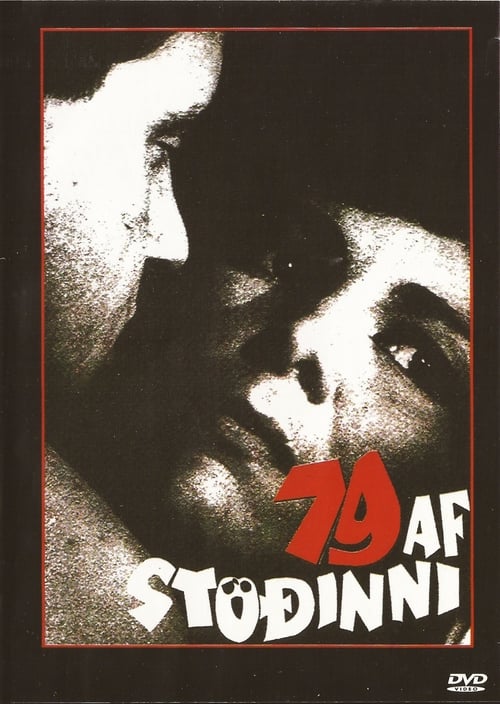
The Girl Gogo
1962
No user ratings available yet
Diversity score: 3.1 out of 10
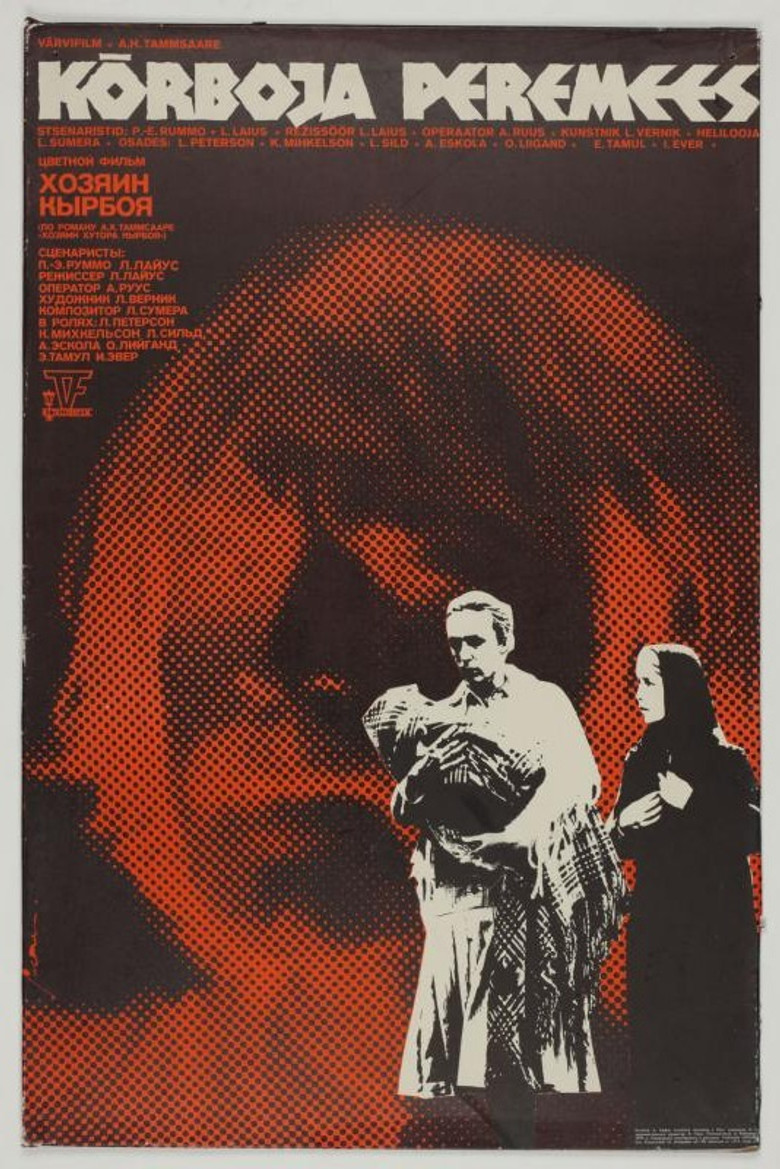
1980
Director
Leida Laius
Runtime
87 minutes
Average Rating
No ratings yetSynopsis
Anna, the daughter of an elderly owner of Kõrboja farm, is told by her father that if she won't move in their home farm then it will be sold to strangers. But the farm needs also a master, and Anna has been living in town for years. She comes back home and reunites with Villu, her friend from childhood.
Overall Score
Limited
Category Breakdown
LGBTQ+ Representation
The story centers on a traditional romantic reunion between Anna and Villu. There is no evidence of non-cisnormative identities or critiques of heteronormativity.
Gender Representation
Anna serves as a central protagonist navigating her father's ultimatum regarding the family farm. While she seeks to reclaim her space, the plot remains tied to traditional patriarchal hierarchies.
Racial & Ethnic Diversity
The film reflects the homogeneous demographic realities of 1980s Estonia. It focuses on local land ownership without demonstrating intentional racial blending or diverse casting.
Religious & Cultural Diversity
The narrative explores the tension between urban life and rural heritage. It emphasizes the sanctity of local institutions and the weight of familial duty to the land.
Disability Representation
The available information contains no mention of characters navigating physical, neurodivergent, or mental health conditions.
Strengths
Areas for Improvement
AI Analysis
The film functions as a traditional period drama focused on heritage and domestic agency. It prioritizes localized, humanistic storytelling over intersectional or diverse character dynamics. While the female protagonist provides a focal point for individual agency, the narrative structure relies heavily on conventional family hierarchies and romantic tropes. The cultural setting is highly specific to its era and region. Ultimately, the film's focus on preserving ancestral landscapes and traditional social realism results in a narrow, conventional representation of identity and social structures.
1962
2008

1953
1940

1998
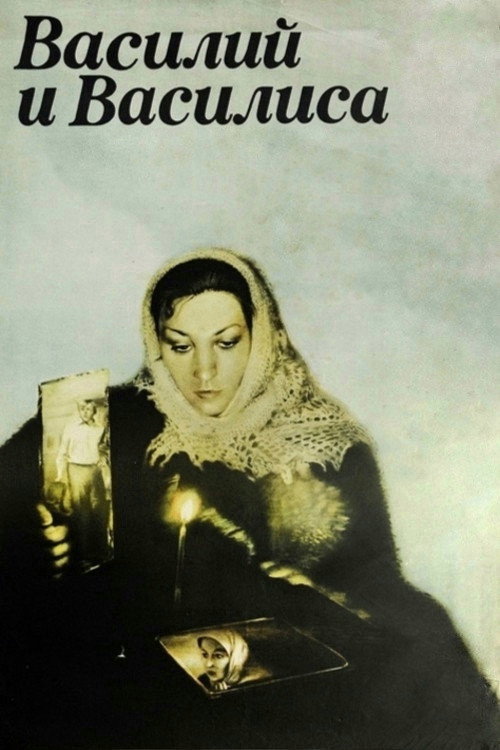
1981
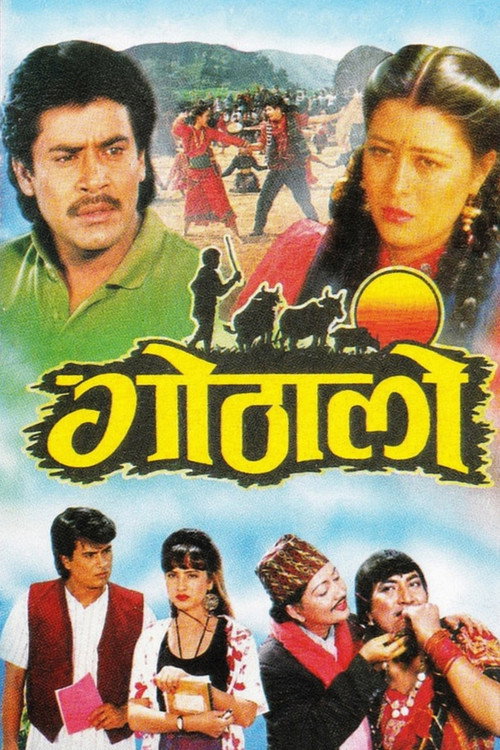
1996
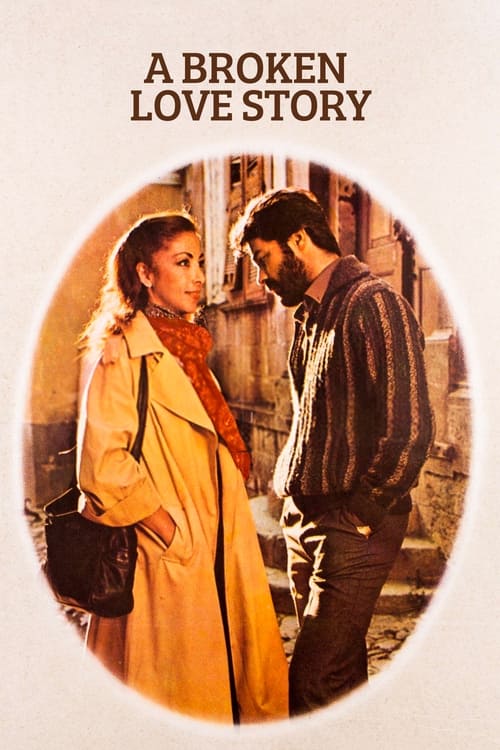
1982
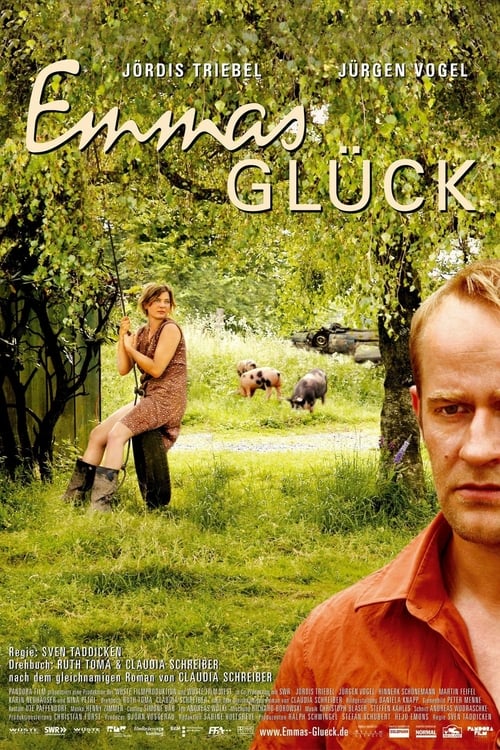
2006
1967

1971

1968
No reviews yet. Be the first to share your thoughts on this movie!
Use the rating form above to leave a star rating and optional review.