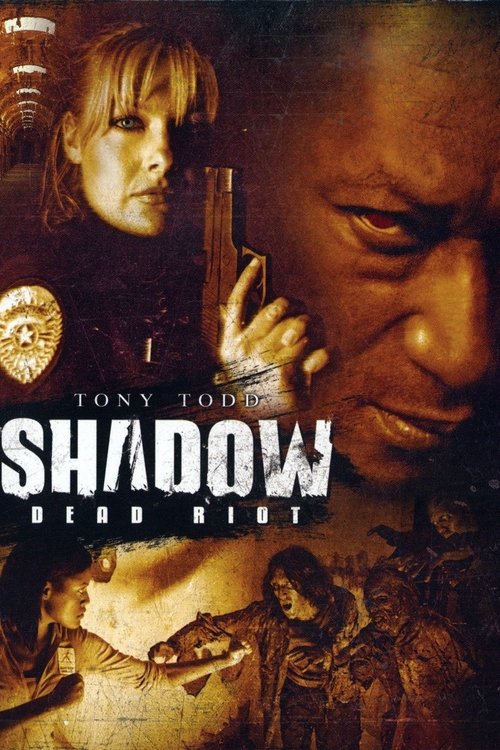
Shadow: Dead Riot
2006
No user ratings available yet
Representation score: 1.1 out of 10

Representation Score
Minimal
1997
RDirector
John Eyres
Runtime
98 minutes
Average Rating
No ratings yetNew Showbiz Analysis
Judge and Jury opens on the sterile geometry of a suburban street, a visual promise of order that the film immediately shatters to sell a vision of personal retribution. The sold meaning is clear: the legal system is a hollow bureaucracy, and the only valid response to its failure is the father’s direct, violent intervention. Martin Kove’s Michael Silvano is framed as the moral center, his anger justified by the camera’s lingering close-ups, while the authorities are reduced to distant, shadowy figures of incompetence. The film’s argument is that procedural due process is a cage, and the individual’s right to self-defense is the true justice. This framing creates a tension between the film’s stated concern for fairness and its actual endorsement of vigilante action. The legal system is not just flawed; it is depicted as the villain, its slowness a moral failing that demands physical correction. The ending reinforces this by rewarding the father’s violence without consequence, leaving the broken system to rot while the family unit is restored through blood. The camera loves the father’s decisiveness, treating his breaking of the law as a heroic act rather than a transgression. The film’s cultural stance is firmly traditional, upholding the nuclear family as the sacred unit that must be protected at all costs. The absence of racial or gender diversity is not a critique but a reflection of the film’s narrow focus on a specific, white, suburban experience. The moral verdict is unambiguous: when the system fails, the individual must act, and violence is the only language the broken world understands.
Category Breakdown
Absent. The narrative relies on a strictly heterosexual nuclear family structure where romantic and sexual dynamics are unremarkable and traditional. No queer characters, intimacy, or identity conflicts appear in the cast or plot.
Limited. Michael Silvano is the active moral agent who resolves the crisis through physical force, while Grace Silvano serves as the passive emotional anchor whose grief fuels his actions. Women are depicted as victims or supporters rather than competent problem-solvers, adhering to traditional domestic roles.
Absent. The cast and setting are overwhelmingly white, reflecting a homogeneous suburban American environment. There is no on-screen exploration of racial dynamics, power structures, or diversity beyond the unmarked whiteness of the primary characters.
Traditional. The film treats the nuclear family and suburban stability as the moral center that must be defended. It frames the legal system as a failed institution, rewarding the father’s vigilante violence as a necessary correction to procedural due process and upholding individual retribution over systemic order.
Absent. No characters are depicted with physical, mental, or sensory disabilities. The narrative focuses on physical violence and legal conflict without engaging with impairment, accessibility, or disability as a thematic or character element.
Present on Screen
Limited or Absent
Official Synopsis
An electrocuted killer returns from the dead to take revenge on the authorities who caught him.
2006

2000

2006
1996

1989
1986

2018
1994
No reviews yet. Be the first to share your thoughts on this movie!
Use the rating form above to leave a star rating and optional review.