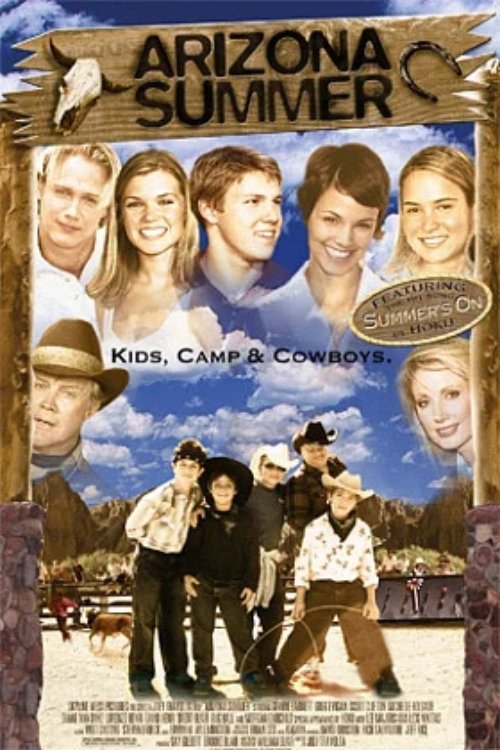
Arizona Summer
2004
No user ratings available yet
Representation score: 2.8 out of 10

Representation Score
Minimal
1989
Director
Kevin Sullivan
Runtime
103 minutes
Average Rating
No ratings yetNew Showbiz Analysis
Looking for Miracles is a period drama that emphasizes historical realism and established social structures. It focuses on the resilience of a family during economic hardship, highlighting interpersonal dynamics. However, the film lacks diverse representation and does not challenge traditional social norms. Instead, it upholds a conventional worldview by reinforcing historical gender, racial, and religious hierarchies.
Category Breakdown
The film does not include any LGBTQ+ characters or explore non-traditional gender identities.
The movie emphasizes traditional gender roles and hierarchies, focusing on male characters and parental figures without challenging these norms.
The story primarily features a white, rural Canadian community with little racial or ethnic diversity.
The film centers on religious faith and spiritual institutions, exploring the tension between mysticism and skepticism through traditional beliefs.
The plot does not feature characters with visible or invisible disabilities as central narrative drivers.
Present on Screen
Limited or Absent
Official Synopsis
Sixteen-year-old Ryan Delaney has won a scholarship, but it's not a full one, so he needs a summer job to pay for his university expenses. And although he's not eighteen, he can't swim, and has never been to camp, he manages to get a job as a camp couselor. But his mother makes him take his younger brother, Sullivan, with him to camp, since she can't look after him while she's working. But camp turns out to be harder than both Ryan and Sullivan thought it would be; and as they fight their battles, they learn about each other, themselves, and what they can do together.
2004
1986
1990

1995
2006

1991

1996
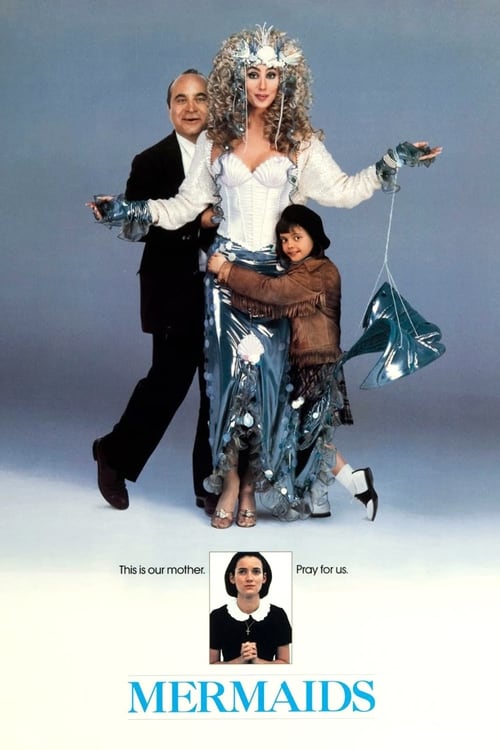
1990
No reviews yet. Be the first to share your thoughts on this movie!
Use the rating form above to leave a star rating and optional review.