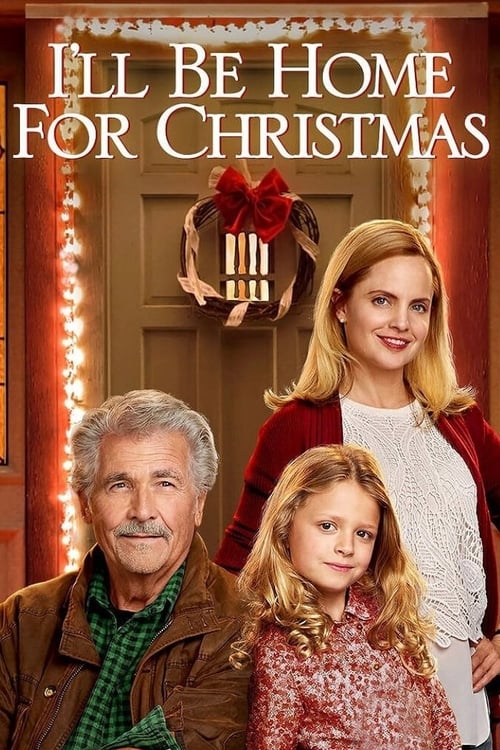
I'll Be Home for Christmas
2016
No user ratings available yet
Representation score: 1.0 out of 10

Representation Score
Minimal
1984
Director
Karola Hattop
Runtime
86 minutes
Average Rating
No ratings yetNew Showbiz Analysis
Tuition for Dad operates within the conventional framework of 1980s television, focusing heavily on restoring the nuclear family. While it offers a minor subversion of gender roles by placing the father in a domestic learning arc, the narrative remains deeply rooted in traditional social structures. The film lacks complexity in representing diverse racial, ethnic, or LGBTQ+ identities. It functions primarily as a domestic drama centered on Western family values. Ultimately, the work serves to reinforce established social hierarchies rather than challenge them, making it a product of its specific era and genre.
Category Breakdown
The story revolves around a traditional nuclear family with a mother and an absent father. There is no depiction of non-straight or non-cisgender identities, nor any critique of the assumption that everyone is straight or cisgender.
The film explores a shift in domestic dynamics by putting the father in a caregiving role, which disrupts the traditional provider archetype. However, this change might rely on comedic clichés.
The narrative focuses on a domestic family unit without mentioning any diverse ethnic backgrounds. There is no indication of a non-white or non-Anglo-Saxon majority cast.
Themes align with traditional Western values emphasizing the sanctity of the family unit. The plot prioritizes stabilizing the household over any secular or anti-Western sentiments.
The film does not include any characters with physical, neurodivergent, or mental health conditions.
Present on Screen
Limited or Absent
Official Synopsis
A tale of two youngsters who want to reunite their estranged parents. Because of her work commitments, Mum has to leave the children with their absent father for an extended vacation and so he has to learn how to be a proper Dad to them. Meanwhile, the kids do their best to bring the family back together.
2016

1989

1993

1983

2014

2016

1983

2017
No reviews yet. Be the first to share your thoughts on this movie!
Use the rating form above to leave a star rating and optional review.