
The Nutcracker
1994
No user ratings available yet
Representation score: 5.7 out of 10
Representation Score
Excellent
2005
Director
Nelson Shin
Runtime
93 minutes
Average Rating
No ratings yetNew Showbiz Analysis
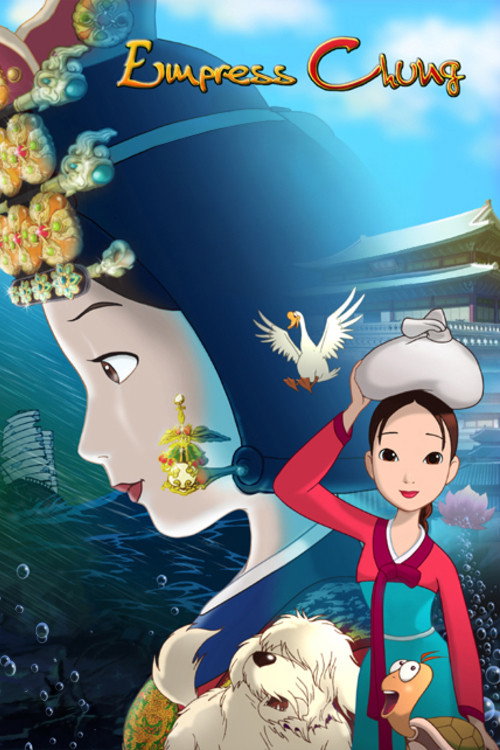
Empress Chung is a culturally significant animated film that elevates Korean folklore. By focusing on an East Asian myth, it challenges the dominance of Western narratives in the fantasy genre and provides important visibility for non-Western stories. The film also offers a nuanced portrayal of gender and disability. The female protagonist's active role shifts the traditional hero position, while the father's visual impairment significantly propels the plot. However, the film adheres closely to the traditional constraints of its source material. It lacks LGBTQ+ representation and follows the specific moral frameworks of the original folk tale.
Category Breakdown
The film centers on a traditional Korean folk tale emphasizing filial piety. There are no visible LGBTQ+ narratives or non-assuming gender matches what was assigned at birth identities in the main storyline.
Shim Cheong is a strong female character who actively drives the plot with her decisions, challenging traditional patriarchal roles.
This animated film highlights East Asian culture by adapting a fundamental Korean myth. It presents a non-Western perspective in the fantasy genre, emphasizing non-Anglo-Saxon traditions.
The story delves into themes of family duty and personal morality. It offers a unique non-Western cultural perspective, contrasting with typical Western fairy tales.
Visual impairment is central to the narrative, with the father's blindness being a key driver of the protagonist's journey and the film's emotional impact.
Present on Screen
Limited or Absent
Official Synopsis
Based on the famous Korean folk tale, a young princess makes a drastic decision in order to save her father's eyesight.
1994

1957
1949
1998
1997

1998
1994
1997
No reviews yet. Be the first to share your thoughts on this movie!
Use the rating form above to leave a star rating and optional review.