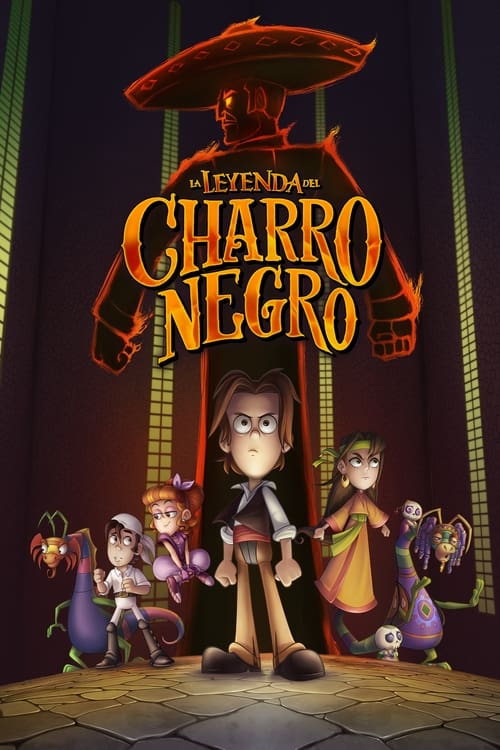
The Legend of the Black Charro
2018
No user ratings available yet
Representation score: 5.8 out of 10
Representation Score
Limited
2011
TV-GDirector
Alberto Rodríguez
Runtime
75 minutes
Average Rating
No ratings yetNew Showbiz Analysis
The film succeeds as a cultural preservation project by focusing on a non-Western mythos. By elevating Mexican folklore, it offers a platform for regional identities that move away from Western-centric frameworks. However, the narrative remains anchored to traditional archetypes. The reliance on the tragic maternal figure limits the film's ability to challenge conventional gender or social hierarchies. Ultimately, the work prioritizes atmospheric dread and the psychological weight of myth over addressing progressive social restructuring or challenging systemic power dynamics.
Category Breakdown
The film centers on the traditional story of the Weeping Woman and does not include narratives that challenge the assumption that everyone is straight or cisgender or feature non-assuming gender matches what was assigned at birth gender identities.
La Llorona serves as the central female character, but her story relies on a classic mythological cliché. Her motivations are tied to traditional domestic tragedy rather than subverting gender hierarchies.
The film centers a foundational Mexican legend, validating non-Anglo-Saxon mythologies and preserving a specific cultural identity through regional folklore.
The film preserves cultural traditions through themes of superstition and myth, but it does not explicitly address the deconstruction of Western institutions.
There is no depiction of physical or neurodivergent disabilities in the film's thematic overview.
Present on Screen
Limited or Absent
Official Synopsis
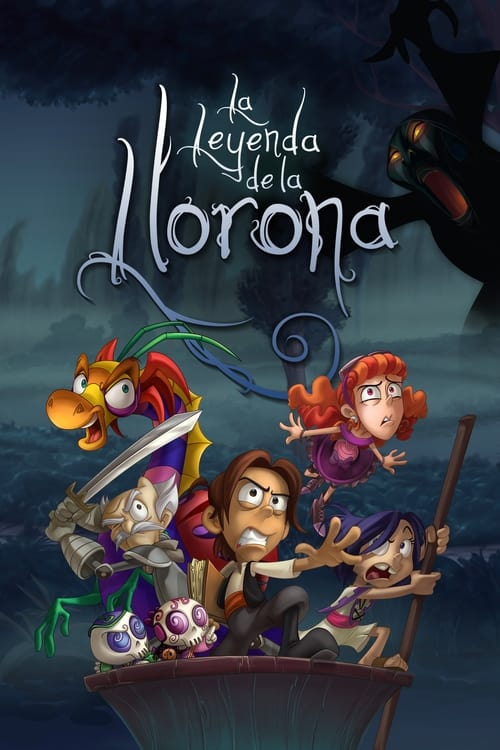
Based on a famous Mexican legend, a group of kids must stop the ghost of a woman whose guilt over the drowning of her own children leads her to abduct youngsters who wander the woods at night.
2018
2016
2014
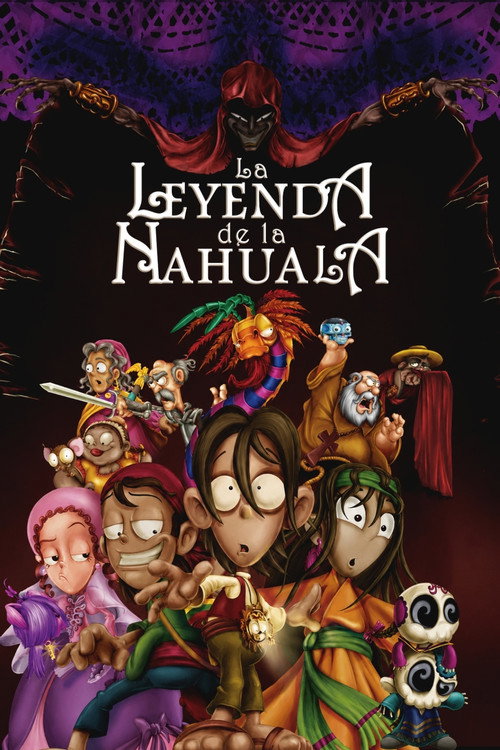
2007

2006

2016
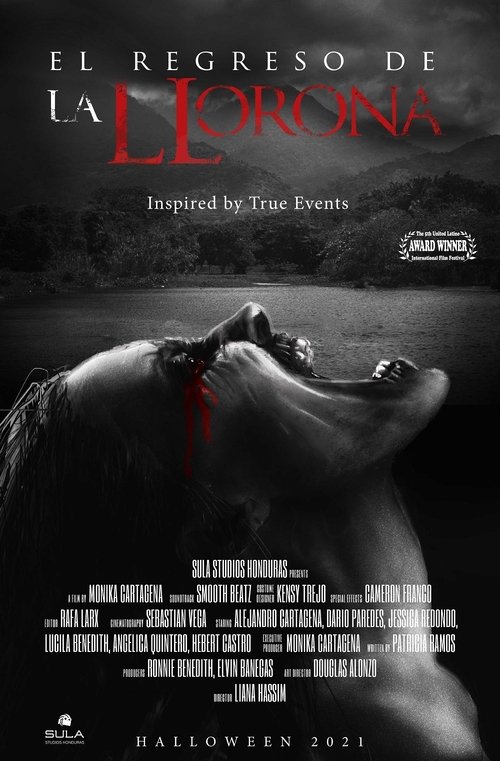
2021
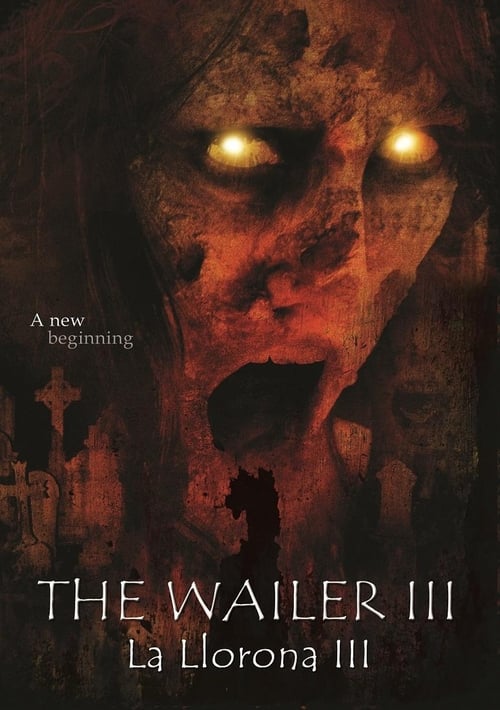
2012
No reviews yet. Be the first to share your thoughts on this movie!
Use the rating form above to leave a star rating and optional review.