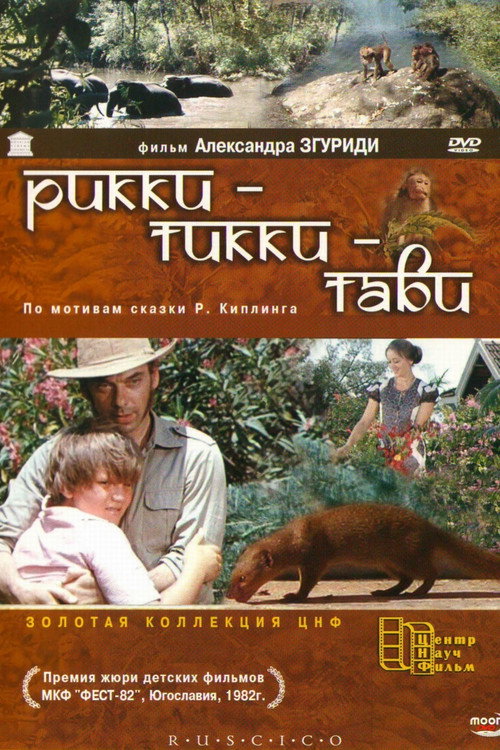
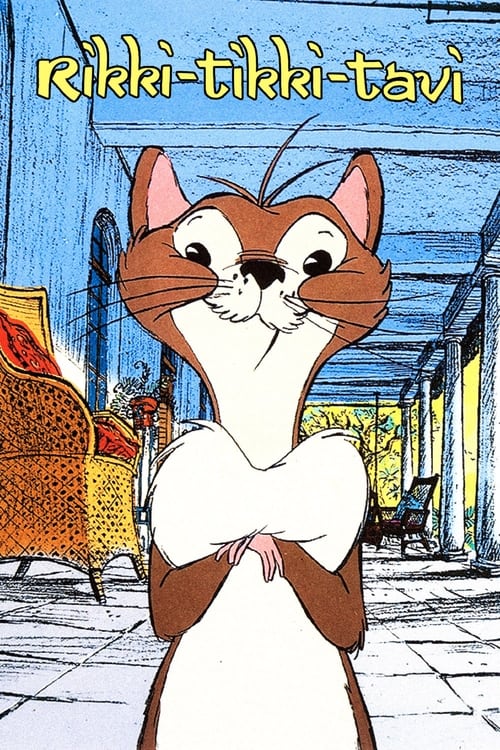
Rikki-Tikki-Tavi
1976
No user ratings available yet
Representation score: 1.4 out of 10
Representation Score
Minimal
1975
NRDirector
Chuck Jones
Runtime
24 minutes
Average Rating
No ratings yetNew Showbiz Analysis
Rikki-Tikki-Tavi is a traditionalist adaptation emphasizing classic adventure and the protector archetype. The narrative structure upholds the social hierarchies of the colonial period without challenging them. The film lacks depth in reflecting multiple aspects of identity and adheres to historical Western norms concerning family, territory, and social structure. Ultimately, the work serves as a period-specific tale that upholds the societal norms of its time.
Category Breakdown
The film centers on a predator-prey relationship and domestic protection. There are no representations of non-straight or non-cisgender identities or same-sex relationships.
The human characters adhere to typical mid-20th century Western family structures. Gender roles remain consistent with traditional domestic hierarchies without challenging stereotypes.
Set in colonial India, the story is told from a British expatriate perspective. The human characters represent a homogeneous Western demographic within a non-Western setting.
The narrative follows a traditional hero's journey focused on protecting the domestic sphere. It employs binary morality and Western storytelling formulas rather than questioning existing institutions.
There are no central plot points involving characters with visible or invisible disabilities. Physical challenges are confined to the natural survival of the animal characters.
Present on Screen
Limited or Absent
Official Synopsis
Rikki is a young mongoose who is adopted by a human family after nearly drowning in the river. He returns the favour by protecting them from two murderous cobra.
1976

1957
1990
1978
1944
1998
1973
1984
No reviews yet. Be the first to share your thoughts on this movie!
Use the rating form above to leave a star rating and optional review.