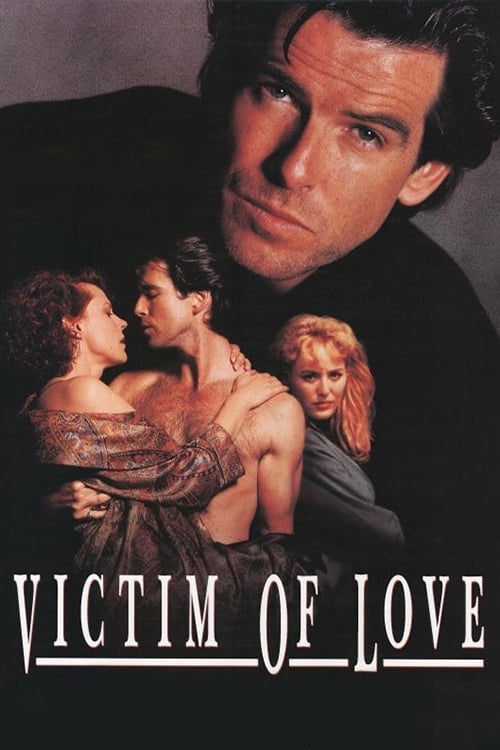
Victim of Love
1991
No user ratings available yet
Representation score: 2.7 out of 10

Representation Score
Limited
1991
PG-13Director
Brian Grant
Runtime
84 minutes
Average Rating
No ratings yetNew Showbiz Analysis
Love Kills is a conventional 1991 thriller that emphasizes suspense and interpersonal drama over social commentary. While it features a female lead, the plot remains anchored in traditional gendered clichés and heterosexual relationship structures. The film adheres to the demographic norms of its era, focusing on a glamorous, likely homogeneous world. It lacks the intentionality needed to disrupt social hierarchies or provide perspectives that reflect multiple aspects of identity. Ultimately, the work functions as a standard genre piece, prioritizing psychological tension and individual conflict rather than exploring diverse identities or systemic issues.
Category Breakdown
The film centers on a heterosexual conflict involving infidelity. There are no queer narratives or non-cisgender identities present.
Rebecca offers a central female perspective and demonstrates ability to act. However, she remains largely influenced by male-driven conflicts and traditional gendered clichés.
The setting suggests a homogeneous environment typical of 1990s television. There is no significant racial diversity or diverse casting.
The story operates within traditional Western social structures such as marriage and professional status. It lacks any critique of systemic or socio-political institutions.
The narrative does not include neurodivergence or physical disabilities. Mental health conditions are not used as central character drivers.
Present on Screen
Limited or Absent
Official Synopsis
Glamorous fashion photographer Rebecca is getting even. Angered by her husband's infidelity, she takes a lover - a mysterious hunk she fist met during a photo shoot. He's exciting. He's handsome. And, after a night of lovemaking, he confesses he's a hit man hired by her husband to kill her. The stranger also says he's had a change of heart and wants to be Rebecca's protector. But Rebecca's husband, a renowned psychologist, insists the man is a former patient with a hidden, twisted agenda. Both men can't be right. Both could be lying. As the circle of suspense closes in on her, one thing is clear to Rebecca. Any choice she makes could be more than wrong...it could be fatal.
1991
1971
2001
1994
2005
1994
1999
1990
No reviews yet. Be the first to share your thoughts on this movie!
Use the rating form above to leave a star rating and optional review.