
Botticelli, Florence and the Medici
2021
No user ratings available yet
Representation score: 1.1 out of 10

Representation Score
Limited
2017
Director
Luca Viotto
Runtime
83 minutes
Average Rating
No ratings yetNew Showbiz Analysis
Raphael: The Lord of the Arts is a traditional historical documentary that prioritizes educational preservation over contemporary social commentary. The film adheres strictly to the biographical realities of the 15th-century Italian Renaissance, which naturally limits the scope of modern identity representation. The narrative structure celebrates the technical mastery of a singular figure. Because it seeks historical accuracy, it reflects the era's inherent social hierarchies and demographic homogeneity rather than attempting to challenge them. Ultimately, the film serves as a window into Western art history. It does not utilize progressive frameworks to deconstruct historical norms, opting instead for a celebratory look at Renaissance mastery.
Category Breakdown
The film follows a standard biographical approach to Raphael's life. It does not explicitly depict non-straight identities or challenge Renaissance social structures.
The narrative centers on the male-dominated art world of the 15th century. While women appear as subjects in Raphael's paintings, their roles are secondary to the male artist's.
The documentary focuses on a specific Western historical context. It reflects the homogeneous demographic of the Italian Renaissance without incorporating non-Western perspectives.
This work celebrates traditional Western cultural heritage and classical ideals. It explores Renaissance achievements without critiquing Western institutions.
There is no focus on neurodivergence or physical disabilities. These elements are not central to the documentary's narrative.
Present on Screen
Limited or Absent
Official Synopsis
Raphael: The Lord of the Arts is a documentary about the 15th century Italian Renaissance painter Raphael Sanzio.
2021
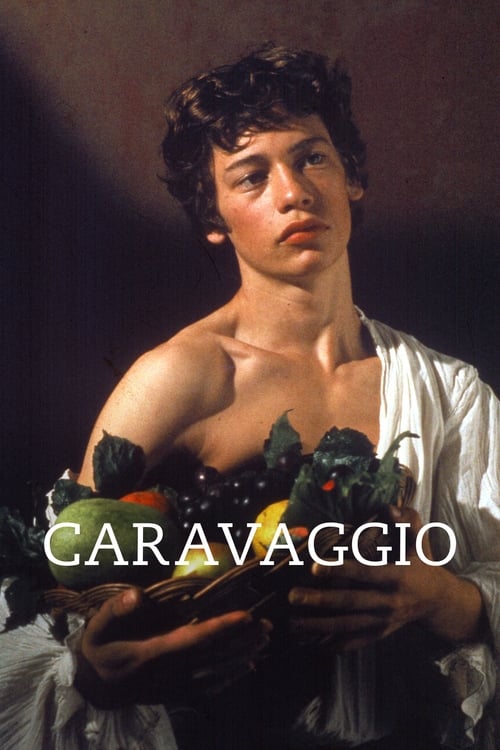
1986
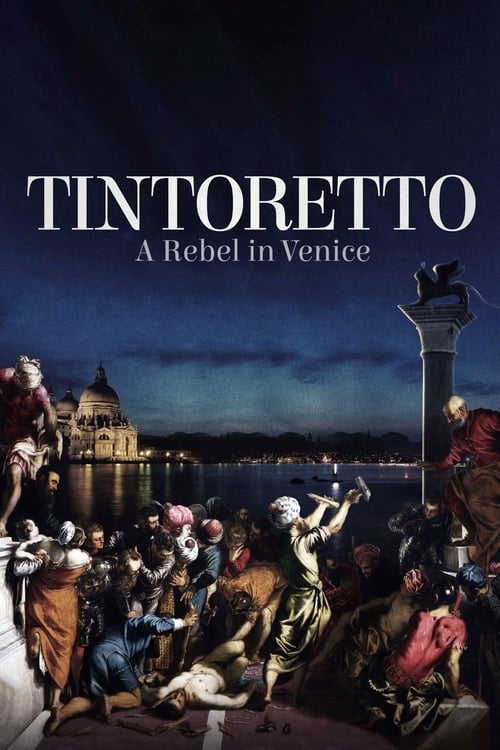
2019
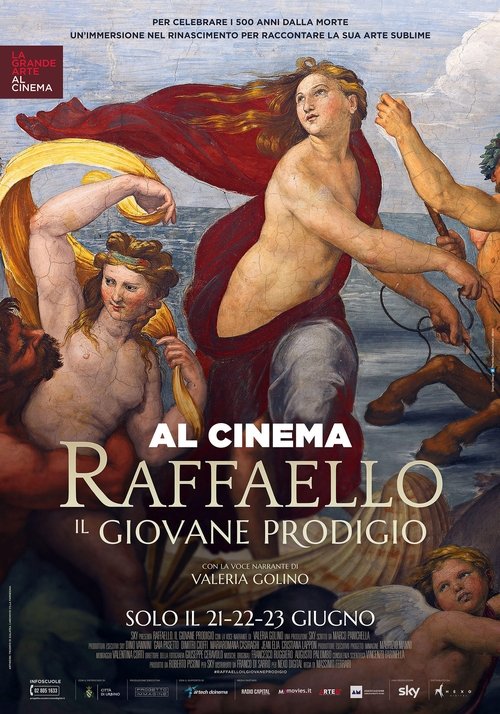
2021
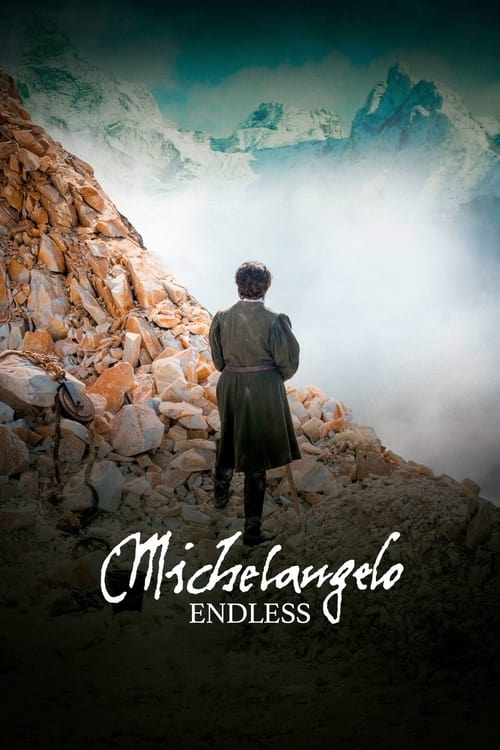
2018

2015
2021
2016
No reviews yet. Be the first to share your thoughts on this movie!
Use the rating form above to leave a star rating and optional review.