
Obscene House
1969
No user ratings available yet
Representation score: 5.3 out of 10
Representation Score
Minimal
1969
Director
Joseph P. Mawra
Runtime
60 minutes
Average Rating
No ratings yetNew Showbiz Analysis
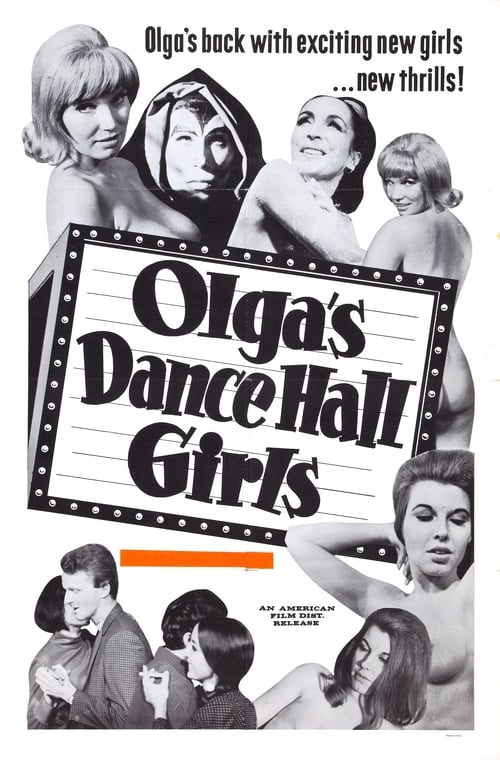
Olga's Dance Hall Girls adheres strictly to the exploitative traditions of 1960s grindhouse cinema. The narrative relies on established clichés of victimization and gendered objectification rather than challenging social hierarchies. The film lacks intentionality regarding representation that reflects multiple aspects of identity. Instead of providing meaningful character depth, it centers on a homogeneous social framework that reinforces predatory patriarchal structures and racial homogeneity. Ultimately, the work reflects the limited social scope of its era and genre, prioritizing surreal, tacky entertainment over progressive storytelling or diverse identity-based ability to act.
Category Breakdown
The film focuses on themes of coerced prostitution and exploitation. There is no evidence of queer identity or non-conforming gender expression in the narrative.
Female characters primarily serve as objects of the gaze or victims of a predatory male hierarchy. Olga, though powerful, appears bored and inactive.
The cast appears racially homogeneous, with no evidence of diverse casting or racial blending within the film's social framework.
The setting uses a tacky, surreal grindhouse aesthetic without critiquing institutions. It lacks any evidence of secularism or progressive empowerment through cultural deconstruction.
There is no discernible evidence regarding the inclusion or portrayal of characters with physical or neurodivergent disabilities.
Present on Screen
Limited or Absent
Official Synopsis
This last gasp of the grindhouse "Olga" series is a tossed off shrug of a movie that nonetheless entertains in a tacky, surreal style. Audrey Campbell no longer stars as the sinister femme fatale Olga, and her replacement retains none of her clumsy menace. Instead she languidly lounges about the flimsy sets smoking cigarettes and looking pale and sweaty. This new Olga is apparently too bored by the proceedings to even torture her white slaves. Instead the dirty work is handled by her partner Nick (Larry Hunter), a slimy, weasel faced man who lures innocent housewives into prostitution by offering them jobs as "dance instructors" in Olga's dance hall. Group sex, nude dancing and pretty ladies wrestling in their underwear are the results, along with several long, seemingly impromptu scenes where the characters talk endlessly and in circles.
1969
1977
1972

1974
1967
1965
1963
1972
No reviews yet. Be the first to share your thoughts on this movie!
Use the rating form above to leave a star rating and optional review.