Rona, Azim's Mother
2018
No user ratings available yet
Representation score: 3.7 out of 10
Representation Score
Limited
2006
Director
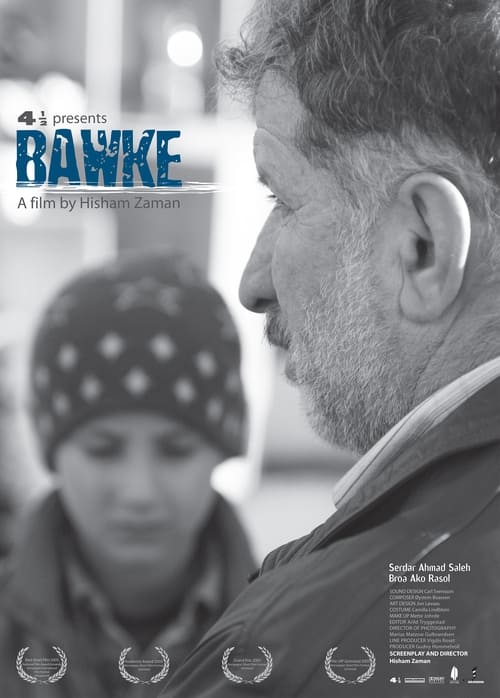
Hisham Zaman
Runtime
15 minutes
Average Rating
No ratings yetNew Showbiz Analysis
Hisham Zaman’s *Bawke* is a poignant exploration of displacement that finds its greatest strength in its ethnic authenticity. By centering the Kurdish refugee experience, the film provides a necessary shift away from Western-centric storytelling, offering a nuanced look at the struggles of the Global South. However, the film remains tied to traditional social structures. The gender dynamics are strictly patriarchal, focusing on the male's role as the sole agent of survival without challenging or breaking down these roles. This limits the film's scope regarding gender diversity. Ultimately, the work succeeds as a humanistic critique of the structural forces that drive poverty and migration. It prioritizes a deep, specific look at the intersection of ethnicity and socioeconomic hardship over broad social representation.
Category Breakdown
The film does not include any LGBTQ+ characters or explore non-straight relationships. The story focuses solely on the biological and patriarchal bond between a father and his son.
The narrative follows a traditional patriarchal structure, emphasizing the male figure as the main provider. It does not challenge or break down traditional gender roles or masculinity.
The film offers strong representation for Kurdish and Middle Eastern identities. By highlighting the experiences of refugees, it gives prominence to characters from the Global South and avoids a Western-centric viewpoint.
The story uses a post-colonial lens to critique the economic conditions causing displacement. It delves into complex ethical situations and the systemic issues affecting the Global South.
There is no significant depiction of visible or invisible disabilities in the film.
Present on Screen
Limited or Absent
Official Synopsis
Two Kurdish refugees from Iraq, a father and his son are on the run. With hope for a better life for his son, the father is forced to make a challenging sacrifice to provide for him.
2018

2000

2002
2004

2014

2020
2024
2020
No reviews yet. Be the first to share your thoughts on this movie!
Use the rating form above to leave a star rating and optional review.