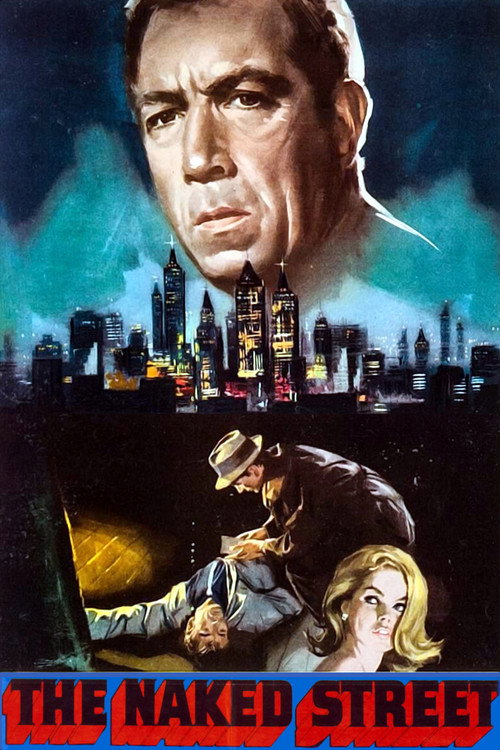
The Naked Street
1955
No user ratings available yet
Diversity score: 2.1 out of 10
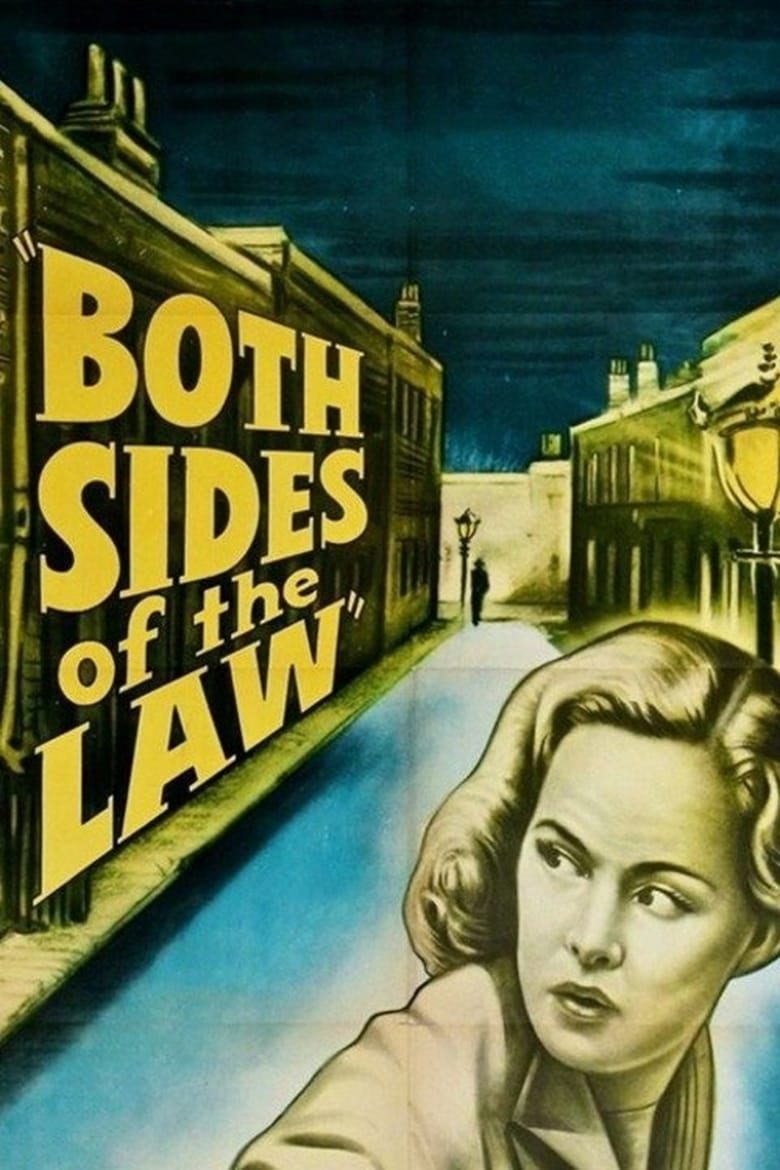
1953
ApprovedDirector
Muriel Box
Runtime
94 minutes
Average Rating
No ratings yetSynopsis
A pseudo-documentary focusing on the daily work and routine of women police officers built around three different storylines.
Overall Score
Fair
Category Breakdown
LGBTQ+ Representation
The film lacks explicit evidence of LGBTQ+ characters or non-heteronormative identities. The focus remains on social realism and female professional life within the era's cinematic constraints.
Gender Representation
The narrative disrupts mid-century expectations by centering on women in positions of institutional authority. Portraying female officers as competent professionals subverts traditional domestic tropes.
Racial & Ethnic Diversity
The film likely reflects the demographic homogeneity of 1953 Britain. There is no evidence of a diverse cast or non-white characters in high-agency roles.
Religious & Cultural Diversity
The pseudo-documentary format highlights the granular realities of female officers and social order. However, it lacks a systemic critique of Western institutions.
Disability Representation
There is no information regarding the inclusion of characters with visible or invisible disabilities.
Strengths
Areas for Improvement
AI Analysis
Street Corner stands as a significant historical artifact for its gender-focused narrative. By centering the daily routines of women police officers, the film provides a meaningful disruption of the era's standard gender hierarchies. It replaces domestic tropes with professional agency. However, the film's intersectional breadth is limited by the systemic constraints of 1953. The lack of racial and LGBTQ+ visibility prevents a higher score, as the production reflects the demographic homogeneity of the period. Ultimately, while the film excels in portraying female competence within a masculine institution, it remains a product of its time regarding broader social diversity.
No reviews yet. Be the first to share your thoughts on this movie!
Use the rating form above to leave a star rating and optional review.