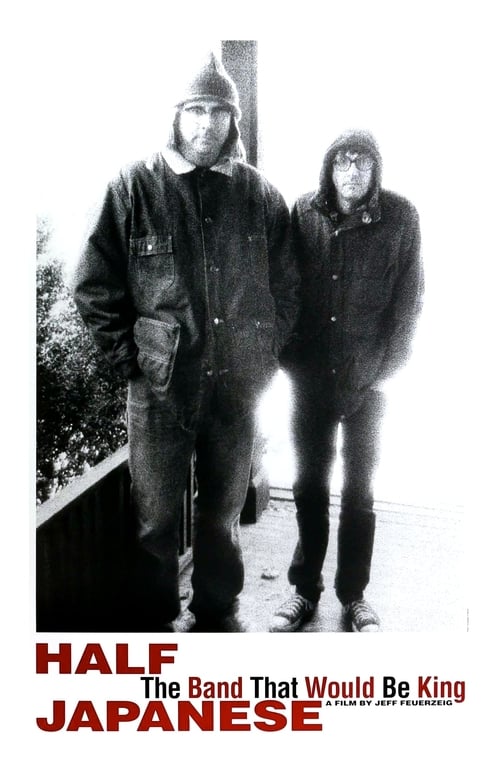
Half Japanese: The Band That Would Be King
1993
No user ratings available yet
Representation score: 4.9 out of 10

Representation Score
Good
2002
Not RatedDirector
Michael W. Dean
Runtime
55 minutes
Average Rating
No ratings yetNew Showbiz Analysis
D.I.Y. or Die serves as a cinematic testament to the disruption of conventional cultural hierarchies. Its strength lies in a progressive ideological framework that deconstructs capitalist and institutional art world structures. While the film lacks high-density visible representation regarding race and gender, it replaces centralized authority with a model of radical autonomy. It favors the underrepresented creator over the mainstream institution. The documentary functions more as a systemic critique than a study of demographic variety, positioning non-conformity as a tool for creative liberation.
Category Breakdown
The film captures underground subcultures that traditionally offer sanctuary for non-straight and non-cisgender identities. Although there isn't a central LGBTQ+ character, the punk and avant-garde settings challenge traditional social norms.
The documentary challenges patriarchal gatekeeping by highlighting DIY methodologies. Figures like Lydia Lunch provide a strong counter-narrative to traditional femininity, showcasing intellectual independence and self-determination.
The film focuses heavily on a specific Western underground subculture. The featured artists tend to be from a homogeneous demographic typical of the early 2000s punk scene, lacking diverse racial representation.
The narrative excels by criticizing established Western institutions and corporate dominance. It promotes an anti-capitalist ethos that prioritizes personal truth and individual empowerment over institutional validation.
Disability is not a primary narrative driver, yet the DIY ethos aligns with neurodivergent ways of living. The film celebrates the 'outsider' status, validating those outside neurotypical norms.
Present on Screen
Limited or Absent
Official Synopsis
This documentary features interviews with Ian MacKaye (Fugazi), J Mascis (Dinosaur jr.), John John Jesse (Demonic Erotic painter), Jim Rose (Jim Rose Sideshow), Jim Thirwell (Foetus), Lydia Lunch, Mike Watt (Minutemen), Richard Kern (Filmmaker), Ron Ashet
1993
1981
2005
2021

2008
1995
2008

2019
No reviews yet. Be the first to share your thoughts on this movie!
Use the rating form above to leave a star rating and optional review.