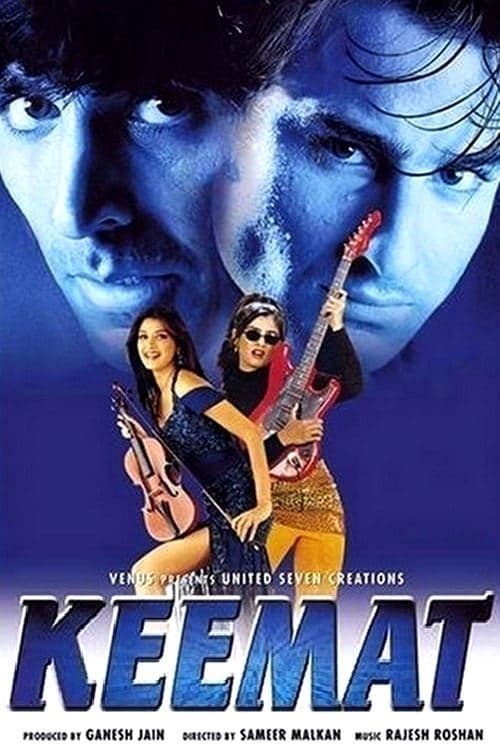
Keemat
1998
No user ratings available yet
Diversity score: 2.9 out of 10
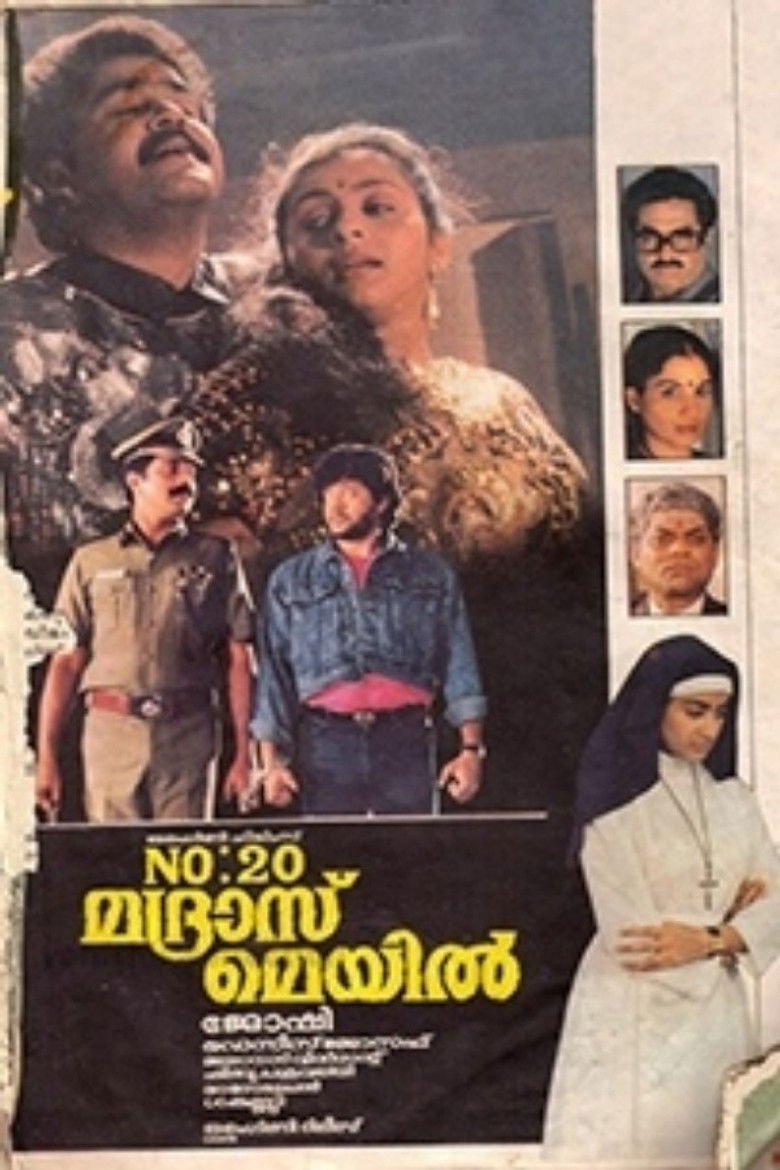
1990
Director
Joshiy
Runtime
177 minutes
Average Rating
No ratings yetSynopsis
Enroute Madras via train, when three friends get falsely accused of a mysterious homicide, they escape and desperately search for the real killer.
Overall Score
Limited
Category Breakdown
LGBTQ+ Representation
The film adheres to the conventional social structures of 1990s commercial cinema. There are no non-cisnormative identities or narratives that challenge heteronormativity within the plot.
Gender Representation
The narrative is driven by a male protagonist, placing agency firmly in masculine hands. Female characters occupy peripheral or supportive roles, reinforcing traditional gender hierarchies.
Racial & Ethnic Diversity
The cast is culturally homogeneous, primarily featuring Malayali actors. This provides regional authenticity to the Kerala setting without engaging in whitewashing or intersectional diversity.
Religious & Cultural Diversity
Themes focus on justice, revenge, and family protection. The plot reinforces social and familial stability rather than deconstructing traditional religious or institutional norms.
Disability Representation
There is no evidence of characters with visible or invisible disabilities. The film does not integrate neurodivergence or physical disability into its character development.
Strengths
Areas for Improvement
AI Analysis
No. 20 Madras Mail is a quintessential 1990s action-comedy that prioritizes regional authenticity over progressive representation. While it succeeds in providing a culturally specific experience for its target demographic, it operates strictly within the social hierarchies of its era. The film lacks any meaningful engagement with LGBTQ+ identities or disability representation. Its narrative structure is built around traditional masculine agency and familial values, which limits its intersectional depth. Ultimately, the film serves as a snapshot of regional commercial cinema, offering high cultural specificity but low diversity in terms of gender, sexuality, and social subversion.
1998
1994
2019

1998
2012
2018

2014

2011
1999
1997

2015
2016
No reviews yet. Be the first to share your thoughts on this movie!
Use the rating form above to leave a star rating and optional review.