
Tu Chor Main Sipahi
1996
No user ratings available yet
Representation score: 1.3 out of 10
Representation Score
Limited
1997
Director
Dayal Nihalani
Runtime
155 minutes
Average Rating
No ratings yetNew Showbiz Analysis
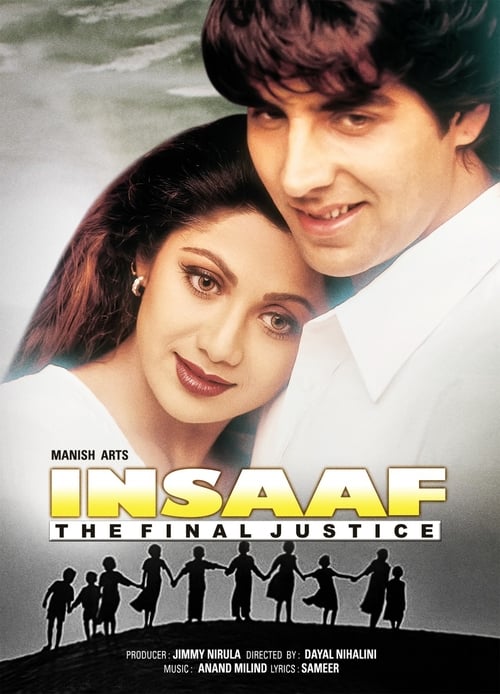
Insaaf: The Final Justice follows a conventional action-cinema framework, focusing on a classic 'law versus corruption' struggle. The narrative is driven by a singular male hero, Vikram, whose pursuit of justice against political entities reinforces traditional masculine leadership models. The film primarily functions as a genre piece that prioritizes standard heroism clichés. It lacks the complexity or disruption of social hierarchies needed to go beyond a baseline representation of its era. While the production is grounded in the Indian cinematic landscape, the focus remains on individual morality rather than a deeper exploration of diverse cultural or systemic identities.
Category Breakdown
The film does not include any characters with non-traditional gender identities or narratives that question the assumption that everyone is straight. It seems to follow traditional social norms typical of its time.
The story revolves around a male protagonist who holds a position of institutional power. There is no evidence of women taking a leading role or challenging traditional gender roles.
While the film includes a non-Western cast reflecting Indian cinema, it does not provide detailed information about diverse ethnic subgroups or multi-layered depth.
The narrative examines institutional corruption through the lens of individual morality. It emphasizes justice within existing structures without critiquing broader cultural institutions.
The film does not feature any characters with physical or neurodivergent disabilities.
Present on Screen
Limited or Absent
Official Synopsis
Vikram is a honest police inspector on the trail of Chimanbhai, little knowing that people behind the crimes are none other than politicians who will do anything to protect the criminals.
1996
1999
1994

2012

2012
2007
2010
2011
No reviews yet. Be the first to share your thoughts on this movie!
Use the rating form above to leave a star rating and optional review.